

Homes change along with the people living in them. A layout that once felt comfortable may begin to feel tight as routines shift. Extra workspace, storage, or another bedroom can make daily life much easier.
Instead of relocating, many people look for home addition ideas that expand the space they already enjoy. A thoughtful upgrade can improve comfort, increase property value, and support changing needs.
Some projects are small extensions, while others create entirely new living areas. This blog shares practical ideas to help people create more space without leaving their current neighborhood.
Why Home Additions are a Smart Investment
A growing family, remote work, or changing routines often require more living space. Moving to another house can be expensive and stressful. Because of this, many people research before considering relocation.
Expanding the current property offers several advantages.
- More space for daily activities
- Improved home layout
- Higher property value
- Better comfort for long-term living
Many well-planned home addition ideas blend naturally with the existing structure, making the new space feel like part of the original design. A good addition also improves how rooms connect, allowing the home to function more efficiently.
Types of Home Additions You Should Know About
Understanding the common extension styles helps narrow down suitable home addition ideas for a property.
| Addition Type | What It Is | Common Uses | Why Choose It |
|---|---|---|---|
| Bump-Out Additions | Small expansion of an existing room | Kitchens, bathrooms, dining areas | Adds space without major structural changes |
| Full Room Additions | A completely new room was added to the home | Bedrooms, offices, family rooms | Increases living space significantly |
| Second-Story Additions | Adds a new level above the existing home | Extra bedrooms, offices, and living areas | Ideal when yard space is limited |
| Detached Additions | A separate structure built outside the main house | Guest suites, studios, offices | Offers flexibility and keeps the main house less crowded |
Home Addition Ideas to Expand Your Living Space
The following ideas provide practical ways to create more living space while improving comfort and organization.
1. Family Room Addition
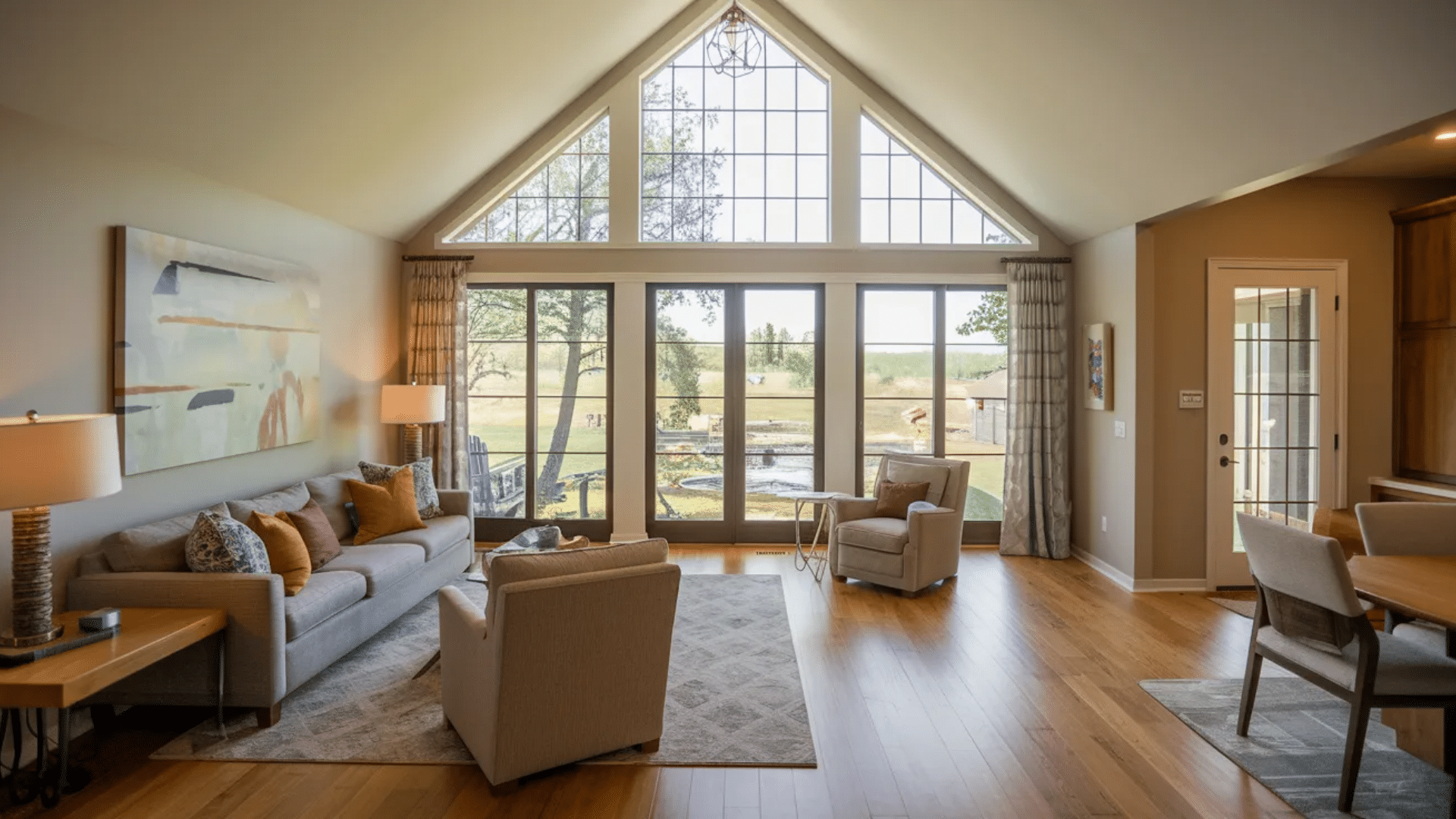
A family room extension creates a larger gathering area for everyday activities. Many homes have living rooms that feel crowded during social events.
Expanding this space enables comfortable seating, entertainment systems, and flexible layouts. Among practical home addition ideas, this option works well because it supports daily routines without requiring major structural changes.
A family room addition often connects to the kitchen or dining area, helping the home feel more open and connected.
2. Sunroom Addition

Natural light can change how a room feels. A sunroom introduces brightness and outdoor views while still providing indoor comfort.
This idea usually includes large windows and open layouts that encourage relaxation. People often use sunrooms for reading, morning coffee, or quiet breaks during the day.
3. Kitchen Extension
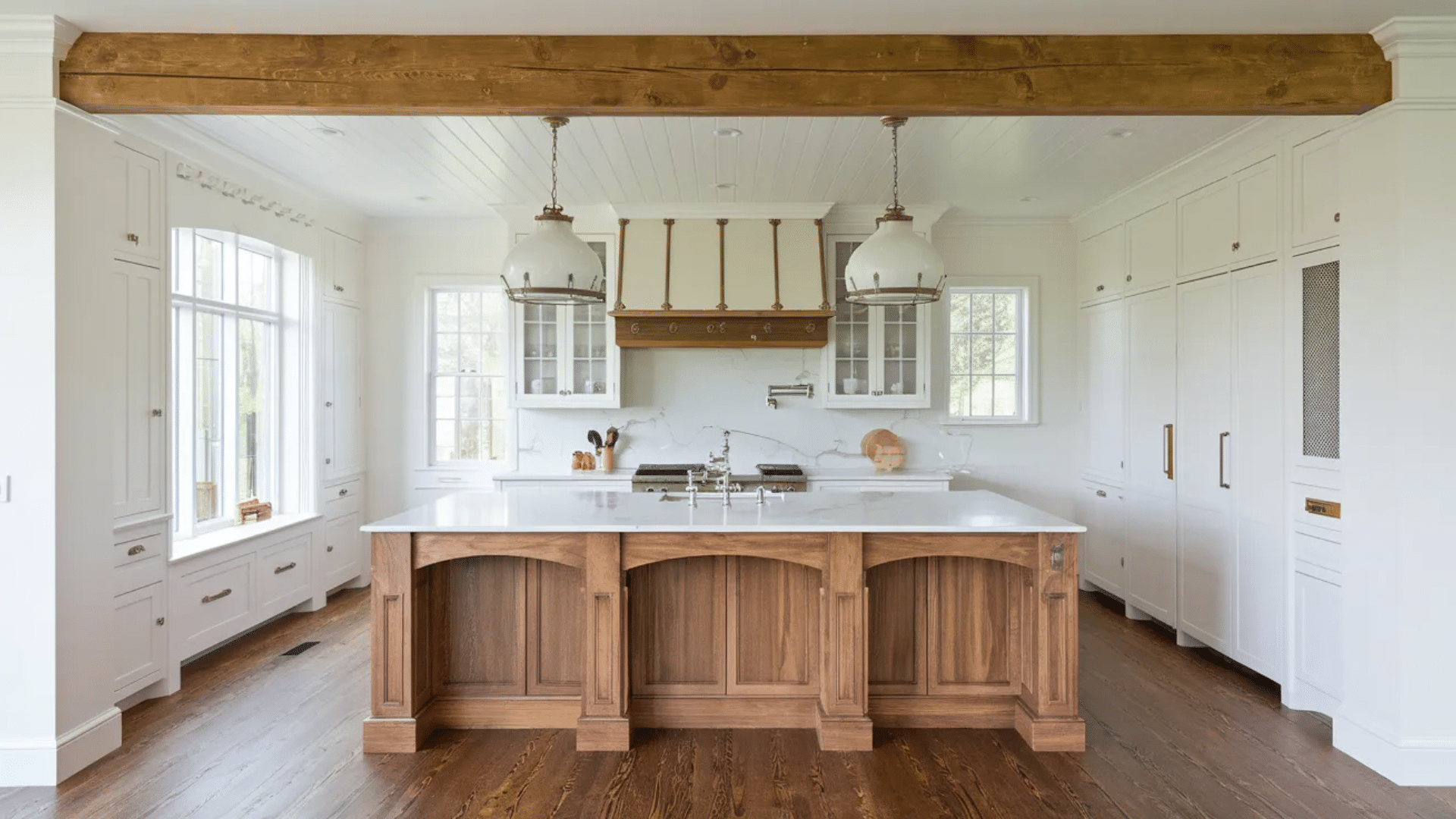
The kitchen often becomes the center of household activity. When cooking areas feel cramped, expanding the layout can improve daily routines. Kitchen-focused home additions create more counter space, storage, and seating.
Many people add islands, larger cabinets, or small dining spaces within the extension. The result is a kitchen that supports both meal preparation and social interaction.
4. Master Bedroom Suite Addition
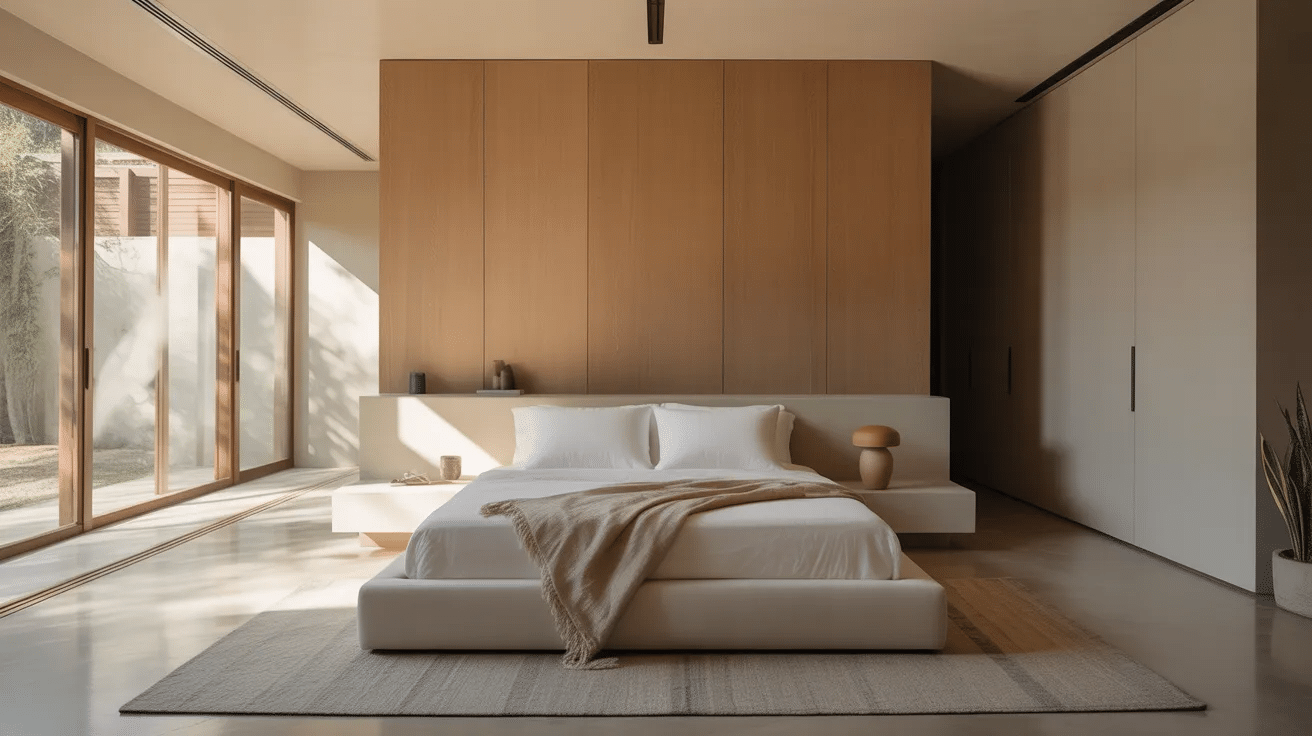
A bedroom suite provides privacy and comfort. This type of project usually includes a larger bedroom, a walk-in closet, and an attached bathroom.
Among popular ideas, bedroom suites stand out for increasing both functionality and property value. The added space allows people to include storage, seating areas, or improved lighting.
5. Home Office Addition
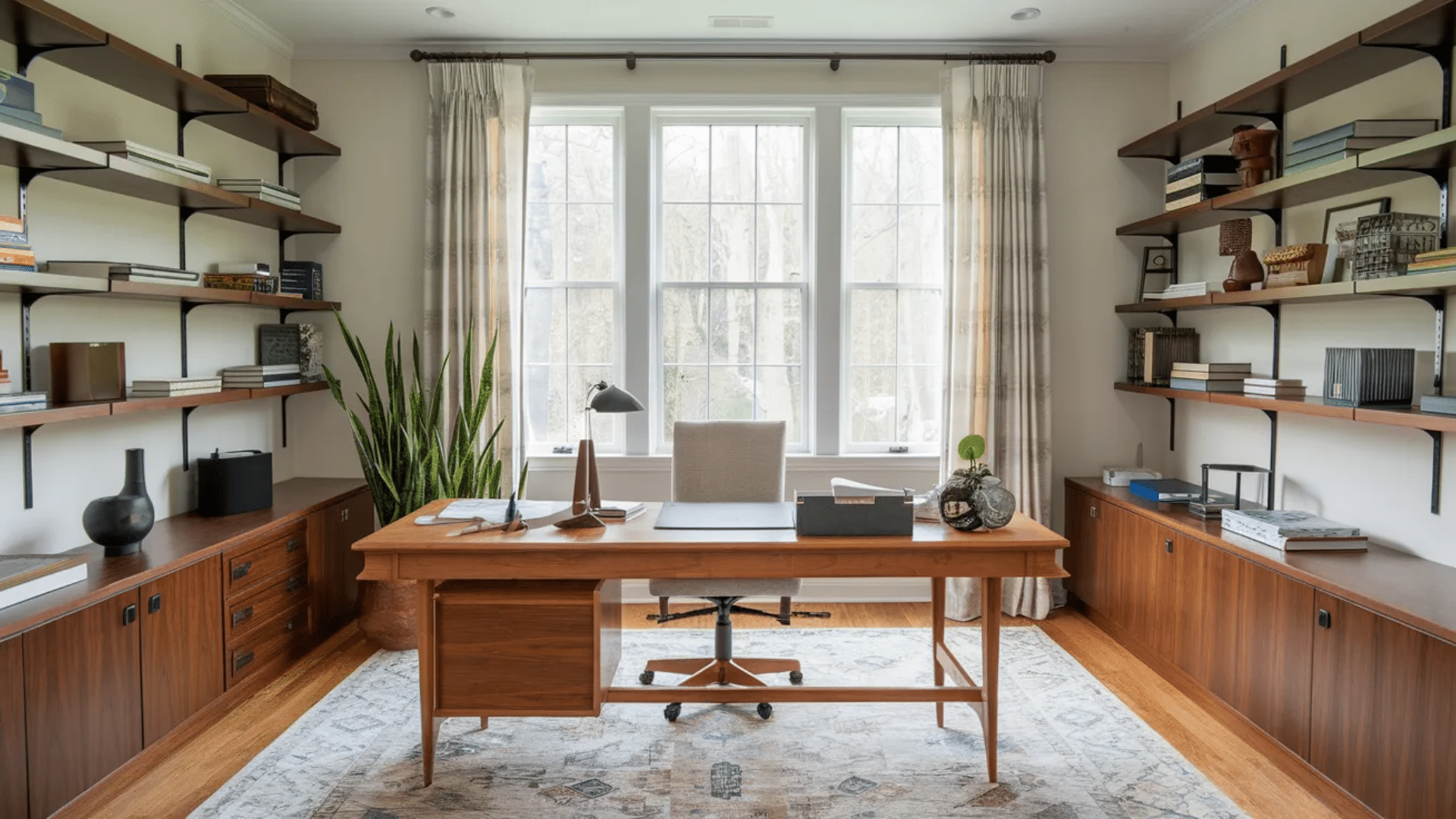
Remote work has made dedicated workspaces more important. A home office addition separates professional tasks from household activities.
This option often includes shelves, storage cabinets, and sound-controlled walls. A quiet environment improves focus and productivity.
6. Guest Bedroom Addition
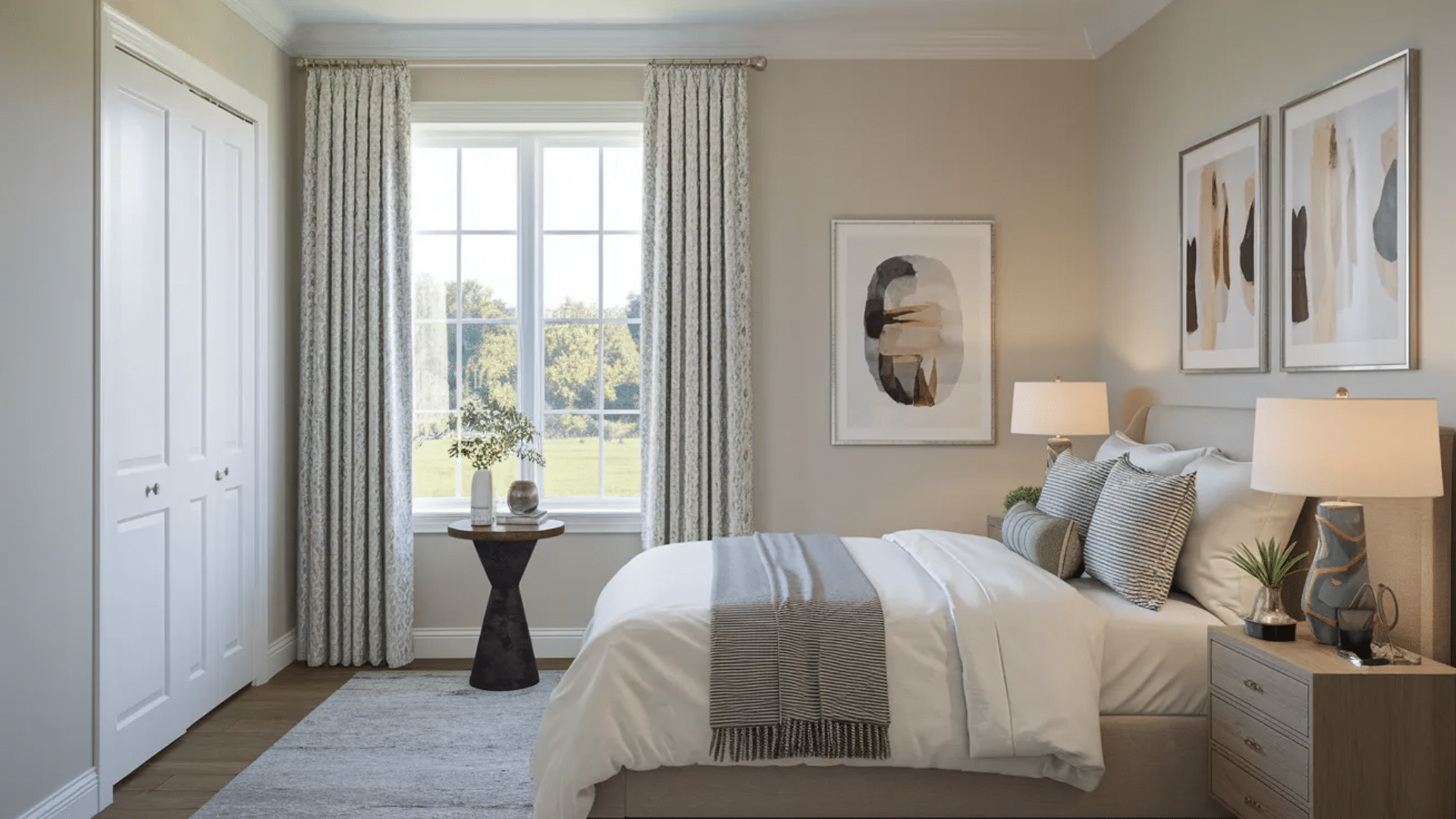
Hosting visitors becomes easier when a home includes a dedicated guest room. Instead of temporary sleeping arrangements, guests enjoy their own private space.
Many ideas focus on hospitality and comfort, making guest bedrooms a practical option. It is a great option for people who want to convert additional bedrooms into guest bedrooms.
7. Mudroom Addition
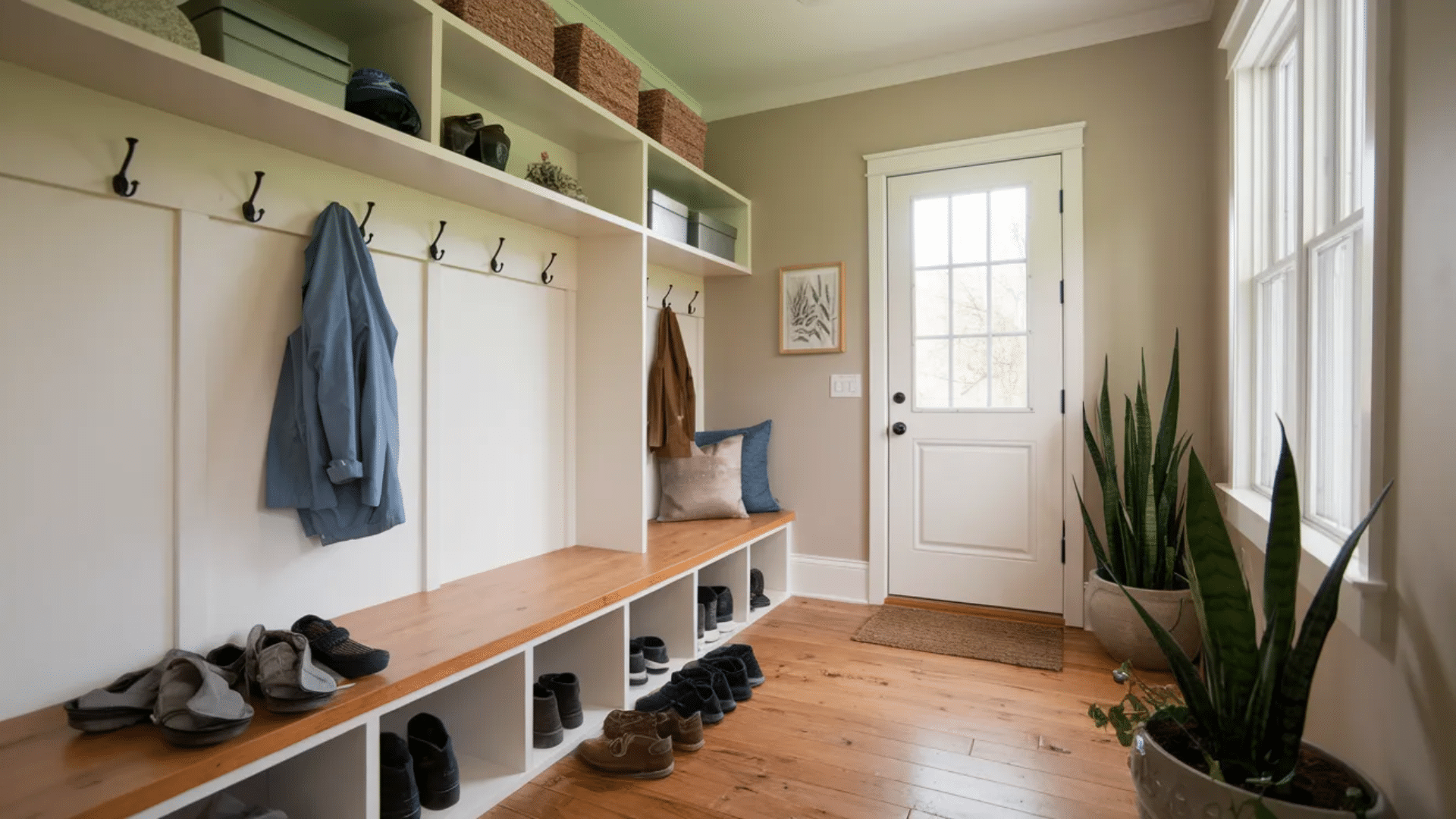
A mudroom creates an organized entry area for shoes, coats, and backpacks. Families often place this extension near the garage or back entrance.
Among practical home addition ideas, mudrooms help reduce clutter by keeping outdoor items separate from living areas.
8. Laundry Room Addition
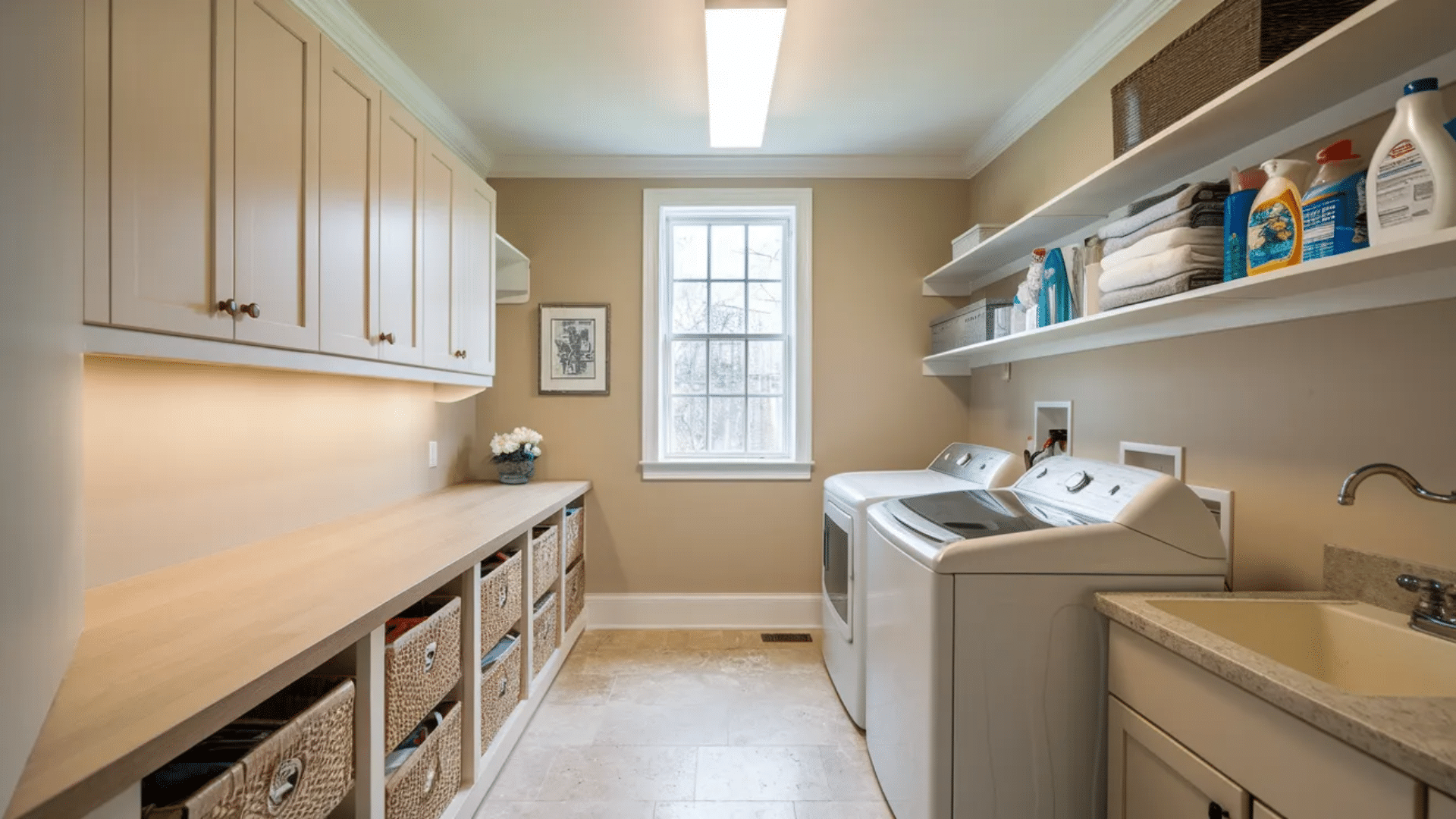
Laundry areas often feel cramped in older homes. A larger laundry space improves efficiency and organization. This idea includes folding counters, cabinets, and additional storage for cleaning supplies.
You can also incorporate space for sorting clothes or installing a utility sink for added convenience. Better layout and storage can turn a basic laundry area into a more functional and comfortable workspace.
9. Walk-In Closet Addition
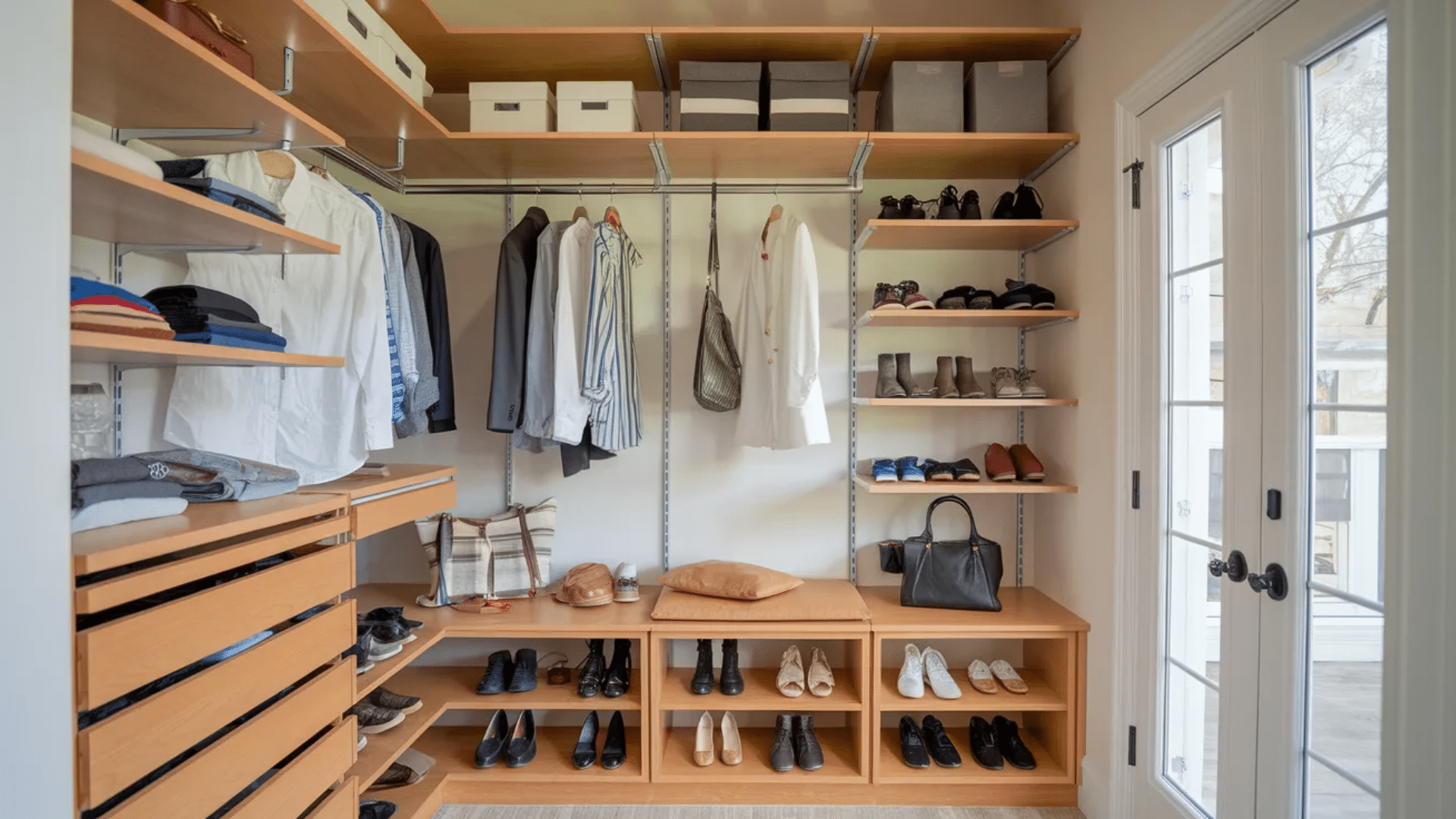
Storage shortages often lead to frustration in bedrooms, especially when closets are small or poorly organized. A walk-in closet addition provides a dedicated area for organizing clothing, shoes, and accessories.
Shelving systems, drawers, and hanging racks make it easier to keep items sorted and accessible. This idea helps reduce clutter in bedrooms and hallways while improving everyday routines.
10. Garage Addition with Living Space Above
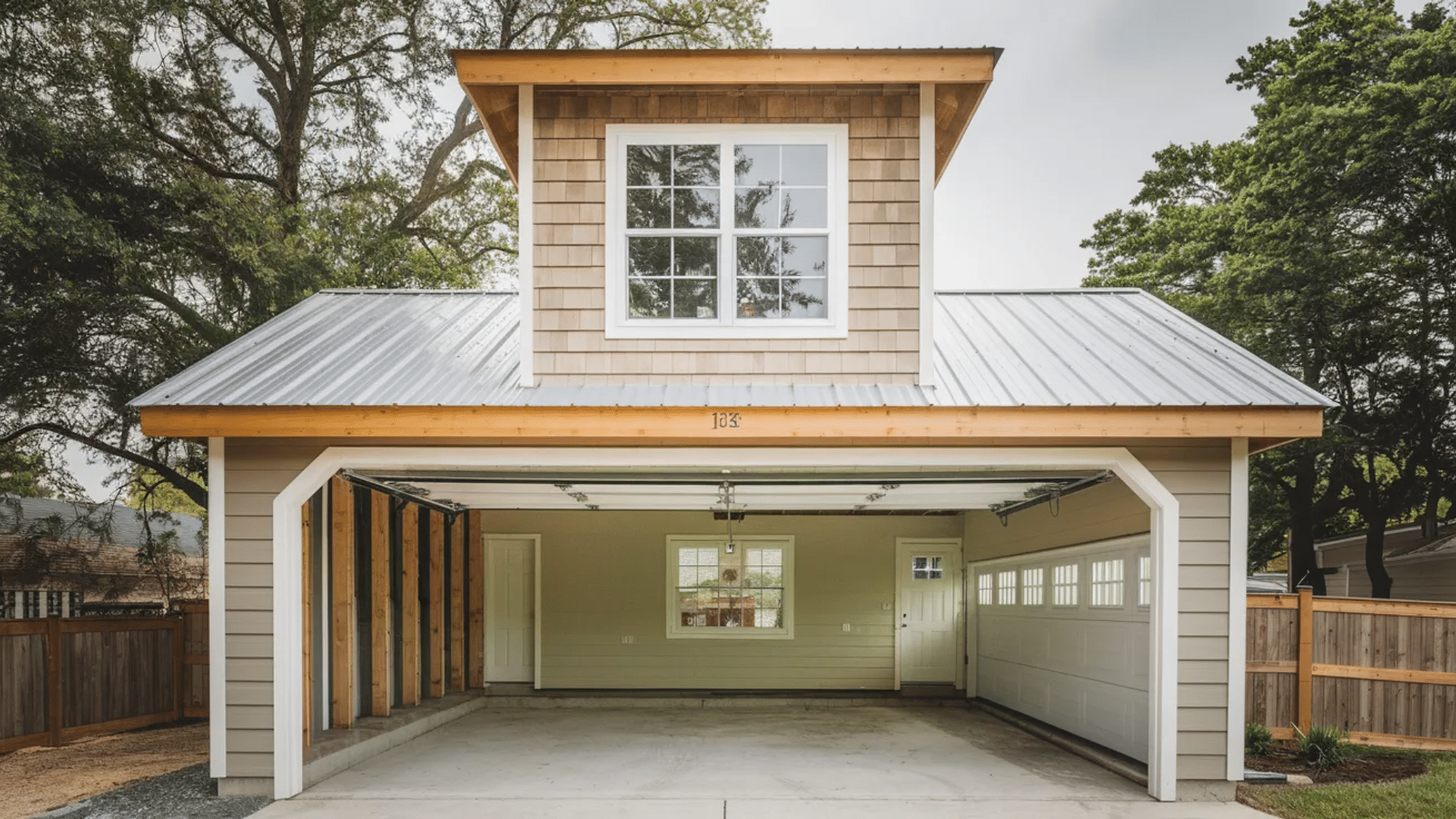
Adding a garage with a living area above creates two highly useful spaces within one structure. The lower level offers secure parking and storage for tools, bicycles, and seasonal equipment.
The upper level can serve as a bedroom, office, or private workspace depending on household needs. Many people include this option when reviewing larger home addition ideas because it makes effective use of vertical space
11. Second Story Addition
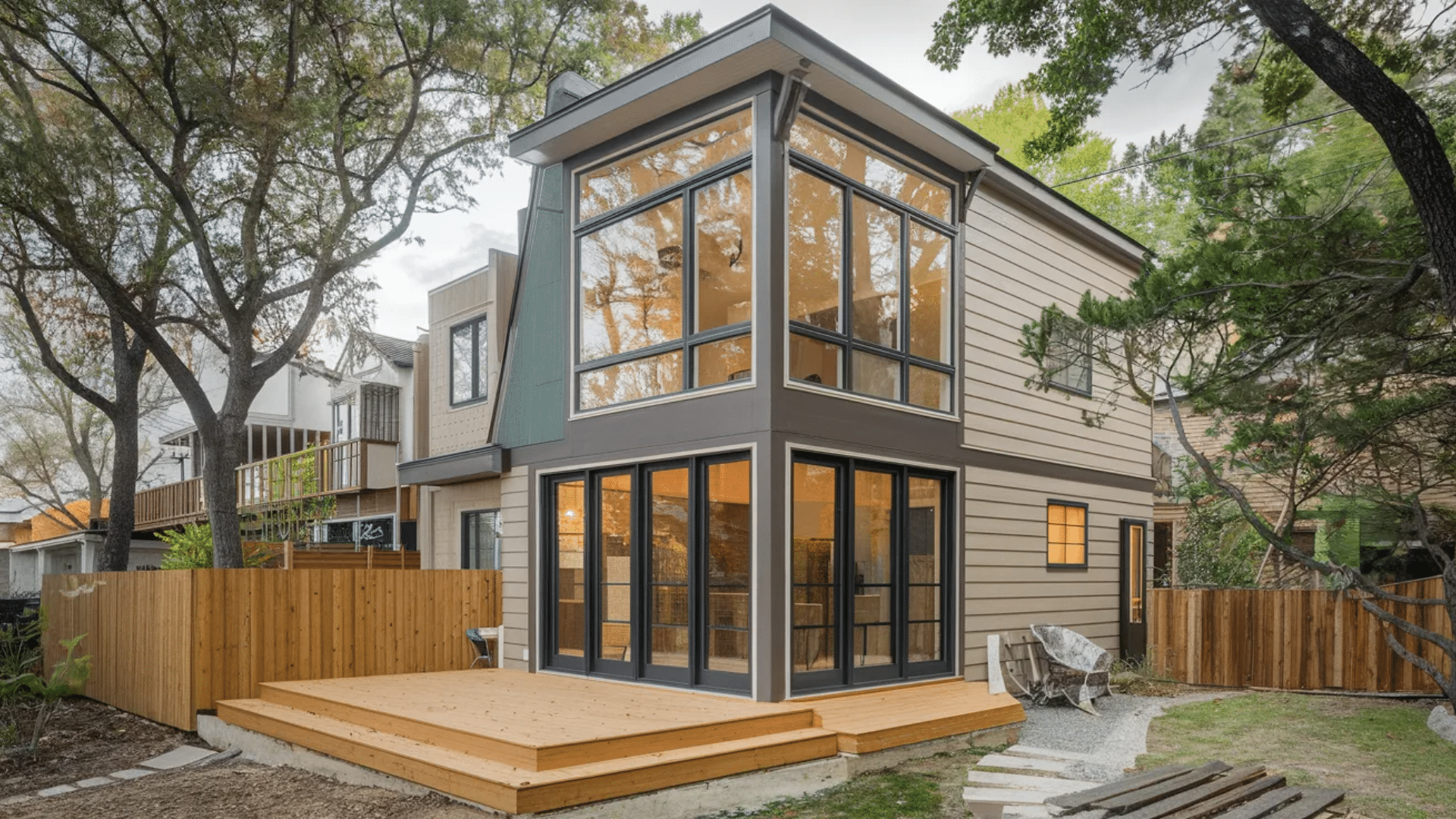
For properties with limited yard space, building upward can provide a practical way to gain additional square footage.
A second-story addition allows people to expand living space without extending the house outward. New bedrooms, bathrooms, or office areas are often located on the upper floor.
Although the project involves more preparation than smaller upgrades, the result can greatly increase usable space while maintaining the current footprint of the home.
12. Backyard Studio Addition
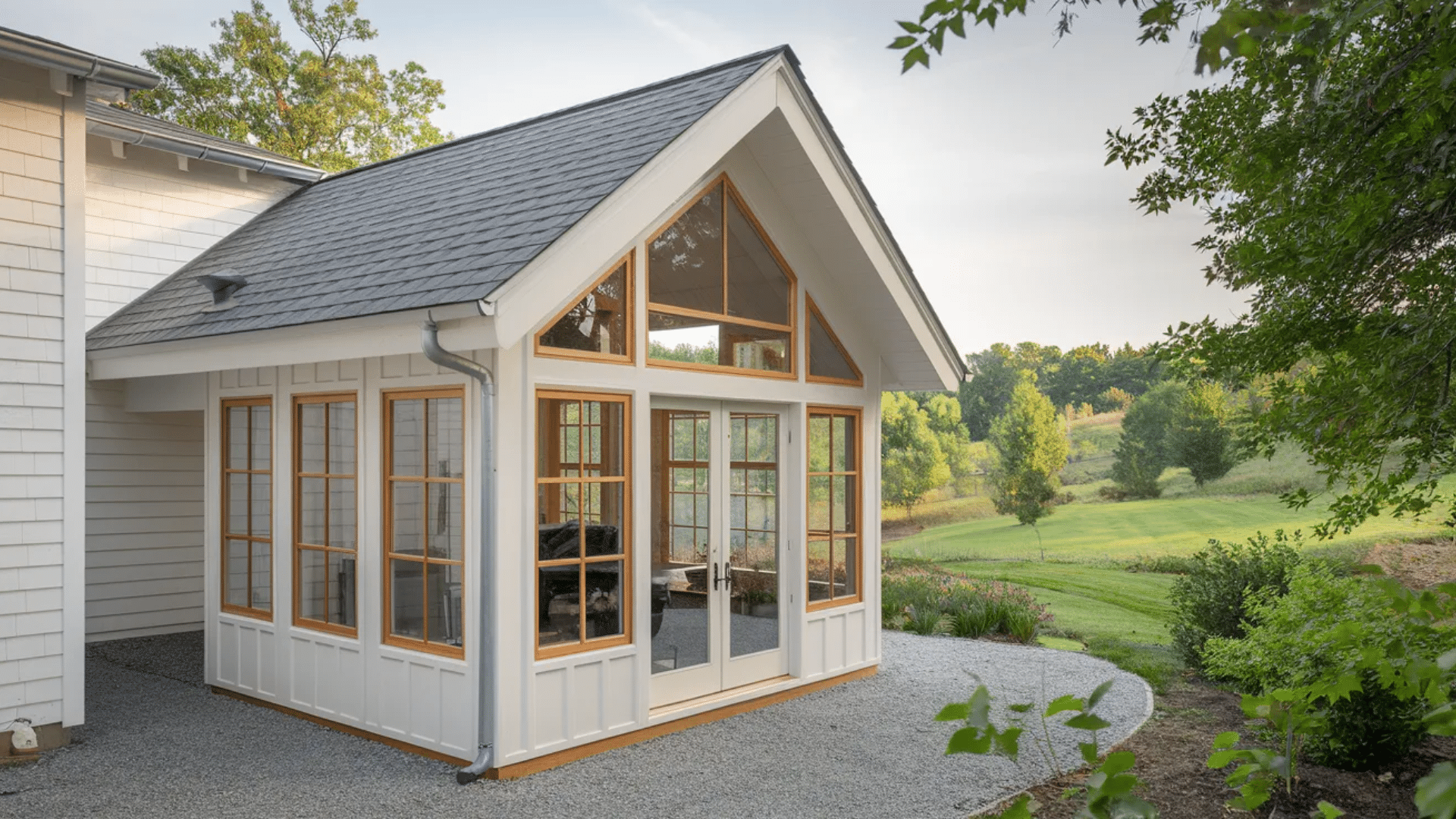
A backyard studio offers a quiet and flexible space separate from the main house. People often use this area as a home office, creative workspace, or guest room.
Detached studios provide privacy and help reduce noise inside the primary living areas. Some people even include a small bathroom or kitchenette, turning the space into a compact guest suite.
13. Home Gym Addition
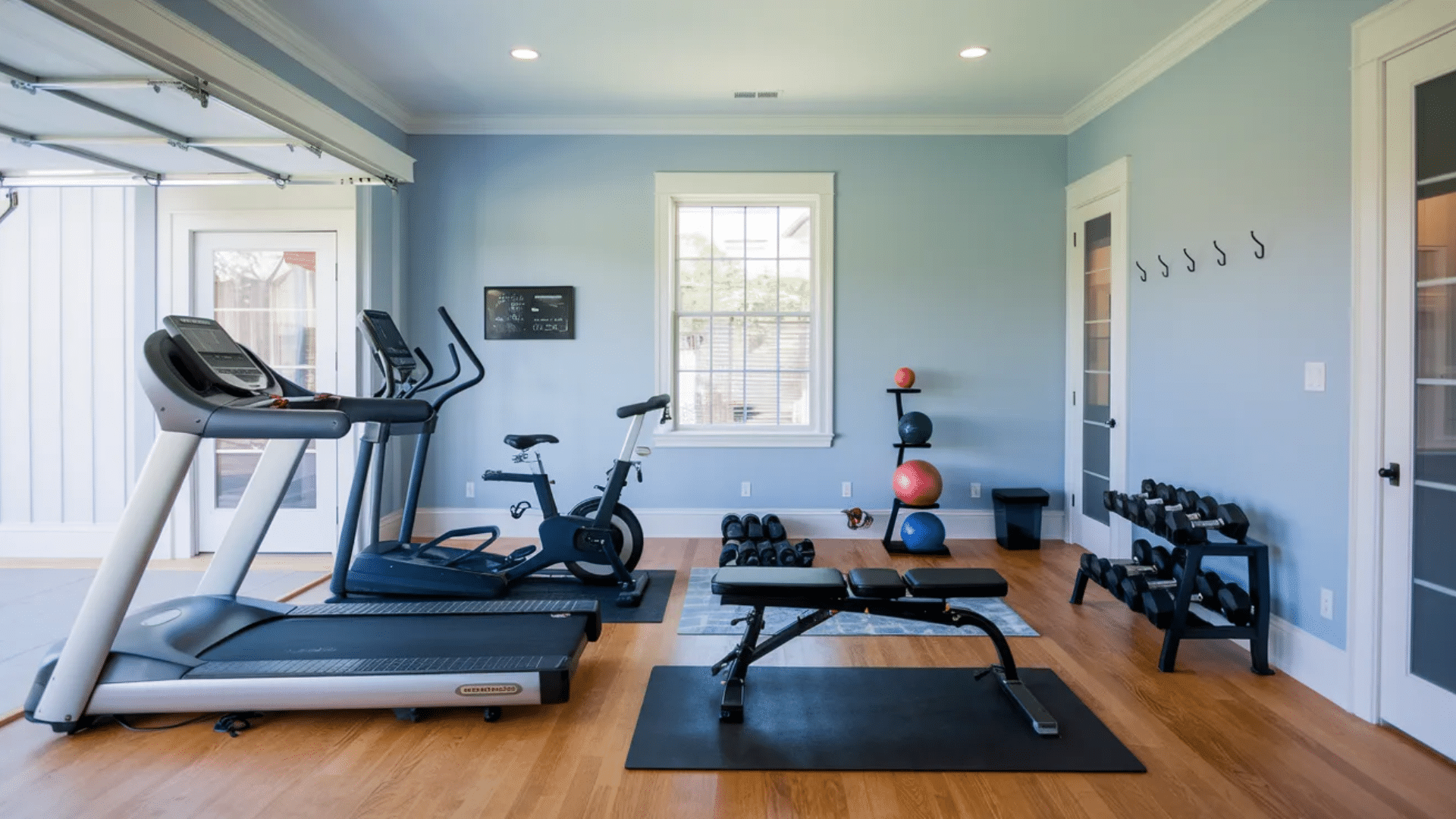
A home gym creates a dedicated environment for exercise without leaving the house. Many people add this type of extension near a garage or basement so workout equipment remains separate from everyday living areas.
Proper ventilation and durable flooring improve comfort during workouts. Having a private fitness space can encourage regular exercise while keeping equipment organized. A gym addition also allows households to maintain an active routine without depending on outside facilities.
14. Pantry or Storage Addition

Kitchen storage can quickly become limited as cooking routines expand and appliances accumulate. A pantry addition creates an organized space for storing food items, kitchen tools, and small appliances.
A well-planned pantry can also include storage for bulk groceries and seasonal cooking items. With better organization, meal preparation becomes simpler, and the kitchen remains cleaner and easier to manage.
15. Enclosed Porch Conversion
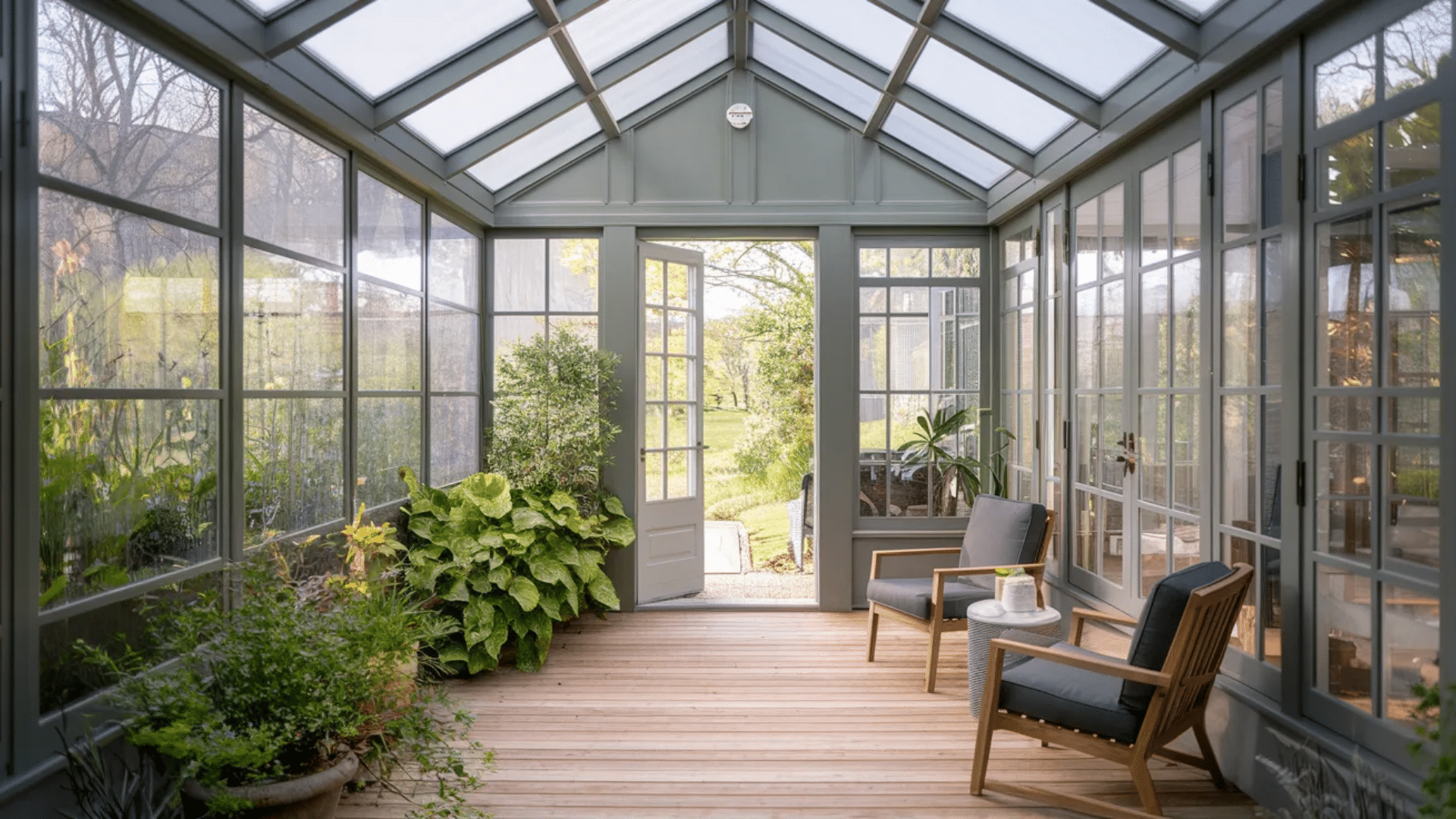
An enclosed porch converts an outdoor seating area into a comfortable indoor space that can be used throughout the year.
Adding insulated walls, windows, and flooring turns the porch into part of the home’s living area. Many people use this space as a quiet lounge, reading room, or play area.
Among simple home addition ideas, porch conversions can provide valuable extra space without major structural work. The room also allows residents to enjoy outdoor views while staying protected from weather conditions.
Average Cost of Common Home Additions
Budget planning plays a major role when evaluating home addition ideas. Costs depend on the size of the project, building materials, and contractor rates in the local area.
| Type Average | Average Cost Range | Typical Size |
|---|---|---|
| Small bump-out extension | $5,000 – $30,000 | small room expansion |
| Single room addition | $20,000 – $80,000 | medium-size room |
| Sunroom addition | $15,000 – $60,000 | window-focused room |
| Garage addition | $25,000 – $100,000 | two-car garage |
| Second-story addition | $100,000 – $300,000 | full additional floor |
Factors to Consider Before Building an Addition
Before selecting home addition ideas, it is important to review several practical factors. Careful planning helps avoid delays, unexpected expenses, and structural problems during construction.
- Budget Planning: Set a realistic budget that covers design fees, construction costs, materials, permits, and possible adjustments during the project.
- Building Regulations: Local building codes and permit rules vary by city and state. Could you always confirm requirements with local authorities before starting construction?
- Timeline Expectations: Construction timelines depend on project size, weather conditions, and permit approvals. Planning helps prevent unexpected delays.
- Contractor Selection: Working with licensed contractors improves project quality and ensures compliance with building standards throughout construction.
- Utility Connections: Water lines, electrical wiring, and ventilation systems may need to be extended or upgraded when adding new rooms.
- Future Needs: Choose additions that remain useful over time. Flexible spaces can support changing routines or family needs later.
Conclusion
Extra space can completely change how a home functions. A well-planned extension improves comfort, organization, and long-term value without requiring relocation.
Thoughtful home addition ideas allow people to adjust their living space as routines change.
Some upgrades solve storage challenges, while larger projects provide entirely new rooms. Take time to review the layout of your property and identify areas where additional space would improve everyday life.
When planning begins with clear goals, the right addition can create a home that supports both current needs and plans.