
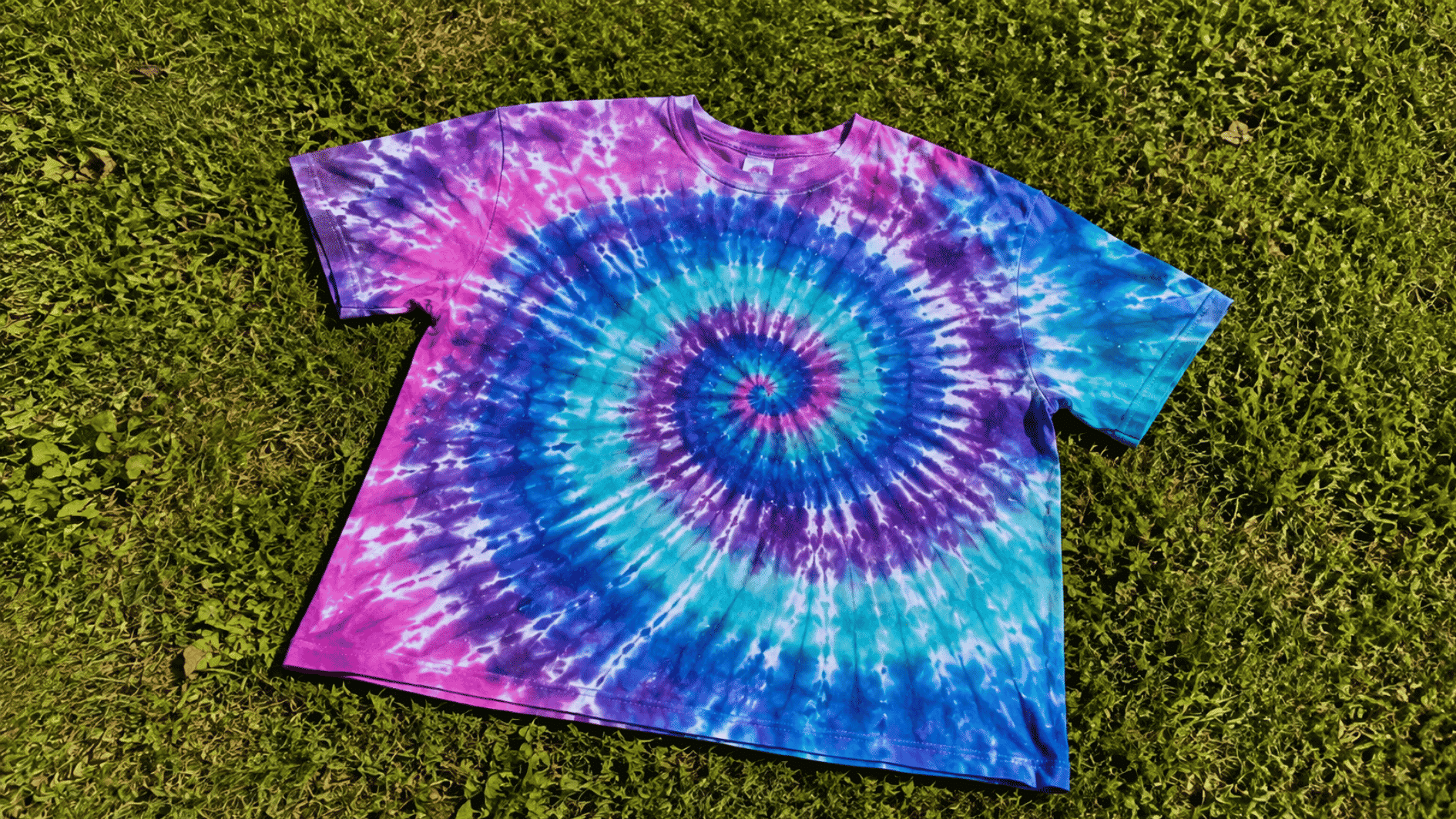
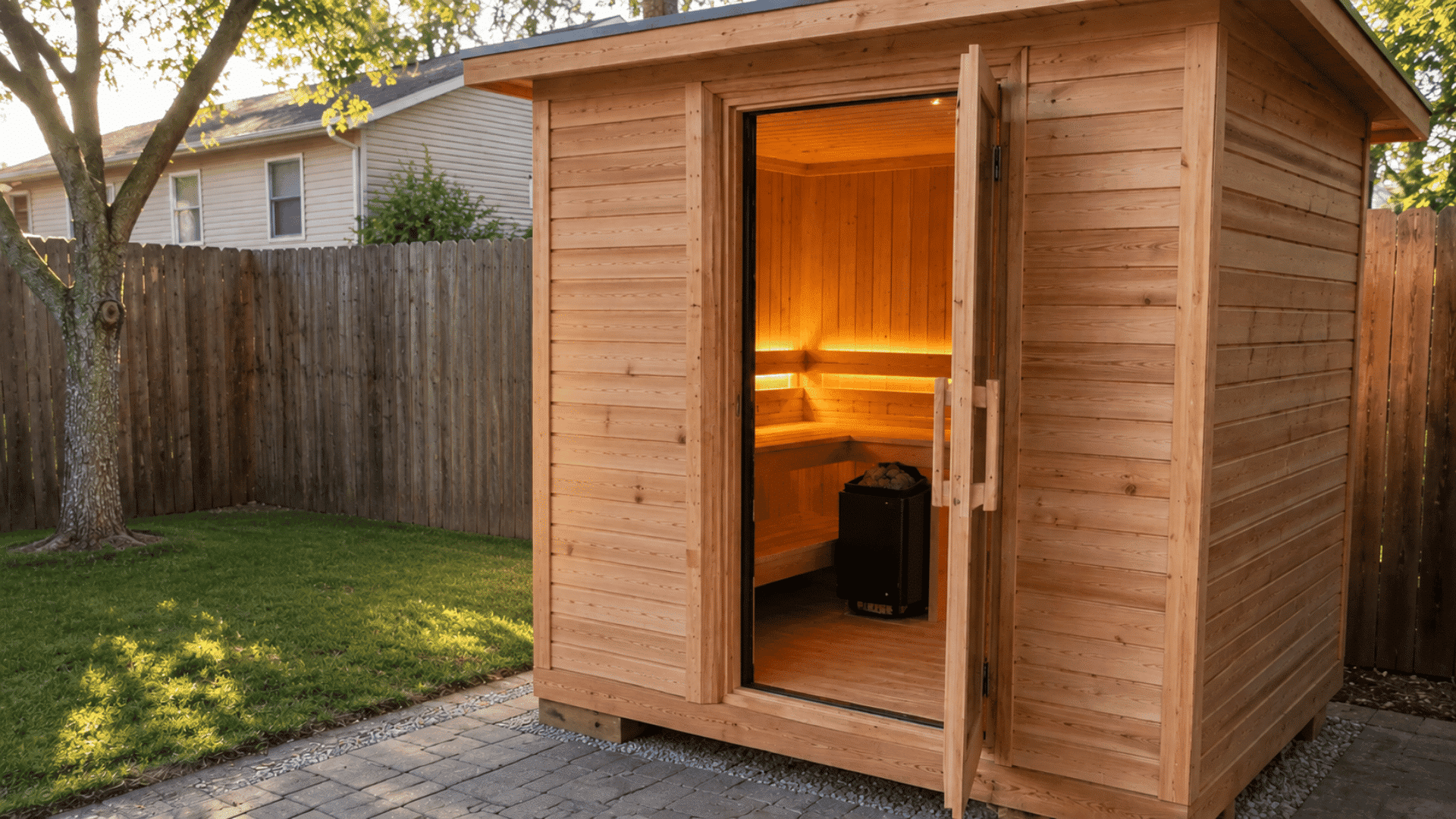
There is a special kind of satisfaction in making something with your own hands. A simple bundle of yarn can become a cozy scarf, an empty canvas can turn into a colorful piece of art, and an overlooked corner of your home can become a welcoming little space. These small accomplishments often bring a quiet sense of happiness.
However, hobbies can gradually become another set of responsibilities. We may feel the need to complete every project, master every technique, improve every recipe, arrange our supplies perfectly, and share our finished work with others.
But what if our leisure time could be free from those expectations? What if we could enjoy an activity without worrying about what it produces? Not every hobby needs a final outcome. Sometimes, the pleasure of spending time doing something we love is more than enough.
Enjoy Activities for the Experience, Not the Outcome
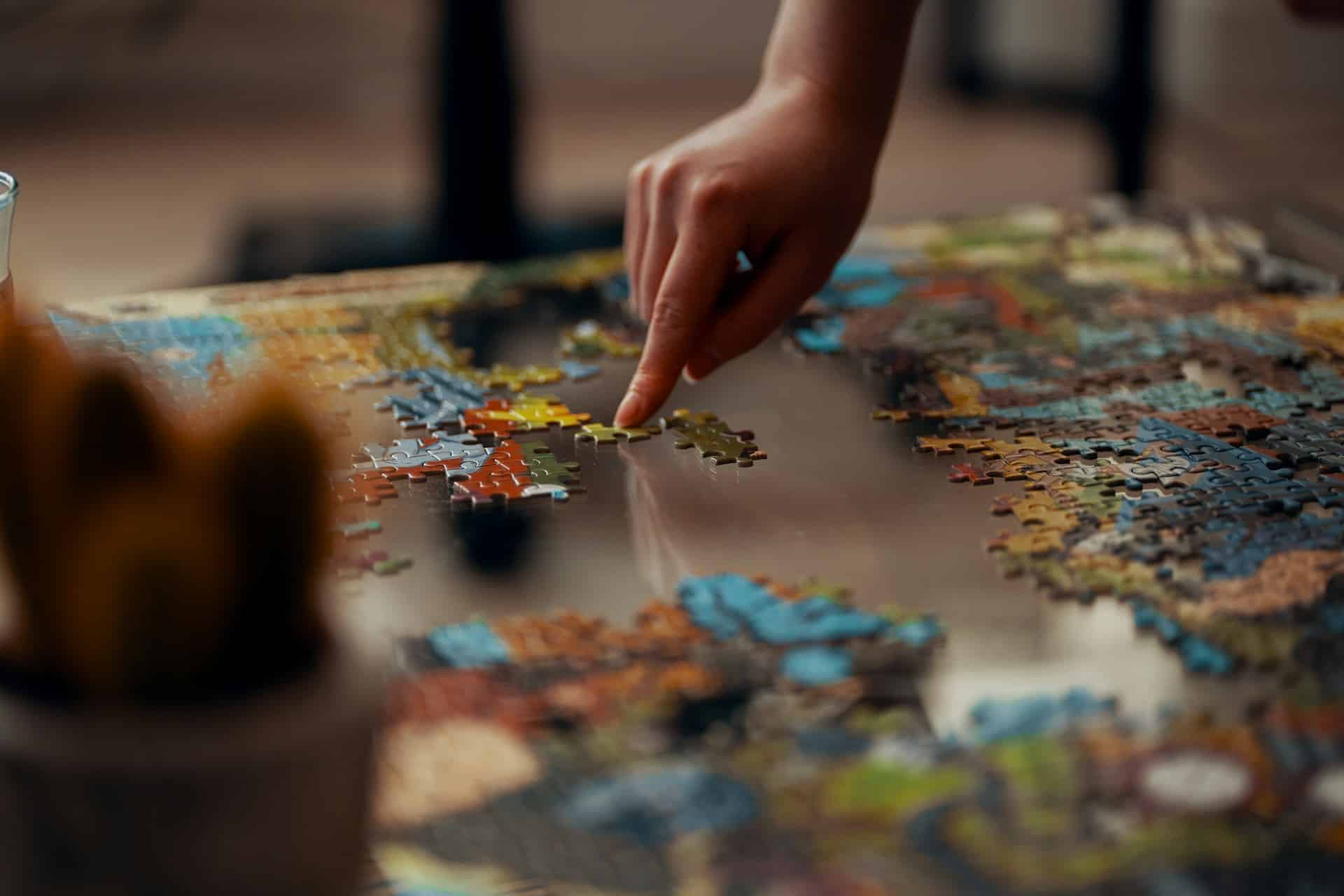
Consider the activities people enjoy simply for the experience. We put together puzzles even though we may eventually scatter the pieces back into their boxes. We play board games without expecting to create something lasting. We watch comedies because they make us laugh, not because we expect to gain a new ability from them.
Online entertainment can offer similar experiences. Some people enjoy relaxing video games, digital puzzles, and other forms of interactive recreation. In Canada, casino-style gaming is another option, although its availability and legal requirements differ across provinces. For those exploring this category of entertainment, casino available on Casino.com CA provides comparisons of casino platforms based on considerations such as available games, payment methods, and platform features.
Of course, there is no single way to enjoy leisure. Some people prefer hands-on activities, while others gravitate toward digital experiences. What matters is recognizing that enjoyment does not have to result in a physical object, a measurable achievement, or something worth showing to other people.
Find Pleasure in the Creative Journey
Creative hobbies can be rewarding even when the finished work is far from perfect.
You might enjoy painting without wanting to display your artwork. Perhaps knitting helps you unwind, even though you already have enough blankets at home. You may love experimenting with different colors, materials, or patterns without having a specific project in mind.
Allowing yourself to enjoy the process can make creative activities feel much more relaxing.
Instead of constantly evaluating your work, try asking a different question: Am I having a good time?
The relationship between artistic participation and personal well-being has attracted attention from organizations such as the National Endowment for the Arts. Its work examining arts participation alongside social and emotional well-being provides a broader perspective on the potential value of creative experiences.
You do not need to produce a masterpiece to appreciate the time spent creating something. Experimenting with materials, exploring ideas, and enjoying a few peaceful moments can be valuable in their own right.
Keep Your Hobbies Separate From Your Career
Turning a personal interest into a source of income can sound appealing, but it is not always the right choice for everyone.
Someone who makes beautiful earrings might be encouraged to open an online shop. A talented home baker may receive suggestions to start selling desserts. A person who enjoys photography might be asked to take professional assignments.
There is nothing wrong with building a business around something you love. For some people, doing so creates exciting opportunities and a rewarding career.
However, monetizing a hobby also introduces new obligations. Customers expect consistent quality, deadlines must be met, prices need to be calculated, and business expenses require attention. What once provided an escape from daily responsibilities can gradually become another source of pressure.
You are not obligated to turn every talent into an income stream. A hobby can remain a personal interest that belongs entirely to you.
Sometimes, preserving the freedom to create without commercial expectations is the best way to continue enjoying an activity.
Choose Activities That Suit Your Available Energy
Our energy levels change from day to day, and our hobbies should be flexible enough to accommodate those differences.
On some afternoons, you might feel motivated to repaint a piece of furniture, learn a complicated craft, or begin an ambitious home improvement project. On other evenings, even gathering the necessary supplies may feel like too much effort.
Rather than giving up on leisure when your energy is low, consider keeping a variety of activities available.
When you feel energetic, you could experiment with a new recipe, start a sewing project, or try a different artistic technique. When you need something more relaxing, you might prefer coloring, reading, knitting, playing a casual game, or watching a familiar television series.
Having different options makes it easier to enjoy your free time without waiting for the perfect opportunity.
You do not need an entire weekend of uninterrupted hours to pursue your interests. Even ten or fifteen minutes spent doing something enjoyable can provide a welcome break from everyday responsibilities.
Give Yourself Permission to Be a Beginner
Children often approach creative activities with a freedom that adults gradually lose.
Give a child some modeling clay, and they may happily create a strangely shaped animal without worrying about whether it looks realistic. They focus on making something and enjoying the experience rather than judging the result.
Adults, on the other hand, frequently compare their early attempts with the polished work of experienced creators. We may hesitate to use new supplies because we fear wasting them, or abandon an activity because our first results do not meet our expectations.
But learning something new naturally involves mistakes.
Your first embroidery project might contain uneven stitches. A homemade pottery bowl may turn out crooked. Your initial attempt at watercolor painting might look nothing like the picture you imagined.
None of these imperfections means that your time was wasted.
Being a beginner gives you the opportunity to experiment, discover your preferences, and improve at your own pace. More importantly, it allows you to experience something new without demanding immediate success.
You do not have to become exceptionally good at an activity to deserve the pleasure of doing it.
Let Free Time Exist Without Expectations
Many areas of everyday life already revolve around performance and responsibility. Work involves deadlines and objectives. Homes require regular maintenance. Families manage appointments, commitments, and countless small tasks that must eventually be completed.
Leisure does not need to become another environment where everything is measured.
Some hobbies help us develop practical skills. Others produce beautiful handmade objects, encourage social connections, or create opportunities to spend time with loved ones. These are all worthwhile benefits.
Yet an activity can also be meaningful simply because it makes an ordinary day feel a little brighter.
You might spend an evening arranging flowers, playing a favorite game, sketching without a plan, or experimenting with a craft you have never tried before. When you finish, there may be nothing impressive to display and no achievement to celebrate.
That does not make the experience any less valuable.
The next time you choose a hobby, consider setting aside the pressure to finish, improve, impress, or earn something from it. Allow yourself to enjoy the activity for what it is.
Your free time does not have to prove its worth. Sometimes, having fun is the most rewarding outcome of all.