

Most craft room injuries are minor burns, cuts and pokes that you can treat at home. Cool burns under running water, press firmly on cuts and keep a first aid kit at your worktable. Learning CPR adds peace of mind when kids craft with you.
Craft rooms are full of happy chaos: hot glue guns, rotary cutters, craft knives and the occasional runaway sewing needle. Most crafting injuries are minor, but knowing what to do keeps a small slip from becoming a bigger problem. If kids craft with you, a search for Oakville CPR training near me is a good first step for local crafters and parents.
This guide covers the injuries crafters see most often, how to treat them, when to get medical help, and how to set up your space so accidents are less likely in the first place.
How Do You Treat a Hot Glue Burn?
Cool the burn right away under cool running water for at least 10 minutes. Don’t peel off glue that has stuck to the skin; the water will help it release, and pulling can remove skin. Cover loosely with a clean, non-stick dressing. Seek medical care for large, deep or blistering burns, or burns on the face, hands or joints.
Avoid old home remedies. Butter, oil, toothpaste and ice can all make a burn worse by trapping heat or damaging tissue. Cool water is the simplest and most effective first step.
What Should You Do for a Cut From a Craft Knife or Rotary Cutter?
Apply firm, direct pressure with a clean cloth until bleeding slows. Rinse the wound with clean water, then cover it. If blood soaks through, add more dressing on top rather than removing the first layer. Deep cuts, cuts that gape, or bleeding that won’t stop need medical attention.
Rotary cutters are especially sharp and can cause deep cuts on fingertips. If a cut is very deep, involves a tendon, or you can’t move the finger normally, get it checked the same day.
What About Needle Pokes and Splinters?
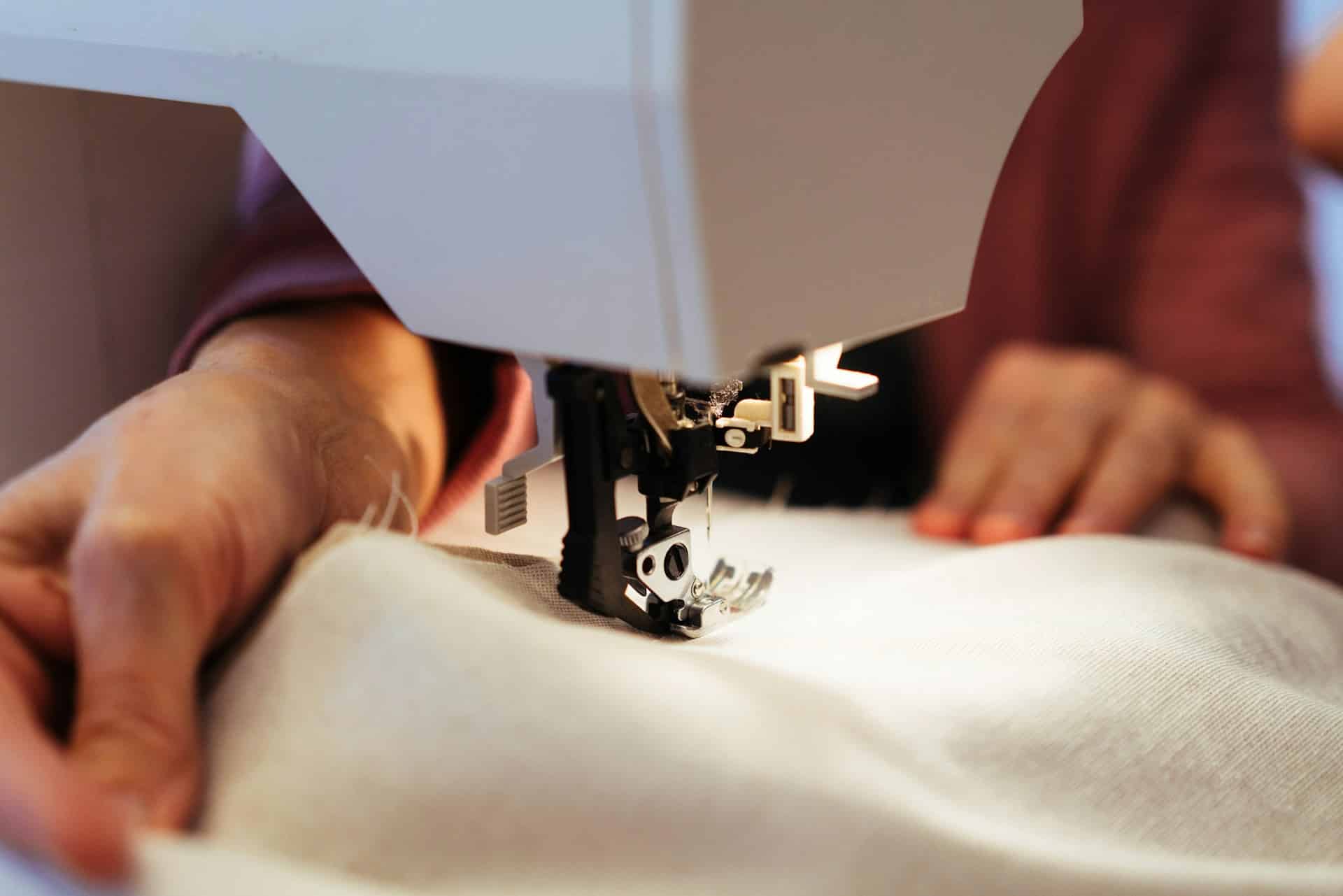
Wash small punctures with soap and water and watch for signs of infection, such as redness, swelling or warmth. For a splinter close to the surface, clean tweezers usually do the job. Leave anything deeply embedded to a health professional.
If a sewing machine needle breaks and a fragment enters the skin, don’t dig for it. Cover the area and seek care, because small metal pieces can be hard to find and remove safely.
How Do You Handle Eye Injuries From Craft Materials?
Glitter, sawdust, paint flecks and splashes of glue or solvents can all end up in the eyes. Don’t rub. Rinse the eye gently with clean, lukewarm running water for several minutes, holding the eyelid open.
For chemical splashes, rinse longer and check the product label for guidance. Seek medical care if pain, redness or blurred vision continues, or if something is stuck in the eye.
Are Craft Fumes and Chemicals a Risk?
Spray adhesives, resin, solvents and some paints release fumes. Work in a well-ventilated area, read product labels and keep lids closed when not in use. If someone feels dizzy, nauseous or develops a headache, move them to fresh air. For any suspected poisoning or swallowed product, call your local poison centre or 9-1-1 if the person has trouble breathing or is drowsy.
What If a Child Swallows a Small Craft Item?
Beads, buttons and magnets are common in craft rooms and can be dangerous for young children. If a child is choking and can’t cough, cry or breathe, act immediately with back blows and chest or abdominal thrusts appropriate for their age, and call 9-1-1. Swallowed magnets and button batteries need urgent medical care even if the child seems fine, because they can cause serious internal injury.
Why Keep a First Aid Kit in Your Craft Space?
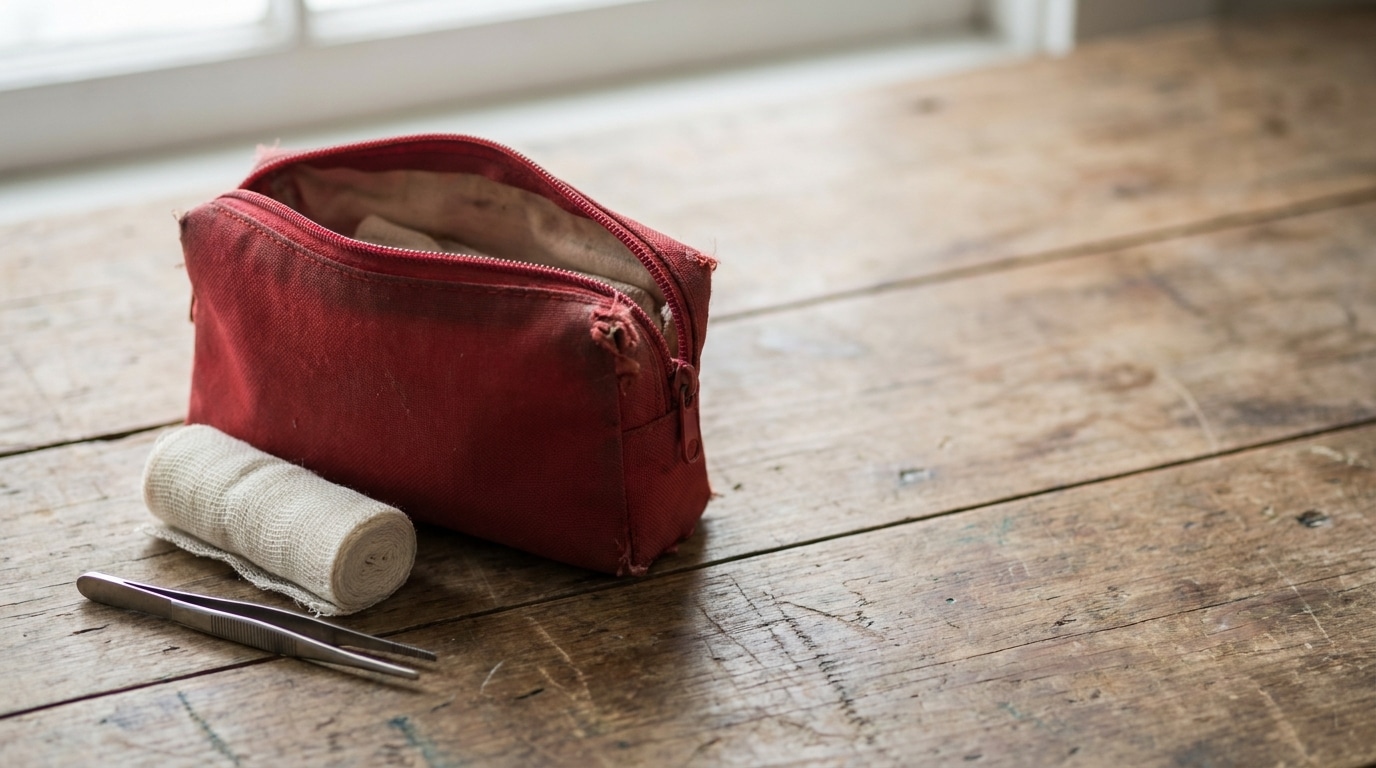
Injuries happen at the worktable, not in the bathroom cabinet. A small kit within reach saves time and mess. Include adhesive bandages, gauze pads, non-stick dressings, medical tape, tweezers, gloves, a burn dressing and a small bottle of clean water for rinsing.
How Can You Prevent Craft Room Accidents?
Most injuries come from rushing, clutter or poor lighting. Keep your workspace tidy, light it well and store sharp tools in closed containers. Use a glue gun stand, unplug heated tools when you step away and keep cords away from the edge of the table. If children craft with you, give them age-appropriate tools and supervise closely.
What About Crafting at Markets and Workshops?
Many crafters sell at markets or teach workshops, which brings new risks. Hot tools, crowded tables and curious children can all lead to burns or cuts. Bring a compact first aid kit to every event, tape down cords, and keep heated tools at the back of your table. If you run workshops, a quick safety briefing at the start sets expectations, and knowing basic first aid lets you respond calmly if a participant is hurt.
It also helps to know who to call. Before an event, note the venue address, find out whether organizers have a first aid station, and check where the nearest AED is located. Those small steps take minutes and make a real difference if a customer or student needs help.
What Should Be on Your Craft Room Safety Checklist?
- Use a stand for hot glue guns and unplug them after use.
- Store blades closed and out of children’s reach.
- Keep a stocked first aid kit by the worktable.
- Use a cutting mat and cut away from your body.
- Ventilate when using sprays, resins or solvents.
- Keep beads, magnets and batteries away from young children.
- Learn basic first aid and CPR.
If you’re looking for first aid training near the QEW corridor in south Oakville, or other areas close to our facility, then you may reach out to Coast2Coast First Aid/CPR – Oakville in that area. It’s also a great time to look into CPR training for your family.
Frequently Asked Questions
1. Should I put ice on a hot glue burn?
No. Use cool running water instead; ice can damage the skin further.
2. Can I pull hot glue off my skin?
No. Cool it with water first and let it release, since pulling can tear the skin.
3. When does a craft cut need stitches?
Seek care for deep cuts, wounds that gape open, or bleeding that doesn’t stop with pressure.
4. What should a craft room first aid kit include?
Bandages, gauze, non-stick dressings, tape, tweezers, gloves and a burn dressing.
5. Is CPR training useful for crafters?
Yes. Emergencies can happen anywhere, and CPR skills are valuable at home, at work and in the community.