


A few sincere words can help a child feel noticed, supported, and more confident during an ordinary day, a difficult task, or an unfamiliar experience.
These ready-to-usewords of encouragement for kidsgive families, teachers, and coaches ready-to-use language for common situations.
The words of encouragement in this blog for kids bring together positive, reassuring, confidence-building, and thoughtful messages for school, friendships, difficult days, and everyday moments.
How Do Words of Encouragement for Kids Help Them Grow and Develop?
Encouragement helps children understand what they are doing well. It can recognize their effort, patience, creativity, kindness, or willingness to keep trying.
The American Psychological Association recommends praising effort, strategies, and progress rather than fixed traits such as intelligence. This can help children connect improvement with actions they can control.
Positive affirmations for kids can offer reassurance during schoolwork, friendship problems, new experiences, or disappointing moments.
When adults name the exact action they noticed, children are more likely to feel heard rather than pressured to be positive.
Everyday Words of Encouragement for Kids to Express
Different moments call for different support. Homework may need practical reassurance, while disappointment may first need understanding. Adapt these messages in various situations.
Short Positive Phrases for Everyday Moments
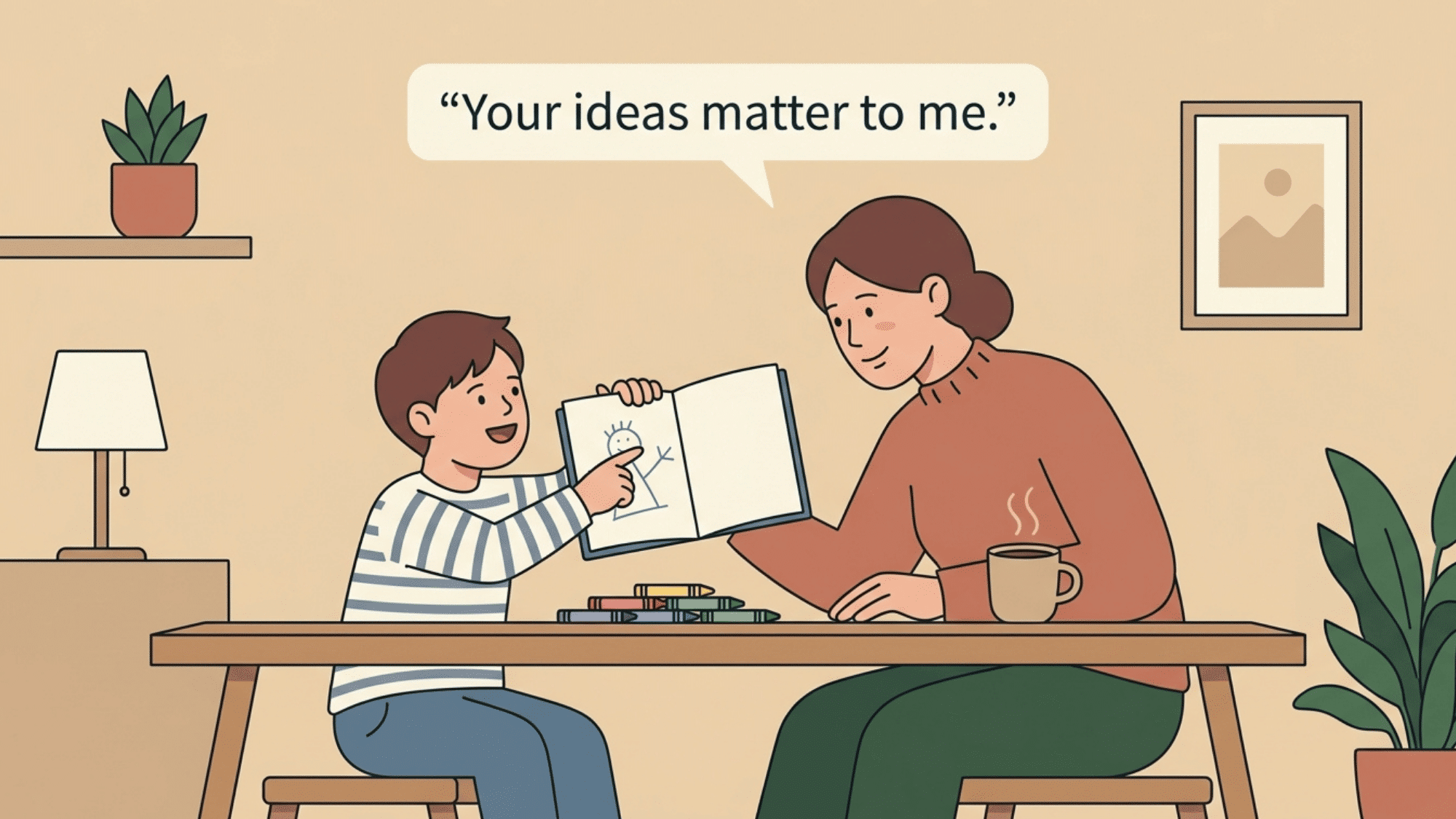
These simple phrases fit naturally into conversations, lunchbox notes, car rides, and bedtime routines. They offer quick ways to notice a child’s choices, effort, ideas, and kindness throughout the day.
- “I love hearing what you think.”
- “You made a thoughtful choice.”
- “Your ideas matter to me.”
- “I noticed how patiently you waited.”
- “You brought kindness into this moment.”
- “You handled that responsibility well.”
- “Your curiosity makes learning interesting.”
- “I appreciate your honest answer.”
- “You found a creative way forward.”
- “You made someone feel included.”
- “Your help made a difference.”
- “You listened with real care.”
- “You are learning more each day.”
- “I trust you to make choices.”
- “You stayed calm and thought carefully.”
- “You noticed something others might miss.”
- “Your sense of humor brightened today.”
- “You took care of your things.”
- “You spoke clearly about what you needed.”
- “You showed respect even when disagreeing.”
- “I enjoy spending time with you.”
- “You remembered without being reminded.”
- “Your effort helped everyone.”
- “You are an important part of this family.”
- “I am glad you are you.”
Words of Encouragement for Kids (for Teachers)
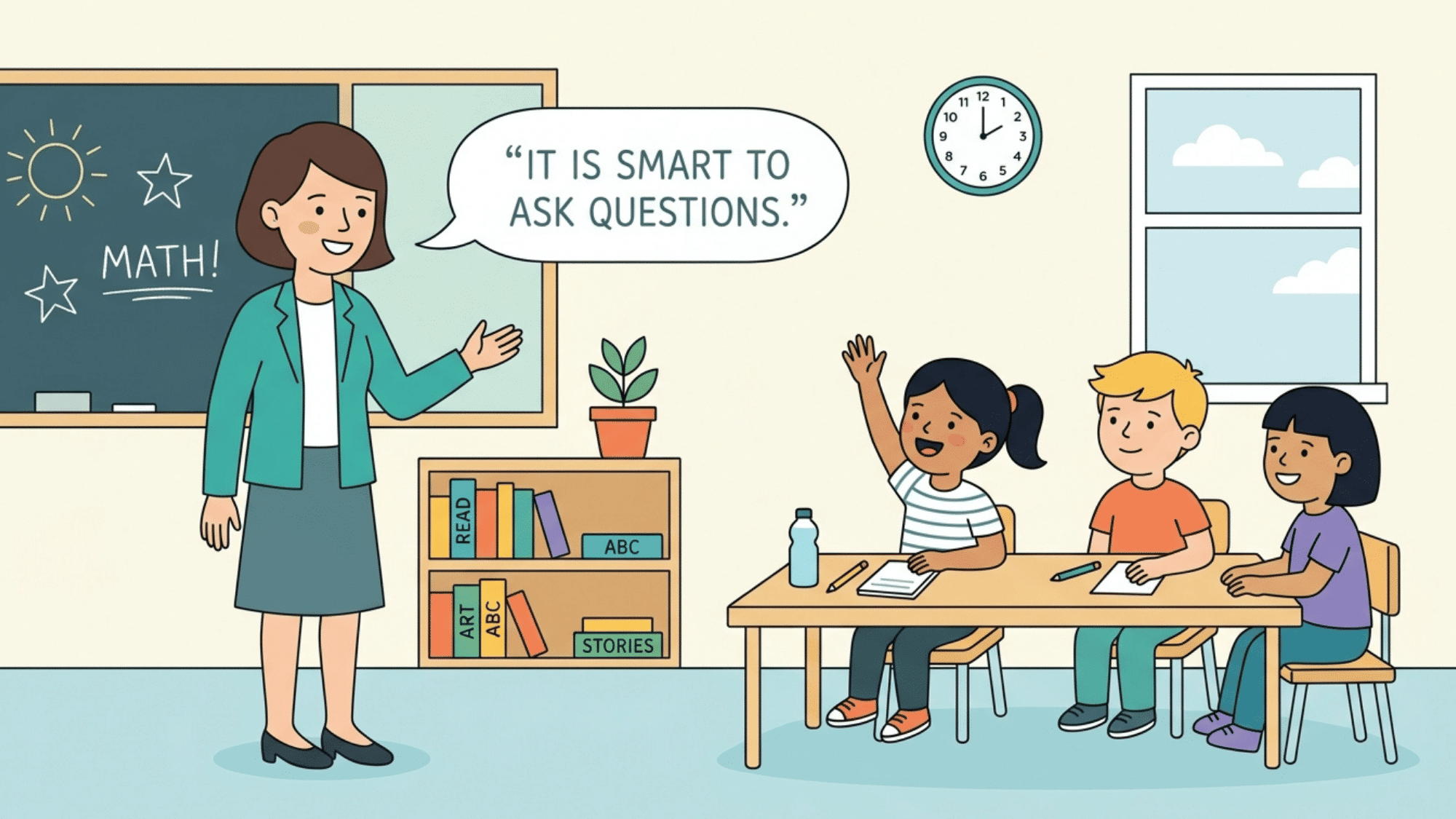
School support can recognize preparation, thoughtful questions, teamwork, steady practice, and improvement rather than focusing only on grades or final results.
- “You are ready to begin.”
- “Take the first question one step at a time.”
- “Your preparation is helping you feel ready.”
- “It is smart to ask questions.”
- “You stayed focused even when it was difficult.”
- “Your reading is becoming smoother with practice.”
- “You explained your answer clearly.”
- “You used feedback to improve your work.”
- “You can pause and check your steps.”
- “One hard problem does not define your ability.”
- “You contributed something useful to the group.”
- “Your notes show careful attention.”
- “You kept working instead of rushing.”
- “It is okay to ask the teacher for help.”
- “You prepared thoughtfully for this presentation.”
- “Speak slowly and share what you know.”
- “You do not need a perfect answer.”
- “Your practice matters more than one score.”
- “You handled that result with maturity.”
- “You can learn from what surprised you.”
- “You showed courage by joining the activity.”
- “Your creativity gave the project personality.”
- “You supported your classmates well.”
- “You stayed involved even when unsure.”
- “Tomorrow gives you another chance to practice.”
Growth Mindset Messages for Effort and Mistakes
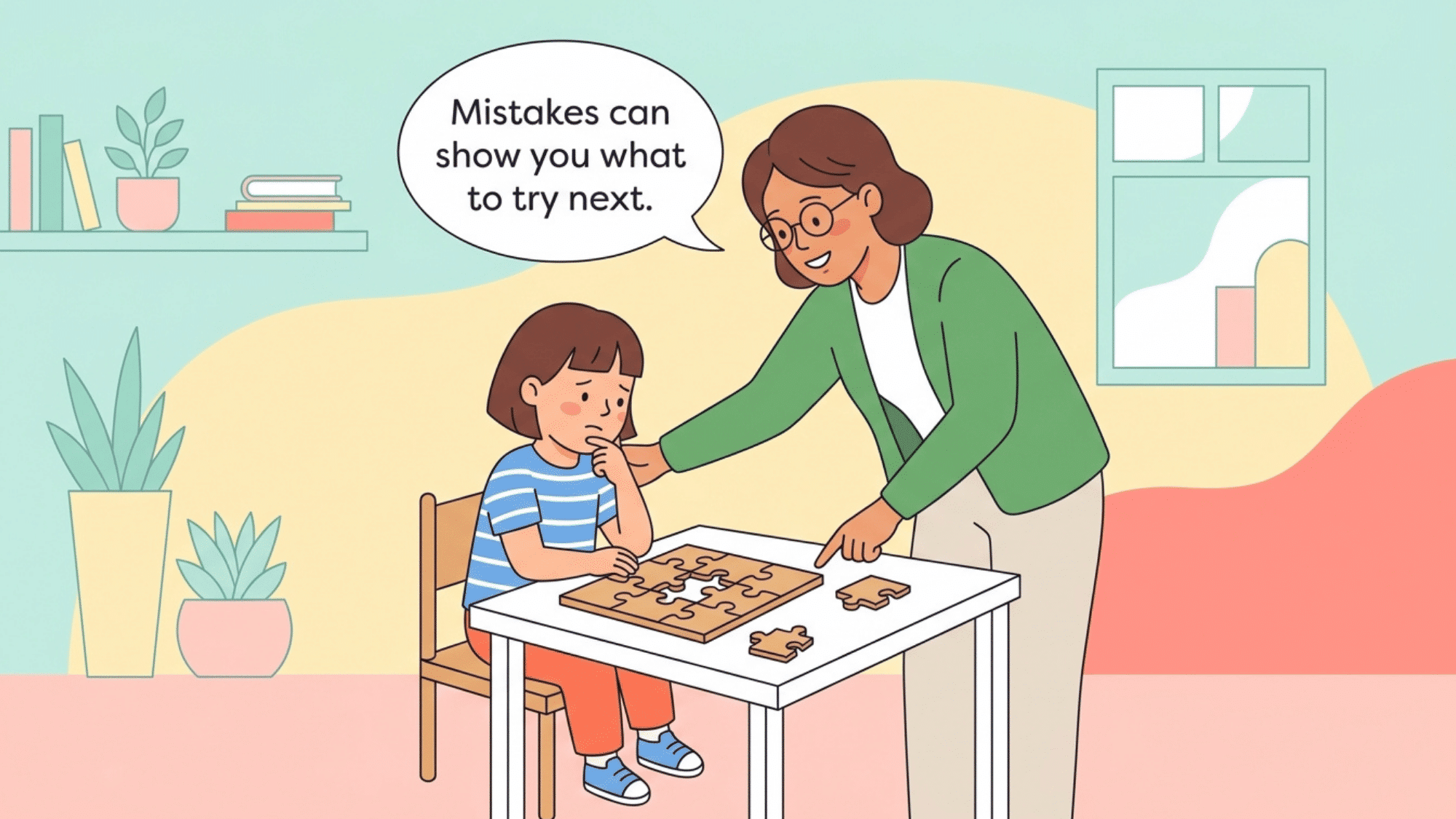
Kids don’t learn to love effort from a lecture, they learn it from the exact words we use in the moment they mess up.
- “You can learn this with time.”
- “Mistakes can show you what to try next.”
- “You have not mastered it yet.”
- “Try a different strategy and see what changes.”
- “Progress can be quiet and still count.”
- “You kept going longer than before.”
- “A break can help your brain reset.”
- “You can return when you feel ready.”
- “Practice is helping the steps feel familiar.”
- “You noticed what went wrong.”
- “That attempt gave you useful information.”
- “You can ask for a helpful hint.”
- “Start with the part you understand.”
- “One small step is enough for now.”
- “You changed your plan when needed.”
- “Feedback can help your next attempt.”
- “You are becoming more patient with yourself.”
- “Learning often takes more than one try.”
- “You worked carefully instead of giving up.”
- “Your improvement came from steady practice.”
- “You can be proud of trying something unfamiliar.”
- “Compare your progress with where you started.”
- “You found another way to solve it.”
- “Challenges help you practice new skills.”
- “Keep what worked and change what did not.”
Words of Encouragement for Kids for Difficult Days
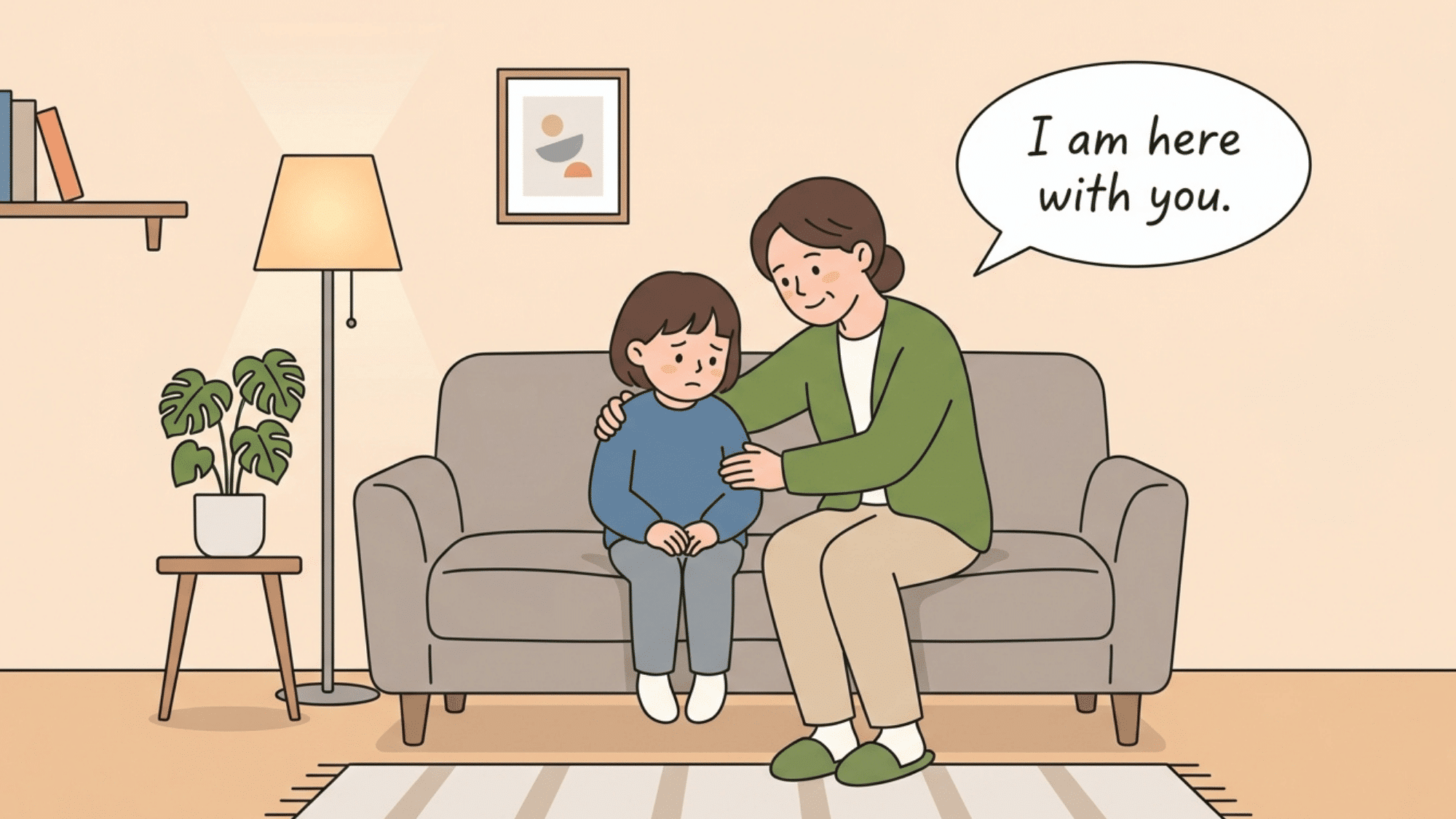
Children sometimes need comfort before advice. Calm language gives them room to feel upset without being rushed.
- “I am here with you.”
- “It makes sense that you feel upset.”
- “You do not have to talk immediately.”
- “We can take this slowly.”
- “One difficult day does not define you.”
- “You can feel disappointed and still move forward.”
- “Losing hurts when something matters to you.”
- “You are allowed to need a break.”
- “We can think about the next step together.”
- “You do not have to solve everything now.”
- “Your feelings deserve to be heard.”
- “That moment was hard, and you got through it.”
- “It is okay to miss someone.”
- “A changed plan can feel frustrating.”
- “You can try again when you are ready.”
- “Everyone feels embarrassed sometimes.”
- “You still belong, even after a disagreement.”
- “You can tell me what would help.”
- “Resting is not the same as giving up.”
- “Tomorrow can feel different from today.”
Encouraging Messages for Confidence and Self-Belief
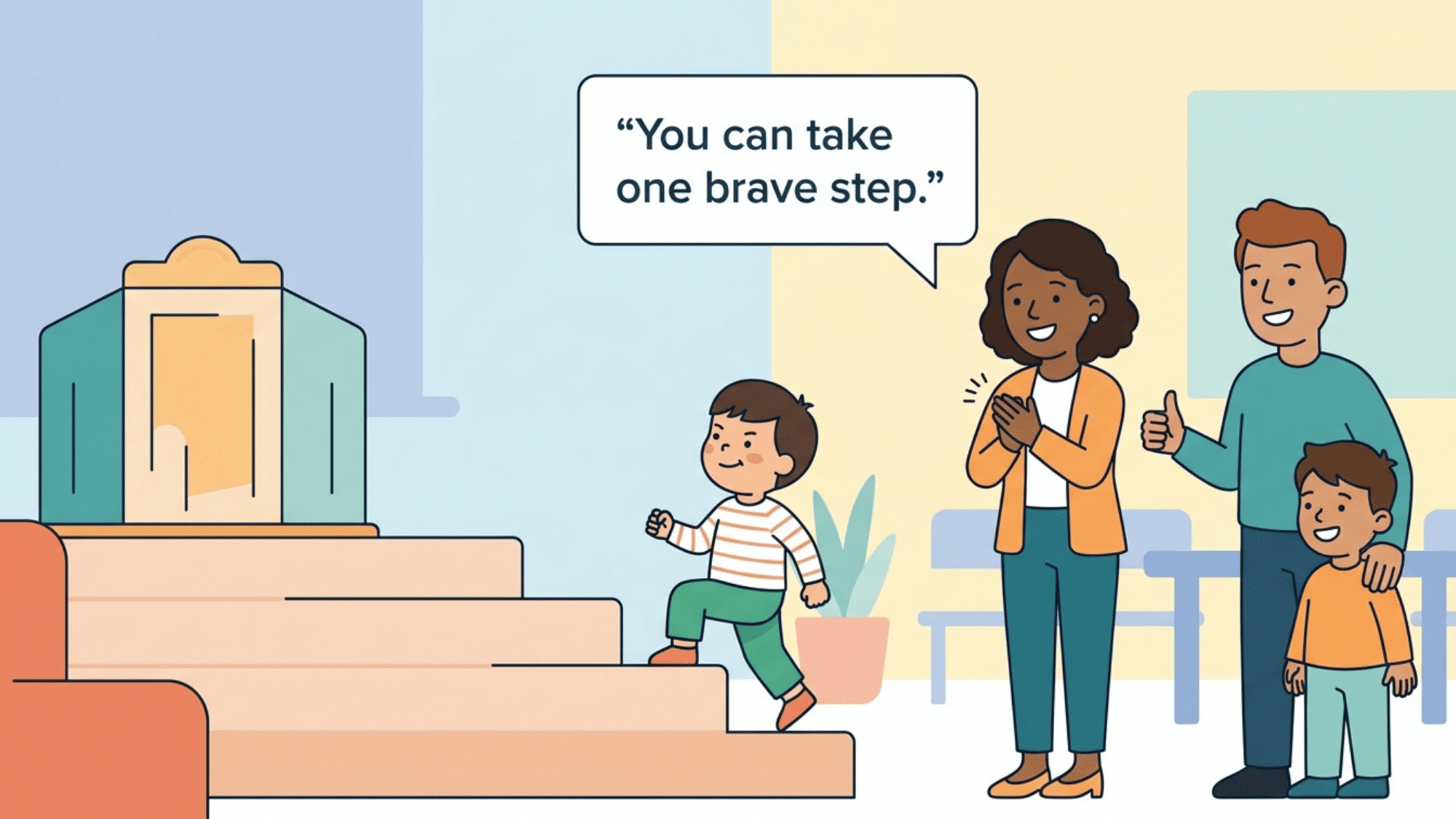
Confidence may look like asking for help, sharing an idea, setting a boundary, or taking one manageable step despite feeling unsure. These messages recognize quiet acts of courage.
- “Your voice deserves space.”
- “You can share your idea calmly.”
- “Feeling nervous does not mean you cannot begin.”
- “You are capable of making thoughtful choices.”
- “You can ask for what you need.”
- “Your strengths do not need to match anyone else’s.”
- “You belong in the room.”
- “You can take one brave step.”
- “It is okay to speak at your own pace.”
- “You can learn without comparing yourself.”
- “Your opinion is worth considering.”
- “You can say no respectfully.”
- “You know more than you think.”
- “Being quiet does not make you less important.”
- “You can enter slowly and look around first.”
- “Your differences are part of your strength.”
- “You handled that new experience with courage.”
- “You can trust yourself and still seek help.”
- “You deserve kindness from yourself too.”
- “Confidence can grow through small actions.”
Kind Words for Friendship, Teamwork, and Belonging
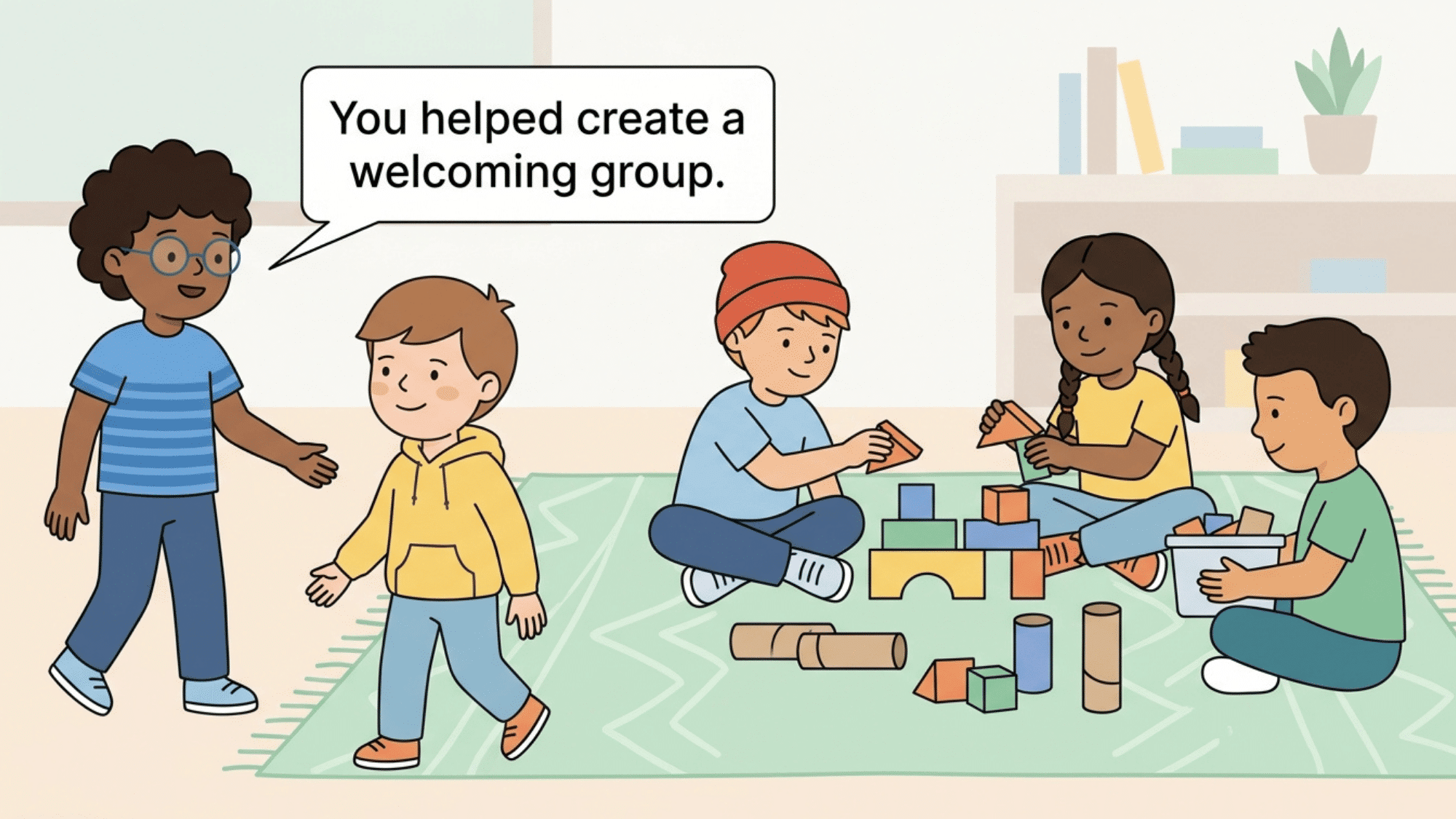
These messages encourage respectful friendships, fair cooperation, and a sense of belonging. They also help children value kindness, healthy boundaries, and the different strengths each person brings to a group.
- “You made space for someone else.”
- “Listening is a strong friendship skill.”
- “You can invite someone to join.”
- “A sincere apology can repair connection.”
- “You can be kind without agreeing.”
- “Good teammates encourage one another.”
- “You shared fairly and noticed others.”
- “You can ask before borrowing.”
- “Respect includes giving people space.”
- “You helped the group work together.”
- “You can leave a friendship that feels unsafe.”
- “Different interests can still build friendship.”
- “You included someone who felt left out.”
- “You can explain what bothered you calmly.”
- “Healthy friends respect your boundaries.”
- “You celebrated someone else’s success.”
- “You supported your teammate after a mistake.”
- “You do not need to change to belong.”
- “Kindness and honesty can work together.”
- “You helped create a welcoming group.”
How to Use Words of Encouragement for Kids in The Right Way?
Delivery matters when addressing a child. Encouragement feels sincere when it matches what the child did, felt, or experienced. Choose a few messages that sound natural, then match them with moments worth celebrating.
- Be specific: Mention the exact effort, choice, or kind action you noticed.
- Match the moment: Comfort an upset child before offering advice or solutions.
- Notice progress: Praise small improvements, not only final results or success.
- Keep it natural: Use simple, age-appropriate words that sound genuine.
- Avoid comparisons: Focus on the child’s actions and personal growth.
- Let them respond: Give children space to share their feelings or point of view.
- Use written notes: Add encouraging words to lunchboxes, cards, journals, or classroom boards.
Final Thoughts
Encouragement need not sound dramatic. A short sentence can show that a child’s effort, feelings, or kindness was noticed.
The best words of encouragement for kids feel believable, fit the moment, and leave room for a response. They recognize a child’s effort or feelings without adding pressure.
A few thoughtful words, shared at the right time, can become the small reminders children carry with them as they learn, grow, and understand their own strengths.