


Hiring a house cleaner is one of those decisions that always comes with a price check moment. And when that number hits $50 an hour, the first reaction is often to question whether it is actually worth it, especially if you already have a house cleaning schedule plan that works for your routine.
The reality is that cleaning rates are influenced by far more than most people realize, from location and home size to the type of service and level of expertise involved.
Getting the full picture first is what turns a confusing number into a decision that actually makes sense. This breakdown covers everything out need to decide whether $50 an hour is a smart spend or a step too far.
Is $50 an Hour Considered Expensive, Fair, or Cheap?
According to official data from the U.S. Bureau of Labor Statistics (BLS), the average hourly wage for maids and housekeeping cleaners is about $16–$17 per hour, with most workers earning between roughly $12 and $22 per hour depending on experience and location.
This means that when cleaning services are priced at $50 per hour, the rate is significantly higher than what cleaners actually earn, since businesses include overhead costs such as supplies, insurance, and other expenses, even when using methods like the 20/10 cleaning rule to manage your own cleaning efficiently.
From this perspective, $50/hour is generally considered above average but not unreasonable for professional services.
It reflects a market service rate rather than a worker’s wage, making it fair in many areas, especially when hiring insured companies or premium cleaning providers.
Factors that Affect House Cleaning Rates
House cleaning costs can vary widely depending on several key factors. Understanding these elements helps you determine whether a rate like $50 per hour is fair for your specific situation.
1. Location and Cost of Living
Cleaning rates are heavily influenced by where you live, as labor and living costs differ by region. Urban areas and major cities typically have higher prices than rural areas.
For example, cleaners in high-cost states charge more to cover rent, fuel, and wages. This is why the same service can cost significantly differently across locations.
2. Type of Cleaning (Standard vs Deep Cleaning)
The type of cleaning service you choose plays a big role in pricing. Standard cleaning includes routine tasks like dusting and vacuuming, while deep cleaning involves more intensive work.
Deep cleaning takes longer and requires more effort, which increases the hourly rate. Specialized services like move-out or post-construction cleaning can cost even more.
3. Home Size and Condition
Larger homes naturally take more time to clean, leading to higher overall costs. The condition of your home also matters; homes that haven’t been cleaned in a while require extra effort.
Clutter, stains, and buildup can significantly extend cleaning time. As a result, cleaners may charge higher rates or additional fees.
4. Frequency of Service (One-Time vs Recurring)
How often you schedule cleaning services affects the price you pay. One-time or occasional cleanings are usually more expensive per hour.
Recurring services (weekly, biweekly, or monthly) often come with discounted rates. Regular maintenance keeps the home cleaner, reducing the effort required each visit.
5. Experience and Professionalism of the Cleaner
More experienced cleaners or professional companies typically charge higher rates. They bring expertise, efficiency, and attention to detail that can justify the cost.
Licensed and insured companies also include overhead expenses in their pricing. Paying more often means better reliability and consistent results.
6. Supplies, Equipment, and Add-On Services
Some cleaners include supplies in their pricing, while others charge extra for them. Eco-friendly or specialized cleaning products can increase costs.
Add-on services like window cleaning, carpet shampooing, or appliance cleaning also raise the total price. Always check what’s included to understand the true value of the hourly rate.
House Cleaning Rates by State: Where Does $50/Hour Stand?
House cleaning rates vary widely across different states due to differences in wages, demand, and cost of living, which directly impacts whether $50 per hour is considered fair or expensive.
| State Category | Example States | Avg Cleaner Wage (Worker Pay) | Estimated Market Cleaning Rate | How $50/Hour Compares |
|---|---|---|---|---|
| High-Cost States | New York, California, Massachusetts | $17–$19/hour | ~$40–$80/hour | Fair to Good value |
| Mid-Range States | Texas, Illinois, Colorado | $15–$17/hour | ~$30–$60/hour | Slightly above average |
| Low-Cost States | Mississippi, Arkansas, West Virginia | $13–$15/hour | ~$25–$45/hour | Premium pricing |
| National Average | United States overall | $16.66/hour | ~$25–$60/hour | Around average |
What Services Should You Expect for $50 an Hour?
For $50 per hour, you can typically expect a thorough standard cleaning that covers essential household tasks and maintains overall cleanliness.
- General dusting of surfaces, furniture, and décor items throughout the home
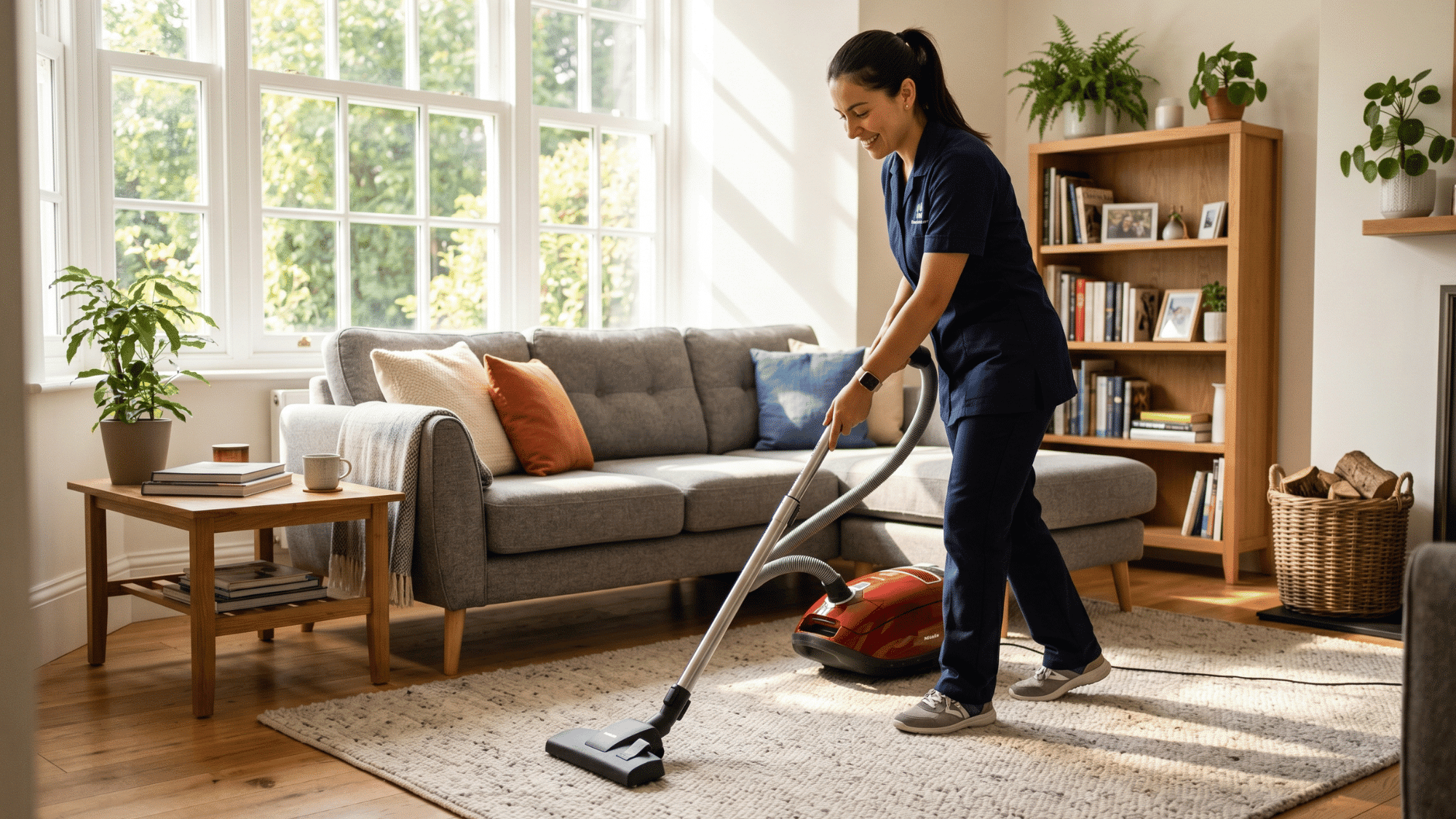
- Vacuuming carpets, rugs, and upholstery to remove dirt and debris
- Sweeping and mopping hard floors like tile, wood, or laminate
- Cleaning and sanitizing bathrooms, including sinks, toilets, and showers
- Basic kitchen cleaning, such as wiping countertops, stovetops, and exterior appliances
- Taking out trash and replacing liners in bins
- Light tidying and organizing, like making beds or straightening common areas
The Bottom Line
At the end of the day, $50 an hour for house cleaning is neither too much nor too little until the full picture is taken into account.
Location, experience, the size of the home, and the type of cleaning all play a role in determining whether that rate is fair, generous, or somewhere in between.
The most important thing is knowing what is being paid for and making sure the value matches the price. A clean home is absolutely worth investing in, and with the right cleaner at the right rate, every dollar spent is a dollar well worth it.