





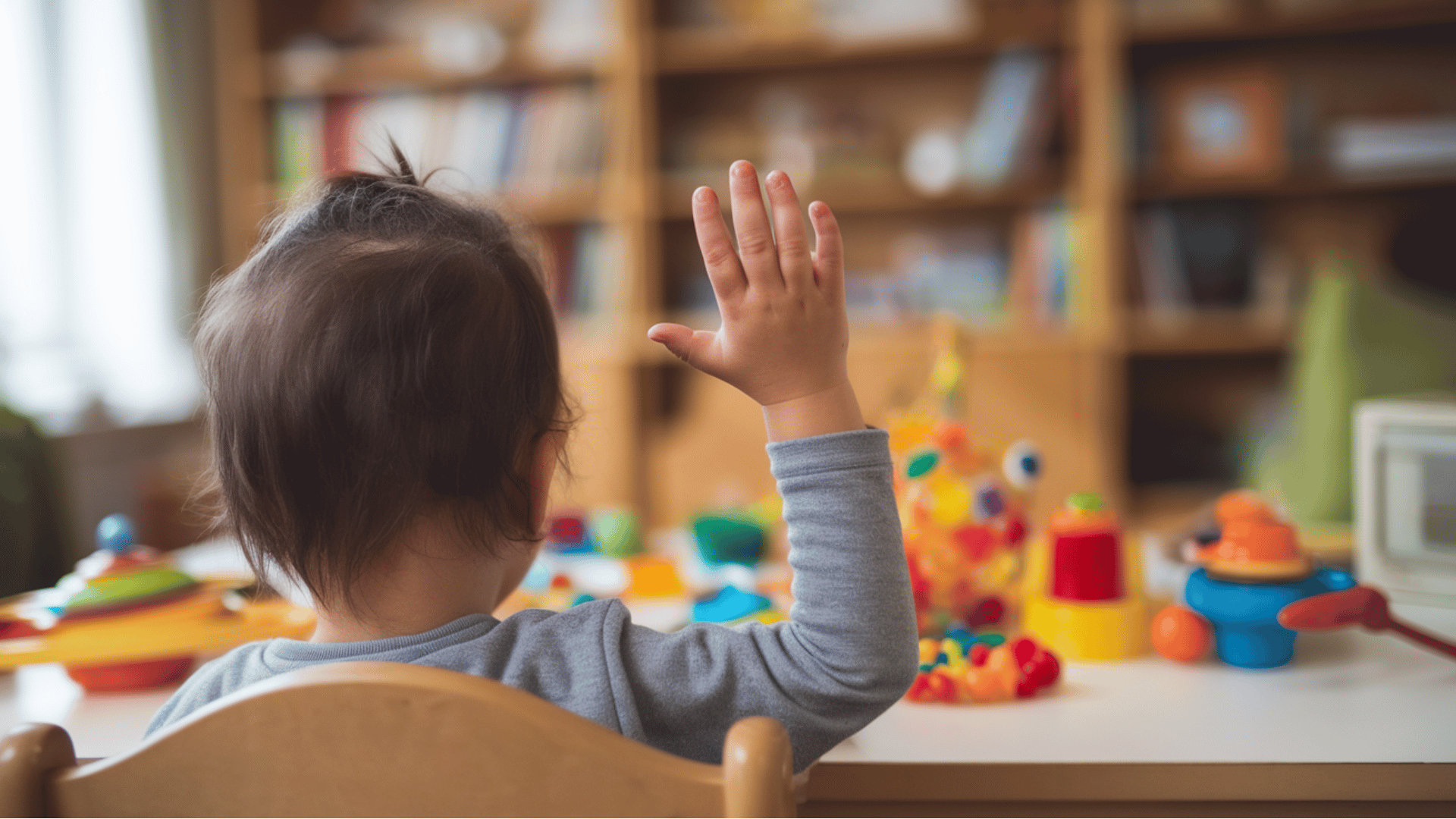
Confidence helps kids try new things, handle mistakes, and believe in themselves.
But confidence doesn’t just appear on its own – it grows over time with the right support. The good news is that parents and caregivers can help build it step by step.
In this guide, you’ll find simple and practical ways to help kids develop confidence so they can face challenges, express themselves, and grow with a positive mindset.
Understanding Confidence in Kids
Before looking for how to build confidence in kids, it’s important to understand what self-confidence looks like in children
Confidence is more than just feeling good about themselves – it’s about believing in their abilities, being willing to try new things, and not being afraid to fail. Building confidence early in life provides children with a solid foundation for personal growth and success.
When children have strong self-confidence, they are more likely to:
- Try new activities without fear of failure
- Form healthy relationships with peers
- Take responsibility for their actions
- Stay motivated through challenges
Strategies for Building Confidence in Kids

Building confidence in children is a gradual process that requires consistent support and encouragement. Here are effective strategies you can use:
1. Encourage Positive Self-Talk
One of the simplest yet most effective ways to build your child’s confidence is by teaching them to use positive self-talk. When faced with challenges, instead of saying, “I can’t do this,” encourage them to replace it with statements like, “I will try my best” or “I can improve with practice.”
Positive self-talk helps shift their mindset from doubt and fear to optimism and resilience. By changing the way they talk to themselves, children start to see challenges as opportunities for growth, not obstacles.
This shift in perspective fosters a sense of self-belief and empowers them to tackle difficulties with confidence and determination.
2. Praise Effort, Not Just Success
While celebrating achievements is important, it’s equally valuable to focus on the effort your child puts into tasks. Praise their hard work, persistence, and problem-solving skills, rather than only recognizing the outcome.
By doing so, you help them understand that success is not just about the result, but about the process and dedication behind it.
This approach fosters a growth mindset, teaching them that improvement comes through continuous effort and learning.
3. Allow Children to Take on Challenges
It’s natural to want to protect your child from difficulties, but facing challenges is crucial for building their confidence. Allow your child to take on tasks that push them slightly outside their comfort zone.
This might include trying a new sport, presenting in front of the class, or even making decisions about their daily routine. These experiences help them develop problem-solving skills and resilience.
When children succeed in overcoming challenges on their own, they gain a sense of accomplishment and strengthen their belief in their abilities. This empowerment boosts their self-esteem and prepares them to tackle future challenges with confidence.
4. Help Children Learn from Failures
Failure is often viewed negatively, but it’s actually a powerful opportunity for growth. Teach your child that mistakes are a natural part of life and an essential learning experience.
Instead of focusing on the disappointment of failure, encourage them to reflect on what went wrong and how they can improve. This process helps them understand that setbacks are not a reflection of their abilities, but a chance to grow and try again.
By viewing failure as a tool for building resilience, you help your child develop a healthy attitude toward challenges, boosting their confidence and encouraging them to keep persevering.
5. Set Realistic Goals and Celebrate Achievements
Help your child set small, achievable goals to give them a clear sense of direction and accomplishment. Whether it’s finishing a project, learning a new skill, or mastering a task, celebrating these milestones reinforces their progress. Recognizing their efforts with positive reinforcement boosts their self-esteem and motivates them to keep pushing forward.
By consistently acknowledging their achievements, you help them realize that success is attainable through hard work and dedication. This process fosters a sense of pride and encourages them to pursue even greater challenges, strengthening their belief in their own abilities.
Things That Can Hurt a Child’s Confidence
Just as certain actions help build confidence, some behaviors can unintentionally weaken a child’s self-belief. Being aware of these factors can help parents avoid habits that may affect their child’s confidence over time.
- Constant criticism: Frequent negative comments about a child’s mistakes can make them feel like they’re never good enough.
- Comparing them to others: Telling a child that someone else performs better can lead to feelings of inadequacy and self-doubt.
- Overprotecting them: When parents solve every problem for their child, kids miss the chance to develop independence and confidence in their abilities.
- Unrealistic expectations: Expecting perfection can create pressure and make children feel discouraged when they fall short.
- Ignoring their efforts: When effort goes unnoticed, children may feel their hard work doesn’t matter.
Professional Insights from Experts on Confidence Building
.png)
According to child psychologists, confidence-building in children doesn’t happen overnight – it’s a continuous process. Dr. Emily Kramer, a child development expert, advises that:
“Children need to feel that their efforts are valued, and their emotional needs are met to develop strong self-esteem.”
Dr. Kenneth Ginsburg, a pediatrician and resilience expert, emphasizes the importance of allowing children to take healthy risks.
He notes that when kids try new activities, make mistakes, and learn from them, they begin to trust their abilities and build lasting confidence.
Similarly, child psychologist Dr. Michele Borba highlights the role of encouragement. She explains that praising effort, persistence, and small improvements helps children develop a belief that they can grow and succeed with practice.
When to Seek Extra Help for Confidence Issues
While many confidence issues can improve with support and encouragement at home, some children may need additional help. If a child consistently struggles with self-belief, it may be helpful to seek guidance from a professional.
Consider seeking extra support if your child:
- Frequently calls themselves “stupid” or “not good enough.”
- Avoids new activities due to fear of failure
- Shows strong anxiety about school or social situations
- Gives up quickly on tasks they once enjoyed
- Appears withdrawn or overly self-critical
Conclusion
Building confidence in children is one of the best investments you can make in their future.
By encouraging positive self-talk, praising effort, allowing them to take on challenges, and creating a supportive home environment, you set them up for success.
Confidence is not just about succeeding – it’s about believing in their ability to try, grow, and learn.
Remember, the journey to building your child’s confidence is an ongoing one. Stay patient, stay supportive, and celebrate every step of progress along the way.