

A personalized home does not need to be filled with custom furniture or expensive artwork. Small, deliberate changes can make a room feel connected to your family, interests, and everyday routines.
The best approach is to work with what is already there. Look at your walls, furniture, lighting, textiles, and storage, then identify places where personal details can replace generic decor. This creates a home that feels collected over time rather than decorated all at once.
Turn Personal Photos Into Display Pieces
Family photos are an obvious choice, but they do not have to stay inside matching frames. Think about photographs as design material that can be organized by color, theme, season, or location.
One option is to create personalized photo books for specific trips, family milestones, holidays, or even everyday moments. Instead of storing them in a cabinet, stack two or three on a coffee table, console, or open shelf where they become part of the room.
Keep the covers coordinated with the surrounding space. Neutral covers work well in minimalist rooms, while brighter colors can act as accents. A collection can also be arranged by size so it reads visually like a deliberate design feature rather than storage.
Use Paint to Define Smaller Areas
Painting an entire room is not always necessary. A smaller painted section can add personality with less time, material, and commitment.
Consider painting:
- The back wall of a built-in bookcase
- A reading nook or desk area
- The inside of a closet
- A geometric section behind a bed
- Interior doors or trim
Color placement matters as much as the color itself. Darker shades can visually bring a wall forward, while lighter colors tend to make surfaces recede. If a room has an awkward architectural feature, a contrasting color can make it look intentional instead of something you tried to hide.
When painting or using adhesives and finishing products indoors, ventilation also matters. The U.S. Environmental Protection Agency notes that paints, varnishes, adhesives, and other household materials can release volatile organic compounds into indoor air. Its guidance recommends increasing ventilation when using products that emit VOCs.
Customize Textiles Instead of Replacing Furniture
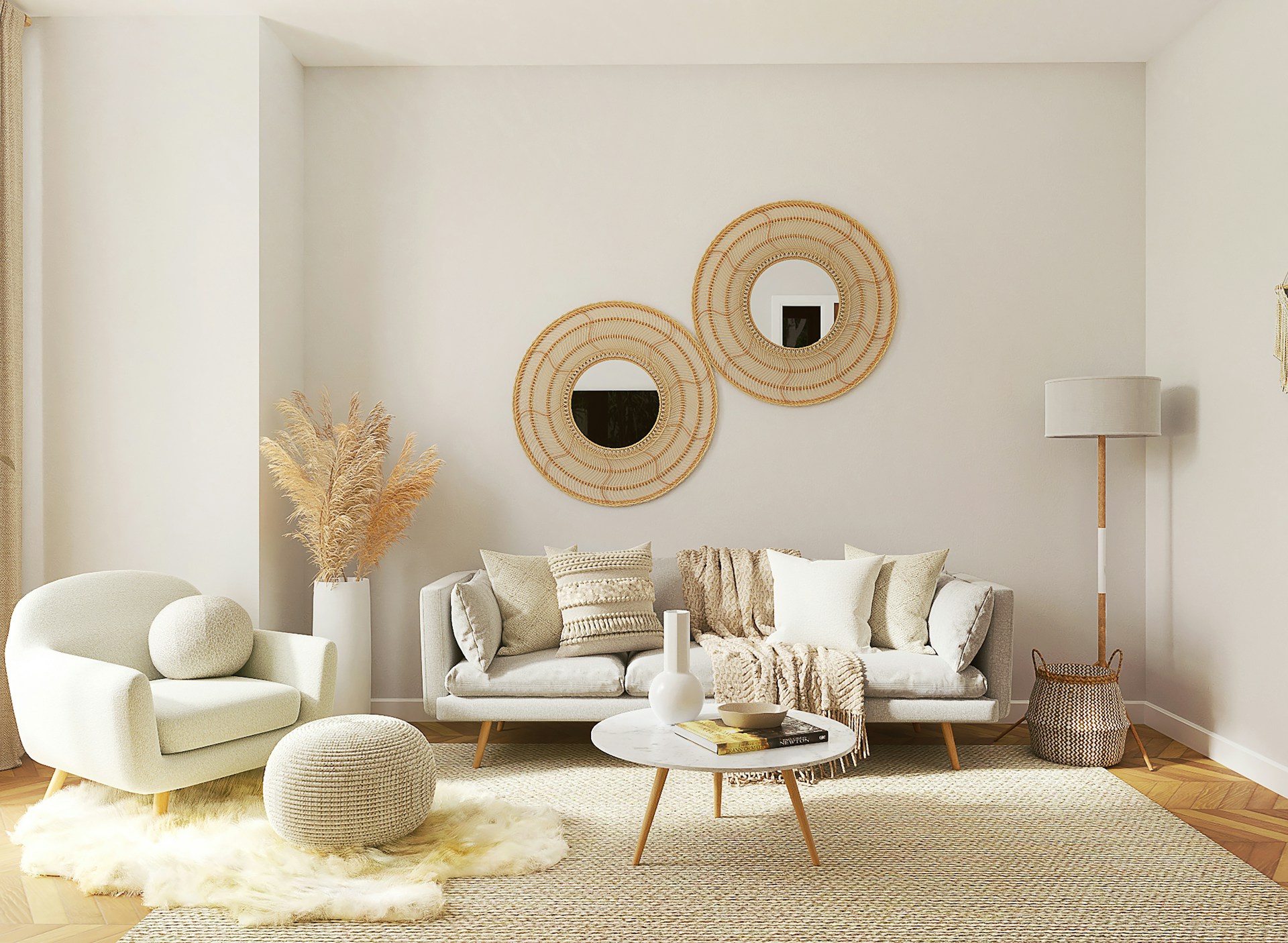
Textiles are one of the easiest ways to change the character of a room without replacing large pieces. A basic sofa can look completely different when paired with pillow covers, throws, and curtains that reflect your preferred colors and patterns.
For a more personal result, mix materials rather than buying a matching set. Linen, cotton, wool, velvet, and woven fabrics create different levels of texture. Repeating one color across several materials keeps the combination connected.
Add Handmade Details
Simple sewing or craft projects can make standard textiles feel custom. You might add fabric trim to curtains, embroider pillow covers, stencil a plain table runner, or sew fabric panels onto inexpensive storage baskets.
The goal is not to decorate every surface. Pick one or two repeating details. For example, the same green used in embroidered pillows can appear in a table runner or lampshade. Repetition makes handmade elements look intentional.
Upgrade Small Hardware and Fixtures
Cabinet knobs, drawer pulls, switch plates, hooks, and curtain hardware take up very little visual space individually, but together they influence how finished a room feels.
Before changing hardware, measure the existing hole spacing. Cabinet pulls are typically sized by the distance between the centers of their mounting holes. Matching this measurement lets you replace hardware without drilling new holes or repairing the old ones.
You can also personalize inexpensive furniture this way. A plain dresser can take on a completely different style with ceramic knobs, aged brass pulls, leather tabs, or painted wooden handles.
Create Displays From Things You Already Collect
Good home decor does not always come from a home decor store. Collections often make better displays because they already mean something to the people who live there.
Books, pottery, vintage cameras, travel souvenirs, records, small sculptures, or handmade objects can all work. Instead of scattering them around the house, group similar pieces together so the collection has more visual impact.
Use differences in height when styling shelves. Place taller pieces toward the back, smaller objects toward the front, and leave some empty space. Completely filling every shelf makes individual objects harder to notice.
Personalize the Lighting
Lighting changes both how a room functions and how its colors, textures, and artwork appear. Start with practical layers such as ceiling lighting, table lamps, task lights, and accent lighting.
Then add something less expected. Custom made neon signs can turn a family name, favorite saying, symbol, or simple graphic into a decorative light source. A smaller sign can work on a shelf or desk, while a larger piece can become a focal point above a console or in a game room.
Avoid placing a bright decorative light directly beside a television or computer monitor where competing light can cause visual distraction. It usually works better against a relatively uncluttered wall where the glow has room to spread.
Make Personalization Feel Intentional
The most effective personalized rooms have limits. You do not need to customize every object.
Choose a few elements that tell your story, then repeat related colors, materials, or shapes elsewhere in the room. A photo book collection, painted feature, handmade textile, meaningful display, and distinctive light can add far more personality than filling every available surface.
Personalizing your home works best when each addition has a reason to be there. The result is a space that still feels organized and functional, but clearly belongs to the people who live in it.