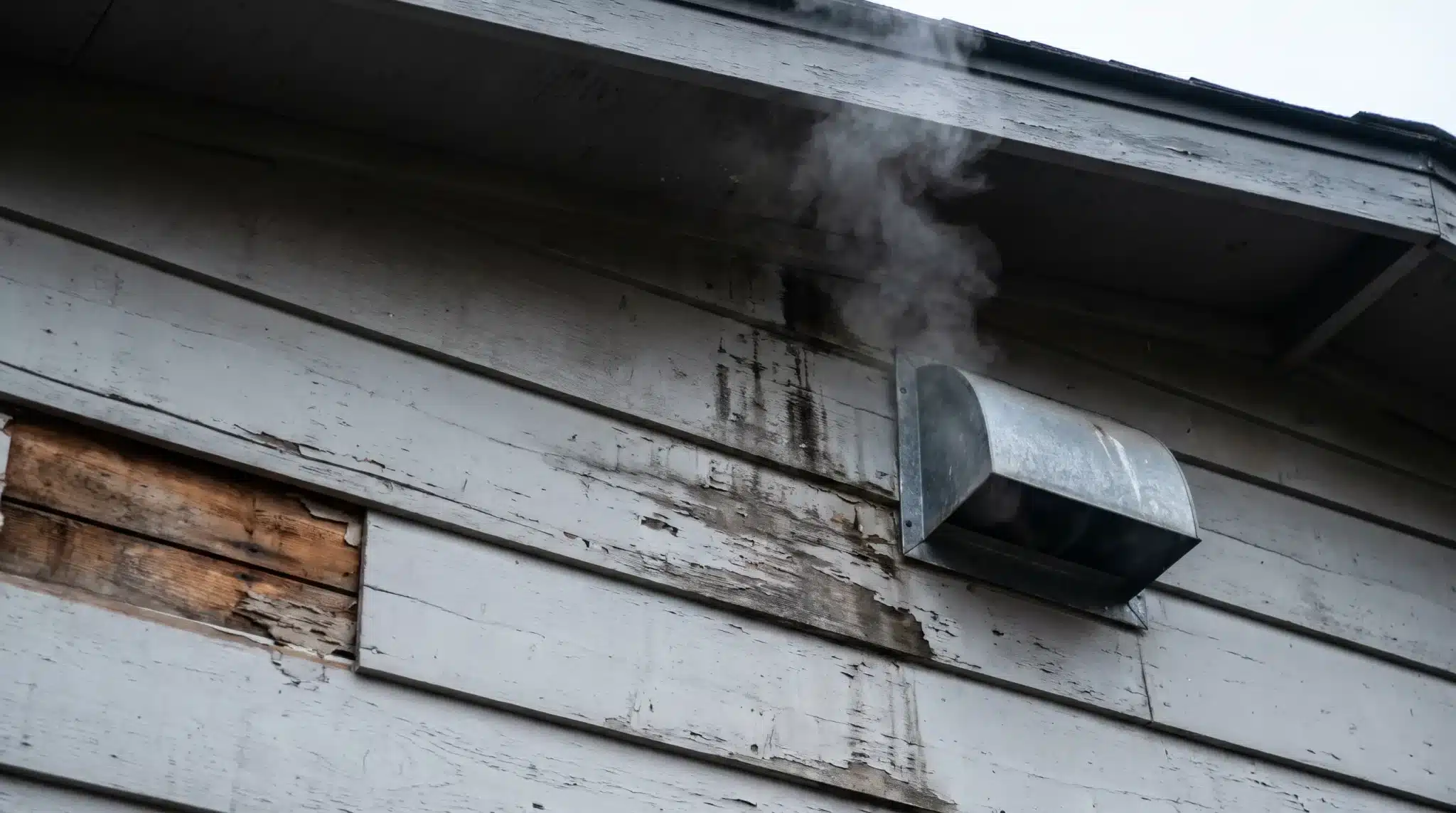
A bathroom renovation can leave a home looking cleaner, brighter, and more comfortable. New tiles, updated fixtures, and improved ventilation can make the space feel completely different. However, some homeowners discover an unexpected problem several months after the renovation: dark patches, peeling paint, or damp marks appearing on the exterior siding near the bathroom.
At first, the stains may seem unrelated to the renovation. The siding might be relatively new, and there may be no visible plumbing leaks or overflowing gutters. In some cases, the actual cause is warm, humid air escaping through the bathroom exhaust vent. If that air repeatedly reaches nearby exterior surfaces, condensation can develop and leave visible signs of moisture exposure. Understanding this connection can help homeowners identify the source before unnecessary exterior repairs begin.
Why Can a Bathroom Renovation Affect the Outside of a House?
Bathrooms produce considerable moisture during showers and baths. An exhaust fan removes humid indoor air and directs it outdoors through ductwork.
The system may appear simple, but its performance depends on several connected components, including the fan, duct route, and exterior termination.
Changes to Ventilation Can Affect Exterior Conditions
During a bathroom renovation, homeowners may replace an older exhaust fan with a newer model. The replacement might have a different airflow capacity or require changes to the existing ductwork.
If the duct remains connected to a poorly positioned exterior outlet, humid air may continue discharging against nearby siding.
The problem might become more noticeable after renovations because the new fan operates more frequently or moves more air than the previous unit.
However, a larger fan does not automatically create moisture damage. The outlet location, surrounding surfaces, and actual airflow determine whether condensation becomes a concern.
How Can Bathroom Exhaust Air Leave Stains on Siding?
Warm bathroom air contains water vapour. When that air reaches a sufficiently cold exterior surface, some of the moisture may condense into liquid water.
A single exposure may leave little evidence, but repeated condensation can keep the same area damp.
Condensation Can Develop Around Vent Outlets
Imagine a bathroom exhaust vent installed beneath a sheltered section of an exterior wall. During a long shower, humid air exits the vent and moves upward along the siding.
If the surrounding surface is cold enough, condensation may collect near the vent cover or on nearby trim.
Over time, repeated wetting can encourage dirt accumulation, surface staining, or deterioration of moisture-sensitive finishes.
The exact effects depend on the siding material, surface temperature, exposure, and how quickly the area dries.
Dark Stains Do Not Always Mean the Siding Is Damaged
Discolouration around an exhaust outlet may result from accumulated dust, moisture, or biological growth.
These marks do not automatically indicate that the underlying siding has deteriorated.
However, staining that repeatedly returns after cleaning deserves investigation, especially when accompanied by swollen trim, peeling paint, or persistent dampness.
Identifying whether the problem is limited to surface deposits or involves deeper moisture intrusion helps determine the appropriate response.
Why Does the Position of an Exterior Exhaust Vent Matter?
Bathroom ventilation outlets need suitable locations where discharged air can disperse without creating problems for nearby building components.
An outlet installed close to a wall corner, enclosed porch, or sheltered area may experience different airflow conditions from one positioned on an unobstructed wall.
Nearby Structures Can Restrict Air Movement
Walls, fences, roof overhangs, and architectural projections influence how outdoor air circulates.
When an exhaust outlet faces an enclosed or poorly ventilated space, moist air may linger near exterior surfaces instead of dispersing quickly.
Under suitable temperature conditions, this can contribute to condensation.
Vent placement should also account for nearby openings and air intakes to reduce the possibility of exhaust air entering the building again.
Manufacturer instructions and applicable ventilation requirements should guide the final location.
Can a More Powerful Bathroom Fan Make an Existing Problem Worse?
Homeowners often assume that installing a larger exhaust fan will automatically solve bathroom humidity problems.
However, fan performance depends on the entire ventilation system.
Duct Restrictions Can Affect Actual Airflow
A fan rated for higher airflow may deliver less air than expected when connected to long, narrow, sharply bent, or obstructed ductwork.
Poor connections and crushed flexible ducts can further restrict movement.
These conditions may leave excess humidity inside the bathroom even though the fan sounds powerful.
At the exterior outlet, actual discharge patterns depend on the duct arrangement and termination design.
A suitable fan should be selected with attention to the room’s ventilation needs and the duct system rather than capacity alone.
What Should Be Checked During a Bathroom Remodeling Project?
Bathroom renovations provide an opportunity to examine ventilation components that may otherwise remain concealed behind ceilings and walls.
Before installing new finishes, contractors should determine whether the existing exhaust arrangement is suitable for continued use.
Ventilation Routes Need Attention Before Walls Are Closed
Ductwork should lead to an approved outdoor termination rather than releasing humid air into an attic, wall cavity, or other concealed space.
Connections should be secure, and the duct arrangement should follow the equipment manufacturer’s instructions and applicable requirements.
During home remodeling services, coordinating ventilation changes with the existing building layout can help identify unsuitable duct routes or exterior outlet locations before new finishes make access difficult.
This is particularly relevant when the renovation changes ceiling layouts, fan positions, or nearby fixtures.
Exterior Conditions Should Not Be Overlooked
The interior installation may look correct while the exterior vent cover remains damaged or poorly positioned.
Checking the termination helps establish whether the discharged air can escape freely and whether the opening is properly protected against weather entry.
A renovation that improves indoor ventilation should not introduce avoidable moisture exposure elsewhere in the building.
How Can Moisture Affect Different Types of Siding?
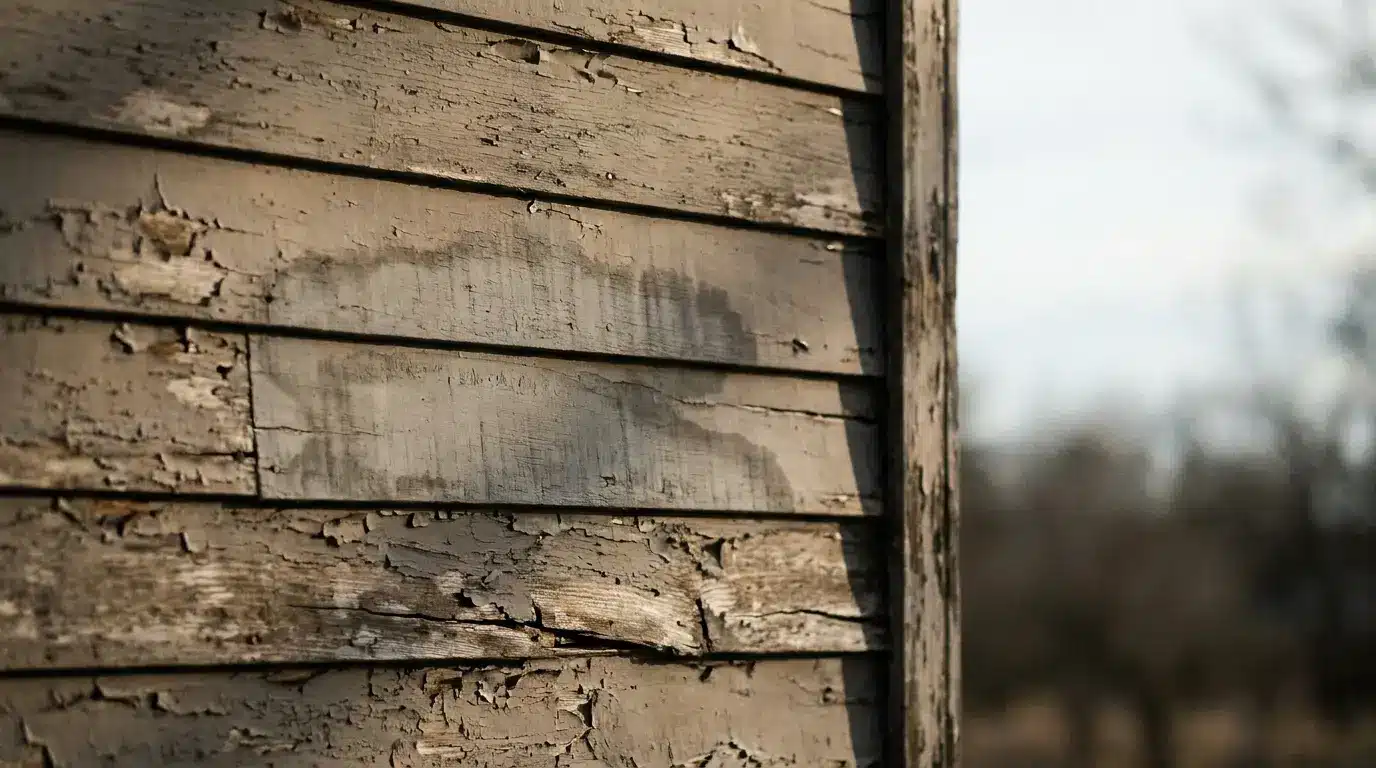
Exterior cladding materials respond differently to repeated wetting. Some materials are highly resistant to moisture, while others depend heavily on protective finishes and proper installation details.
The condition of the underlying wall assembly also matters.
Wood Siding Can Experience Finish Deterioration
Wood siding and trim can absorb moisture when protective coatings become damaged or when water remains against the surface.
Repeated wetting may contribute to peeling paint, swelling, or decay under prolonged unfavourable conditions.
Discolouration near a vent outlet should prompt examination of the wood and its finish, especially if the area remains damp.
Other Siding Materials Have Different Vulnerabilities
Vinyl siding itself does not rot like wood, but water can still reach materials behind it through poorly protected openings.
Fibre cement is designed for exterior exposure, yet installation clearances, coatings, and moisture-management details remain important.
The visible siding surface is only one part of the exterior wall. Problems may develop in trim, sheathing, or other concealed components even when the cladding appears largely unaffected.
What Happens When an Exhaust Vent Is Installed Incorrectly Through Siding?
Installing a vent through an exterior wall requires more than cutting an opening and attaching a cover.
The penetration must be integrated with the wall’s weather-resistant construction so rainwater cannot easily enter behind the siding.
Poorly Protected Openings Can Allow Water Intrusion
An improperly installed vent cover may leave gaps around its perimeter or interfere with the wall’s drainage details.
Wind-driven rain can reach these openings and enter vulnerable areas.
Over time, moisture may affect sheathing, framing, insulation, or interior finishes.
This type of damage differs from condensation caused by humid exhaust air, although both problems may produce stains near the same vent.
A correct diagnosis should consider the vent’s installation details as well as the surrounding airflow.
When Should an Exterior Wall Vent Be Repositioned or Repaired?
Not every stain requires major work. Some situations may be resolved through suitable cleaning and maintenance, while others require changes to the ventilation outlet or surrounding wall.
Repeated condensation, visible water entry, loose vent covers, or deteriorated cladding can indicate the need for closer assessment.
Repairing the Wall Requires Attention to Hidden Layers
When an exterior vent penetration has allowed water behind the siding, replacing the visible cover may not address damage already present.
The surrounding cladding may need to be removed carefully so the condition of the weather-resistant barrier and underlying materials can be checked.
Homeowners considering siding contractor services may require an evaluation of the affected wall section, particularly where staining appears alongside loose panels, softened trim, or recurring moisture.
The appropriate work depends on whether the issue involves surface condensation, a defective penetration, or damage within the wall assembly.
Moving a Vent Requires Proper Planning
Relocating an exhaust outlet can involve changes to ductwork, exterior cladding, and weatherproofing details.
The new position must satisfy relevant clearance and installation requirements.
Simply moving the outlet farther away without evaluating airflow and the building layout may fail to resolve the underlying problem.
How Can Homeowners Identify the Source of Exterior Stains?
The location and timing of discolouration can provide useful clues.
Stains that become more noticeable after frequent bathroom use may suggest a relationship with exhaust moisture, particularly during colder weather.
Marks that worsen mainly after heavy rainfall may point toward exterior water intrusion instead.
Homeowners can observe whether the vent opens and discharges air during operation without touching electrical components or dismantling the equipment.
They can also check for visible gaps, damaged covers, and changes in the surrounding finish from a safe location.
Where the cause remains uncertain, a qualified professional can assess ventilation performance and moisture conditions without relying on appearance alone.
Conclusion
A bathroom renovation can influence parts of a house that seem completely unrelated to the finished interior. Changes to ventilation equipment, ductwork, or exterior outlets may alter how humid air reaches surrounding surfaces.
Moisture stains near an exhaust vent can result from condensation, accumulated deposits, or rainwater entering through an improperly protected opening. Each cause requires a different response, making accurate identification more useful than immediately replacing discoloured materials.
Checking ventilation routes, protecting exterior penetrations, and investigating persistent dampness can help prevent small surface problems from developing into more serious wall damage. A successful bathroom renovation should improve indoor comfort while preserving the exterior materials that protect the rest of the home.