



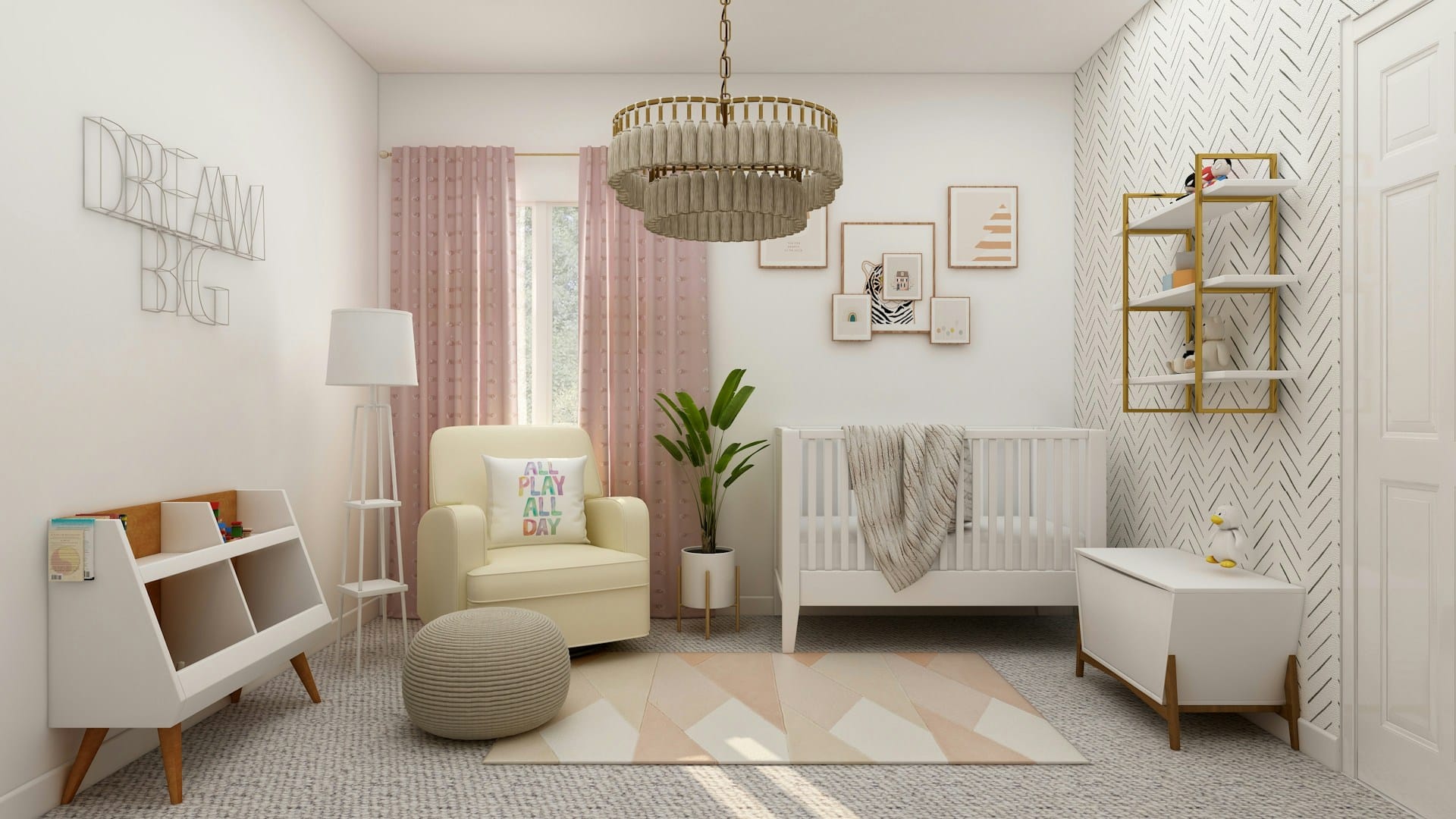
Creating a nursery for your first child is a rewarding journey. It is a space that balances beauty, safety, and practicality while growing with your baby through the early months and beyond. However, this process often comes with unanticipated costs that can add up quickly.
BabyCenter reports that parents face around $20,384 in baby-related expenses during the first year, with formula alone averaging $222 monthly. These costs account for roughly 31% of family income, creating significant financial stress. Moreover, nearly 9 in 10 mothers say money worries impact their mental health.
Despite these challenges, new parents are more than ready to shell out significant sums to create a nursery space. Thoughtful choices like neutral tones, smart storage, and cozy elements can make the room both functional and inviting without spending a lot.
This article will offer you some essential tips that will help you craft a nursery that serves everyday needs for rest, play, and care.
Avoid Clutter
New research cited by the New York Post revealed that half of Americans have at least one room in their home filled with clutter they consider beyond saving. A survey of 2,000 adults has stated widespread frustration with this issue. Imagine the feeling of bringing home a newborn and having an unorganized nursery waiting for you.
Even before you design the nursery, envision it as a clutter-free space. A decluttered nursery offers a sense of calmness and relaxation for everyone. Limit the number of toys, clothes, and decor to essentials, storing extras out of sight. Use baskets or bins under the changing table to keep surfaces tidy.
Regularly donate outgrown items to maintain order as your baby grows. Open space around the crib and play area makes daily care easier and safer. Less clutter also means less stress for parents. A decluttered space allows you to focus on bonding rather than tidying.
Choose a Gender-Neutral Palette
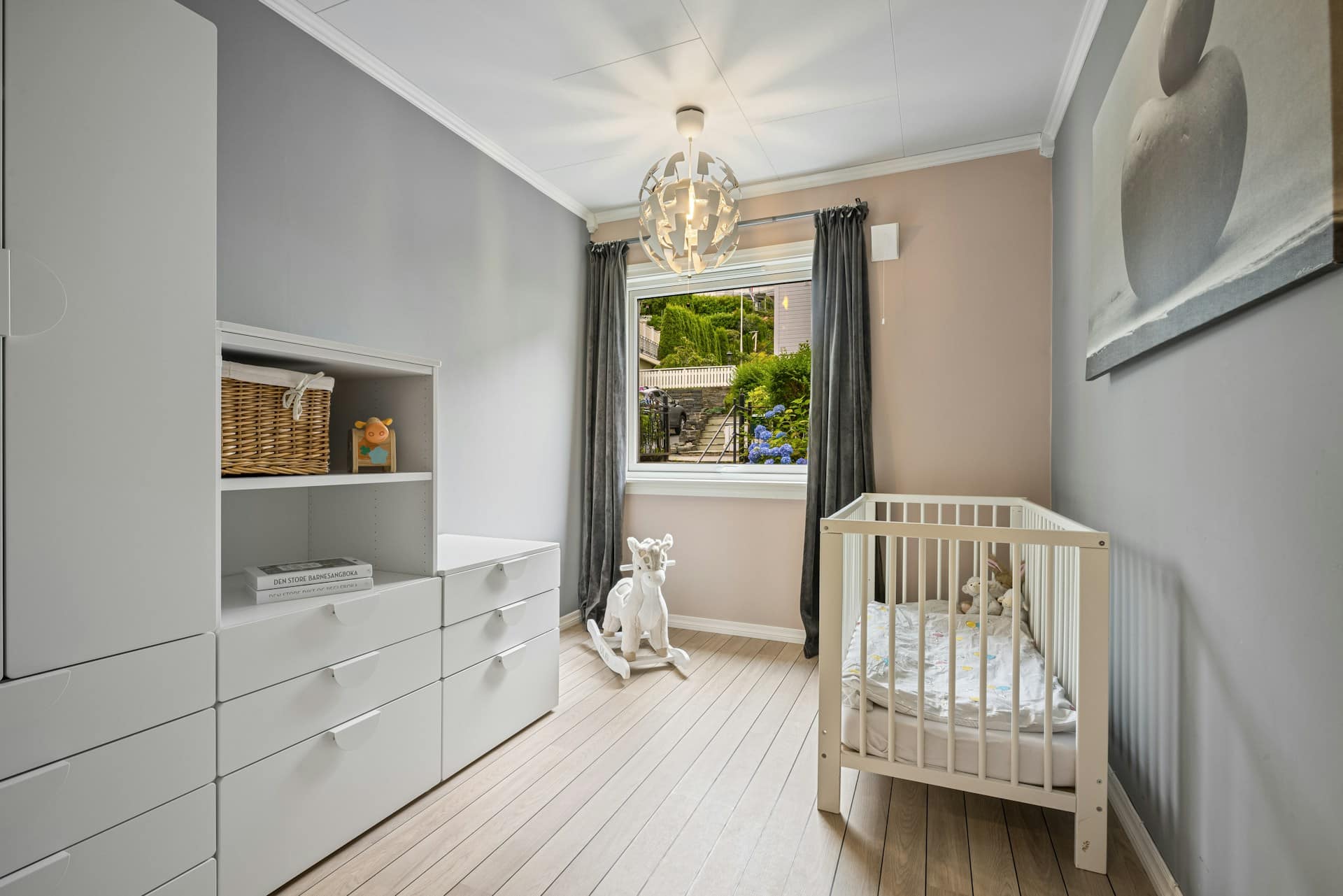
The color palette of a room defines its character. Consider gender-neutral hues like beige, gray, or pale green that suit any baby. These colors establish a soothing backdrop adaptable for future updates. You can also include subtle accents through bedding or wall art for personality without overwhelming the space.
Moreover, gender-neutral palettes grow with siblings or style changes, offering versatility. The Spruce noted that gender-neutral nurseries are always in demand. Seek a baby room design that blends seamlessly with your home’s overall style, or one that is suitable for raising a child without gender distinctions.
Skipping traditional pink-and-blue gender themes helps avoid nursery stereotypes. Moreover, this approach fosters a more unique, personalized space. Soft hues, in particular, help light reflect better, making the room feel brighter and more spacious.
Prioritize Safety
Safety is the topmost priority in every decision for your baby, including the nursery design. Keep the potential risks in mind before visualizing it. Secure furniture to walls, use cordless blinds, and ensure outlets have covers. Also, select a firm crib mattress and keep pillows or blankets out until the baby is one year old.
Smooth edges on changing tables prevent bumps, and non-slip rugs avoid slips. These steps follow AAP guidelines, giving you confidence during night feeds or playtime. Risks abound in everyday items, including baby formula. The ongoing NEC lawsuit highlights how parents should be cautious with daily choices.
According to TorHoerman Law, cow-milk-based baby formula has been linked to Necrotizing Enterocolitis (NEC). Parents are filing lawsuits alleging that formula manufacturers increased the risk without proper warnings. The more aware you are, the better choices you make for your little one, from the formula you feed to the space you design for them.
Ensure Comfort
Comfort is a vital element of nursery design, as it supports proper relaxation, sleep, and feeding for babies and parents. Start by selecting breathable cotton bedding in layers for temperature control. A glider or rocking chair with cushions eases long nursing sessions for new moms.
Soft rugs underfoot warm bare feet during diaper changes and offer comfort when the baby starts crawling. Dimmable lights and white noise machines make a restful vibe. Add breathable swaddles and sleep sacks for secure, cozy rest. These touches make the nursery a nurturing haven.
Personalize the space with soft wall art, a mobile above the crib, or a few meaningful keepsakes to make it feel uniquely yours. These gentle finishes spark early curiosity without overwhelming the senses. They also create lasting memories as your baby grows, turning the nursery into a cherished family spot that evolves over time.
Get Creative with Storage
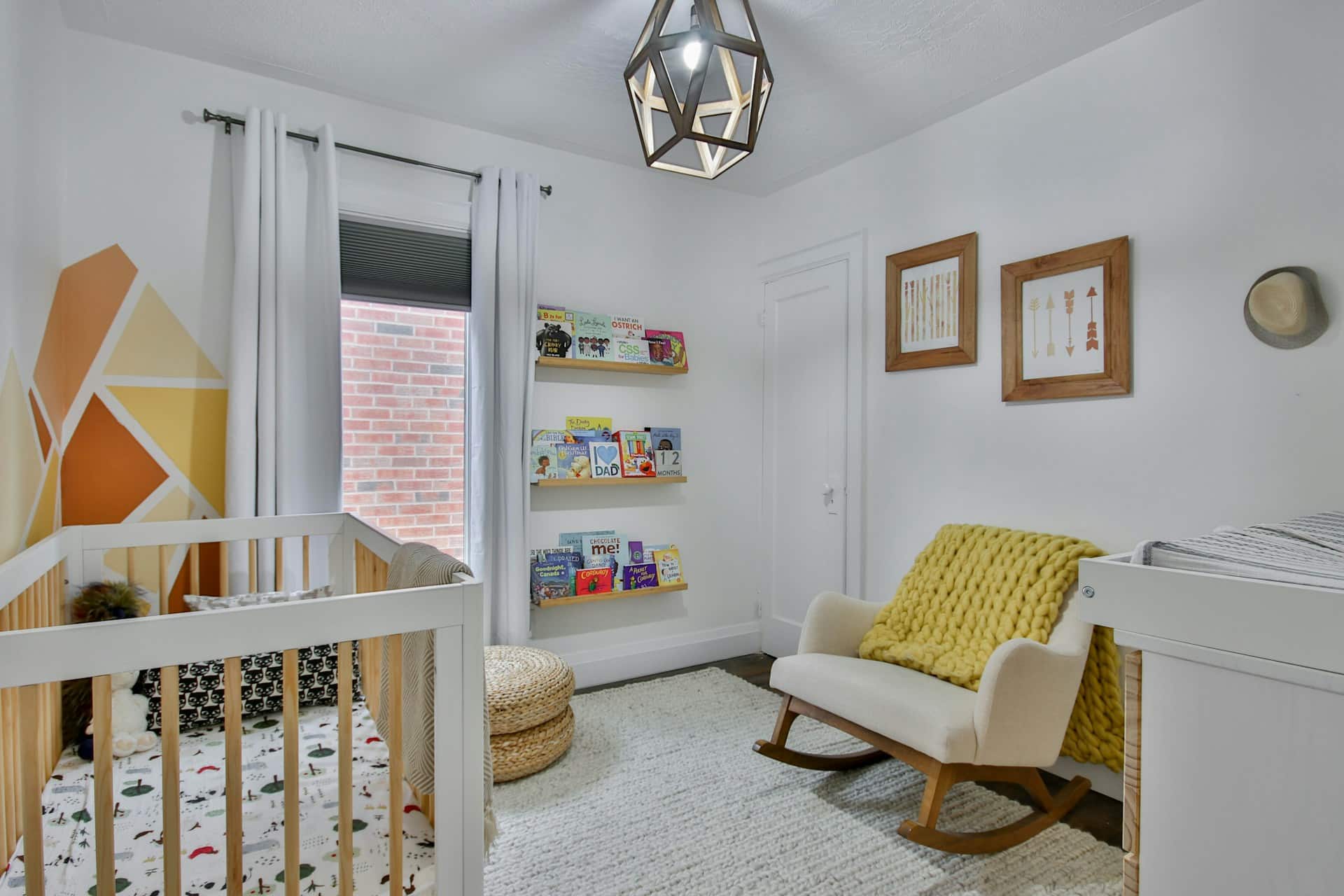
Better Homes & Gardens noted that babies bring plenty of stuff like toys, books, clothes, and shoes. These can quickly turn into clutter without proper management. Giving everything a specific storage spot ensures items stay tidy and out of sight when not in use.
Efficient and novel nursery storage solutions maximize small spaces without sacrificing style. Wall shelves, over-door organizers, and under-crib drawers hold diapers, wipes, and outfits neatly. Hanging fabric pockets near the changing station keep lotions accessible.
Mark the bins for quick grabs during fussy moments as your baby grows into a naughty toddler. Multi-use items like dressers with changing pads serve dual purposes over time. Creative solutions keep essentials handy while preserving a tidy, breathable room.
FAQs
How to create a nursing nook in your baby’s nursery?
Carve out a quiet corner with a soft glider, a side table for water and burp cloths, and a calming lamp. Add a basket for nursing pillows and books. Face it toward a window for calm views, or use a room divider for privacy. Place it near the crib for easy access. This setup streamlines feeds and turns into a reading spot later.
When should you have a nursery ready for your newborn?
You should have a goal to finish by 36 weeks of pregnancy, with major setup by 32 weeks. This gives time for tweaks without a last-minute rush. Begin around 20 weeks to spread tasks. Babies can arrive early, so prioritize crib and basics first. A ready nursery decreases newborn stress.
Should a newborn sleep with their parents?
Newborns should share the room but not bed-share for safety. Place a bassinet or crib next to your bed for easy feeds and monitoring. AAP recommends this for up to six months or one year to cut SIDS risk by up to 50%. You should place the baby in their sleep spot after comforting.
A well-designed nursery sets a strong foundation for your family’s early days. Following these tips helps you create a space that adapts as your child grows. These practical steps blend aesthetics with function, easing the transition into parenthood.
Even the simplest alternatives, like smart storage and cozy corners, make daily routines smoother and more joyful. Your nursery becomes more than a room. It is like a supportive haven that nurtures rest, play, and precious moments for years ahead.