Even the simplest items in a home drawer can reveal so much about the home and the person who lives there. You’ll find the usual items stacked on top of each other, plus the ‘leftovers’: cables and plastic bags, obsolete items like old versions of office stationery, and even items you bought but never used. Then there are all the correspondence items that have been put in a drawer somewhere and never looked at!
By innovating your home organization, you can identify which items are worth bringing to your new home and where to store them best to maximize use and make your life easier once you move.
Let Your Old Home Show You What Needs to Change
Before you take down the shelves, identify the problem areas in your current home. Are your household documents spread across the dining table because you have no suitable storage? Are your shoes spread all over the hallway because the ones you do have in a shoe rack are jammed in, too tight, or in a spot no one walks past?
Looking at clutter patterns in your home gives valuable insight into how your household functions. Most home organization problems stem from storage locations that need to be filled, requiring too much effort to put things away. That means too much work moving other objects, opening containers, or going to a different room to put something away.
Make a list of problems you would like to solve in your new home and work from there. For example, are your cleaning supplies too high on a shelf? Do you search all around for breakfast items because you store them in too many places? Are all your coats piled up at your home’s entrance? It’s easy to set up systems to solve these problems.
Decide What Deserves Space in Your Next Home
While boxing up your belongings can encourage you to make some decisions about them, it is easy to get stuck in the ‘putting it off until later’ mindset and pile it all into the removal van with the best of intentions. Then you bring them all into your new home and struggle to unpack them while trying to sort them out.
It is also worth thinking about the activities you do and the things you use regularly, and how they could be stored in your new home. For example, food and the containers it is stored in could go on a shelf in the kitchen, near where meals are prepared. Store a towel in a bathroom, near where you use it. Put items you use daily in easily accessible places.
A large shelf may have the capacity to hold lots of items, but in a small house this may mean the rooms feeling cluttered and restricting your ability to move around freely. Similarly, items that you already have in abundance at home may not be needed in your new home, especially if it has very limited storage for kitchen items. Don’t rush out to buy storage solutions such as baskets and drawer dividers until you have measured the space and decided what you will keep and what you will throw away.
Make Packing Part of Your Organization Plan
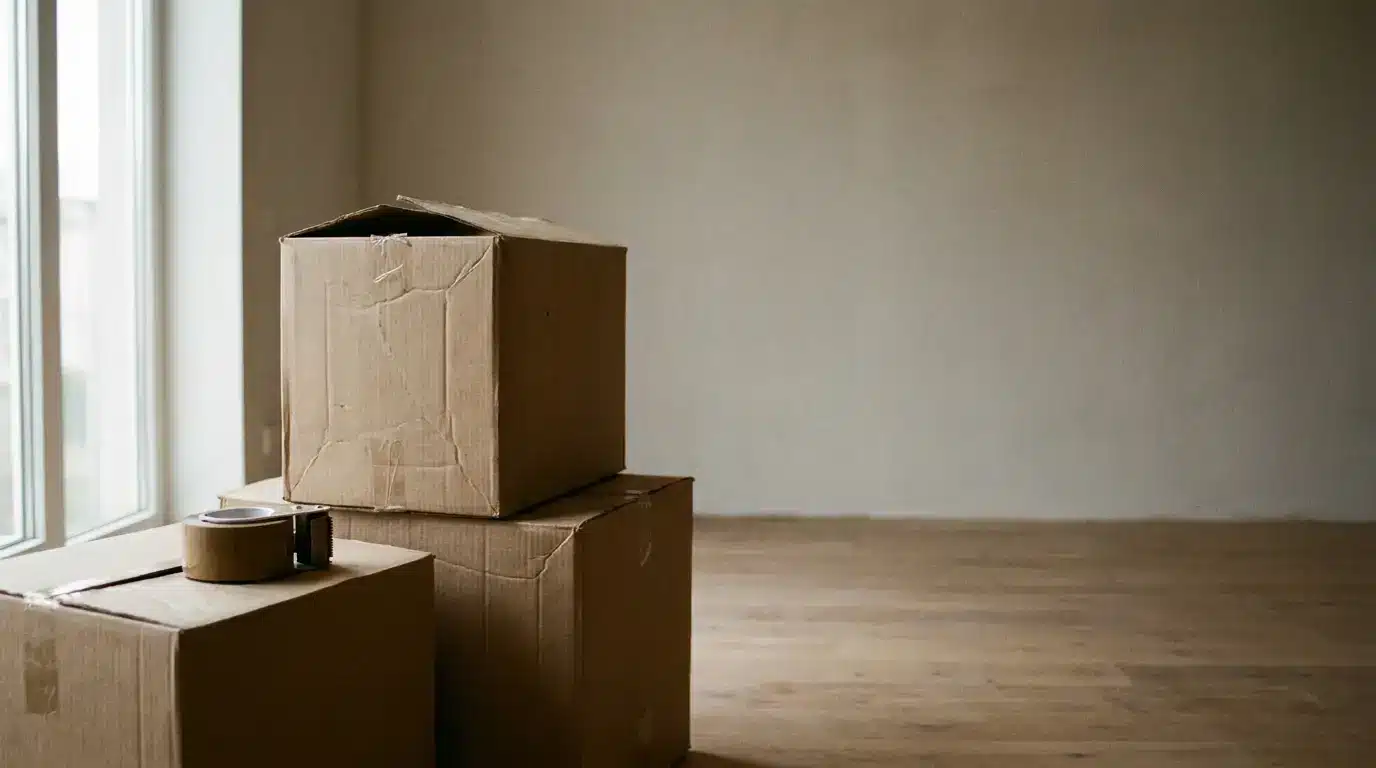
As you decide what to take with you to your new home, consider how you can use packing to organize and prepare your possessions for your new home’s layout. For example, pack all household documents currently scattered around your dining table into one or more boxes so you can move them as one unit to your new dining area and put them away in the newly organized space.
Label each box, especially the essential ones with things like bedding, toiletries, etc. Even if the box contains “kitchen items” instead of “Kitchen: everyday plates and bowls,” this will give the moving crew an idea of where these items should be put.
This planning matters whether you pack independently or arrange professional assistance. When comparing the best full-service movers, discuss how packing options, room labels and delivery arrangements could support your intended setup. Confirm which services your selected package includes and communicate any priorities before moving day.
A simple plan for organizing rooms can also help when moving furniture into your new home. Labeling the moving boxes in the new home helps to unpack them in the right place. Handy storage solutions can make a big difference between an organized and a cluttered home.
Give Everyday Routines the Most Convenient Space
Many people move and immediately set up the new home as if it were their previous one. However, the opportunity to set up your home the way you want it organized is a big one and shouldn’t be wasted. You will notice where you usually do things in the new home too, and you can set up the spots where you want to do things in the new home as well.
Pack frequently used items close to where tasks are performed, i.e., food preparation containers near where food is made, toilet towels near the bathroom, keys, bags, etc., near the front door to stop them spreading around the house.
Don’t overcomplicate storage by packing items deeply into a cupboard, as this makes return journeys harder than they need to be. Store items so they can be easily returned after use.
So too with Shared Spaces within the Home. Organize them so ALL family members can maintain their space without too much conflict. A good system of locations for frequently used items, and high shelves for less frequently used items that still need to be accessible, will help.
Treat the First Few Weeks as a Trial Run
You can’t possibly anticipate all the storage needs your new home will have, but there’s nothing like being in the house for a few weeks to understand where you go in and out of the house, where you will put the laundry, and if your new kitchen is good for making meals.
Be prepared to make some temporary choices. A temporary storage arrangement can be just as useful as a permanent one. A basket in the hallway, for example, can end up being very useful, even if it was only left there temporarily. Storefronts and retail display products, such as shelf-edge display units, can also be used in the interim to display storage solutions or other home products.
Consider the reason behind the clutter and see whether a container or sorting device in a convenient location can solve it. For example, if mail is piling up next to the sofa, you may need a sorting tray in the same general area. Glasses or laundry left outside the wardrobe where they were packed may mean the wardrobe is too full or in the wrong location.
Schedule a short set of daily tasks to reset misplaced items over the weeks, and review and adjust as needed to build lasting habits and avoid introducing ‘funky’ ways of organizing.
Building a Home to Be Organized
Moving to a new home is an opportunity to reassess how you manage your belongings on an ongoing basis. Emptying drawers and packing cupboards gives you a chance to assess what you keep and where you store it. With practical locations for everyday items, an organized home is within your reach.