


Choosing the right building materials can make a big difference in how a home improvement project looks, performs, and holds up over time. Whether you are updating an outdoor area, improving your driveway, or working on another part of your property, the materials you choose should suit both the project and the conditions around your home.
A good material should do more than look attractive. It should be practical for the space, appropriate for the local climate, and suitable for the amount of use it will receive. Taking time to compare your options before starting can help you avoid unnecessary repairs and create a finished project you will enjoy for years.
Consider How the Space Will Be Used
Start by thinking about the purpose of the project. Materials that work well for a decorative garden feature may not be suitable for an area that receives heavy foot or vehicle traffic. A driveway, for example, needs a surface that can handle the weight of vehicles and regular use. When comparing your options, consider different contractors that offer services such as Aviara Pavers driveway installation, along with the materials and methods they use.
Think about who will use the space and how often. An outdoor walkway may only need to handle people walking across it, while a patio may need to accommodate furniture, gatherings, and changing weather conditions.
For any project, consider:
- How much traffic will the area receive?
- Will people, vehicles, or both use the space?
- Will the material be exposed to weather?
- How much maintenance will it require?
- Does the project need to withstand heavy or frequent use?
Answering these questions early can help you focus on materials that make sense for the space.
Look at Durability and Maintenance
Durability is one of the most important factors when selecting building materials. Outdoor surfaces are exposed to sunlight, rain, temperature changes, dirt, and everyday wear. Choosing materials that are designed for the conditions they will face can help reduce repairs and replacement costs later.
Maintenance should also be part of the decision. Some materials require regular sealing, cleaning, painting, or other care to keep them looking their best. Others may need less attention after installation. Consider how much time you are willing to spend maintaining the finished project before making your choice.
It is also worth considering how the material handles minor damage. Some surfaces can be repaired in sections, while others may require more extensive work. Understanding these differences can help you choose an option that fits your long-term plans.
Match Materials to Your Home
A new project should feel like part of the property rather than something that was added without consideration. Look at the colors, textures, and materials already used around your home. This includes your exterior walls, roof, landscaping, walkways, and other hardscaping features.
For example, if your home has a traditional exterior, natural-looking materials may complement it better than an overly modern finish. If your property has a contemporary design, clean lines and simple textures may create a more cohesive appearance.
You do not have to match every material exactly. Instead, look for colors and textures that work well together and create a balanced overall look. Even small differences in tone or texture can change how a finished outdoor area feels.
Think About Your Local Conditions
The environment around your home can affect how building materials perform. Consider how much sun, rain, moisture, and temperature variation the area receives. Materials should be selected with these conditions in mind, particularly for outdoor projects.
Drainage is another important consideration. Water that collects around a surface can contribute to staining, erosion, cracking, or other problems. Before choosing materials, consider how rainwater will move through and away from the area. Proper preparation and installation can be just as important as the material itself.
If your project is outdoors, think about how the space will look and perform throughout the year. A material that looks great when newly installed should also be practical during rainy periods, intense sunlight, and other seasonal changes.
Compare Different Material Options
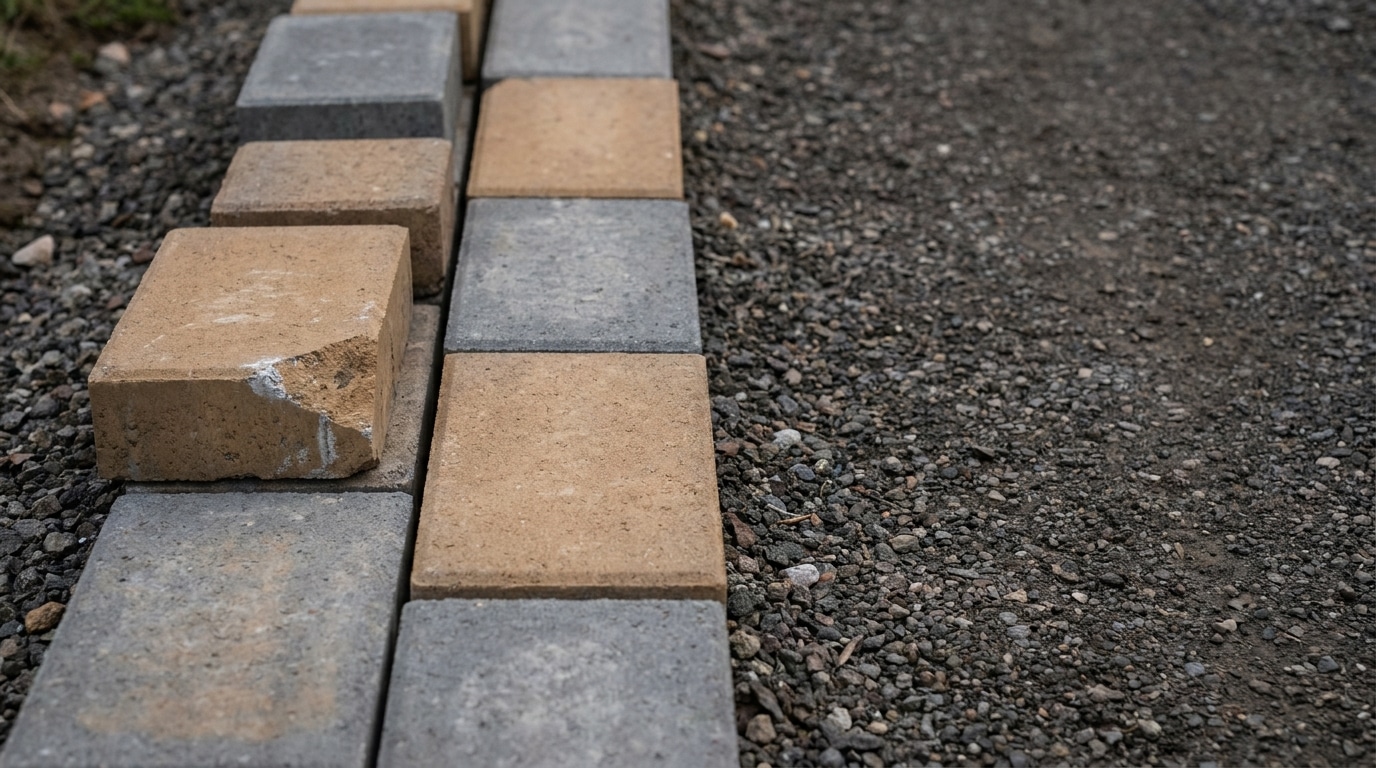
Once you understand what your project needs, compare several material options instead of choosing the first one you find. Look at the strengths and limitations of each option and consider how they fit your priorities.
You can compare materials based on:
- Durability: How well will the material handle regular use?
- Appearance: Does it complement your home’s existing style?
- Maintenance: How much ongoing care will it require?
- Installation: Does it require special preparation or professional installation?
- Cost: Does it fit your project budget?
- Longevity: How long can you reasonably expect it to remain in good condition?
You do not need to choose the most expensive material to get good results. The goal is to find an option that provides the right balance of appearance, performance, maintenance, and cost.
Set a Realistic Budget
Price is naturally an important part of any home improvement project, but the cheapest option is not always the most practical. Look beyond the initial cost and consider installation, preparation, maintenance, repairs, and potential replacement.
It can be useful to compare several materials and ask for detailed estimates before making a decision. A slightly higher upfront cost may be worthwhile if the material offers better durability or requires less maintenance over the years.
Having a clear budget also helps prevent unnecessary upgrades from pushing the project beyond what you can comfortably afford. Leave some room for unexpected expenses, since existing surfaces may require additional preparation or repairs before installation begins.
Consider Installation Requirements
Some building materials are relatively simple to install, while others require careful preparation and professional expertise. The installation process can affect the final appearance, strength, and lifespan of the project.
Before buying materials, find out what preparation is required. The ground may need to be leveled, compacted, or graded, and some projects may require specific tools or installation techniques. If a project involves a large surface area or structural work, working with an experienced professional can help ensure the materials are installed correctly.
It is also helpful to understand what is included in an installation service. Ask whether preparation, removal of existing materials, cleanup, and finishing work are included in the estimate. Knowing what to expect can make the project easier to plan.
Think About the Long-Term Result
A home improvement project should be considered as a long-term investment rather than a short-term change. While appearance matters, think about how the finished space will fit into your daily life several years from now.
A material that requires constant maintenance may become frustrating over time. Similarly, a surface that looks good but cannot handle the amount of traffic it receives may need repairs sooner than expected. Thinking about future use can help you make a decision based on more than the initial appearance.
If you plan to add landscaping, outdoor furniture, lighting, or other features later, choose materials and layouts that can work with those additions.
Conclusion
Choosing building materials is about more than finding an attractive option. Consider how the space will be used, how much maintenance it will require, the conditions around your home, and how well the materials complement the existing property. It is also important to account for installation requirements and the overall project budget.
Comparing materials, contractors, and installation requirements before work begins can make the planning process easier. By focusing on durability, appearance, maintenance, and long-term performance, you can choose materials that suit your home and create a finished project that remains useful and attractive for years to come.