

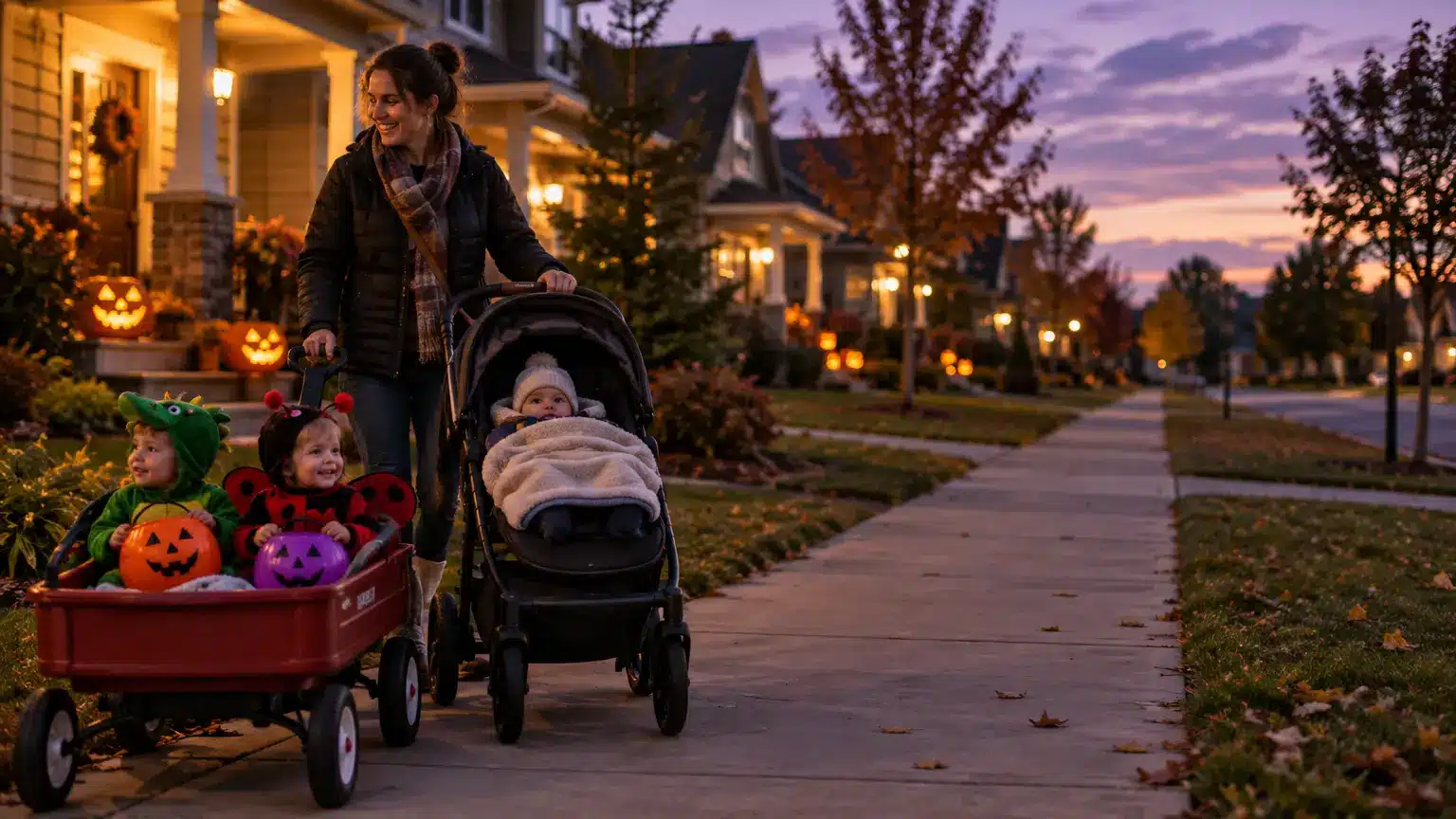
Halloween night with multiple kids is a logistics operation disguised as a holiday. Someone will get tired after four blocks. Someone will insist on carrying their own candy bucket, then hand it to you. And someone — usually the youngest — will need a place to nap while the older siblings finish the last cul-de-sac. That’s why the stroller-versus-wagon question comes up in every parenting group each October. The honest answer: it depends on your kids’ ages, your neighborhood, and how long you plan to be out. Here’s how to decide.
The Short Answer
Choose a wagon if you have two or more mobile kids (roughly ages 2–7), your neighborhood has sidewalks or smooth streets, and you want one vehicle that hauls children, candy, jackets, and snacks together.
Choose a stroller if you have a baby or young toddler who needs to recline and sleep, you’ll encounter curbs, gravel, or hills, or you want built-in weather protection for a chilly night.
Many families with three or more kids bring both — a single stroller for the baby and a wagon for the in-between kids and the gear.
Why Wagons Win for Most Multi-Kid Families
A wagon is the crowd favorite on Halloween for a few practical reasons:
Capacity. Most utility and folding wagons seat two kids comfortably and still leave room for buckets, water bottles, and the hoodie your seven-year-old swore they didn’t need. A double stroller carries two kids and almost nothing else.
Hop-in, hop-out flexibility. Trick-or-treating is stop-and-go by design. Kids climb out at every house and back in between them. Wagons sit low to the ground, so a three-year-old can board without help — no buckles, no lifting, no wrestling a costume into a five-point harness twenty times.
It becomes the candy caddy. By hour two, the wagon is half kids, half loot. That alone saves your shoulders.
Community factor. Wagons invite decoration. A few string lights and some spider webbing turn yours into a rolling parade float — and make your group easier for drivers to see after dark.
The trade-offs: wagons steer poorly on grass, gravel, and steep hills; they don’t recline for sleeping babies; and pulling 80 pounds of children and chocolate uphill is a workout. If you go the wagon route, look for one with all-terrain wheels, a push-pull handle, and seatbelts.
When a Stroller Is the Better Call
If any of your kids is under 18 months, a stroller usually earns its spot:
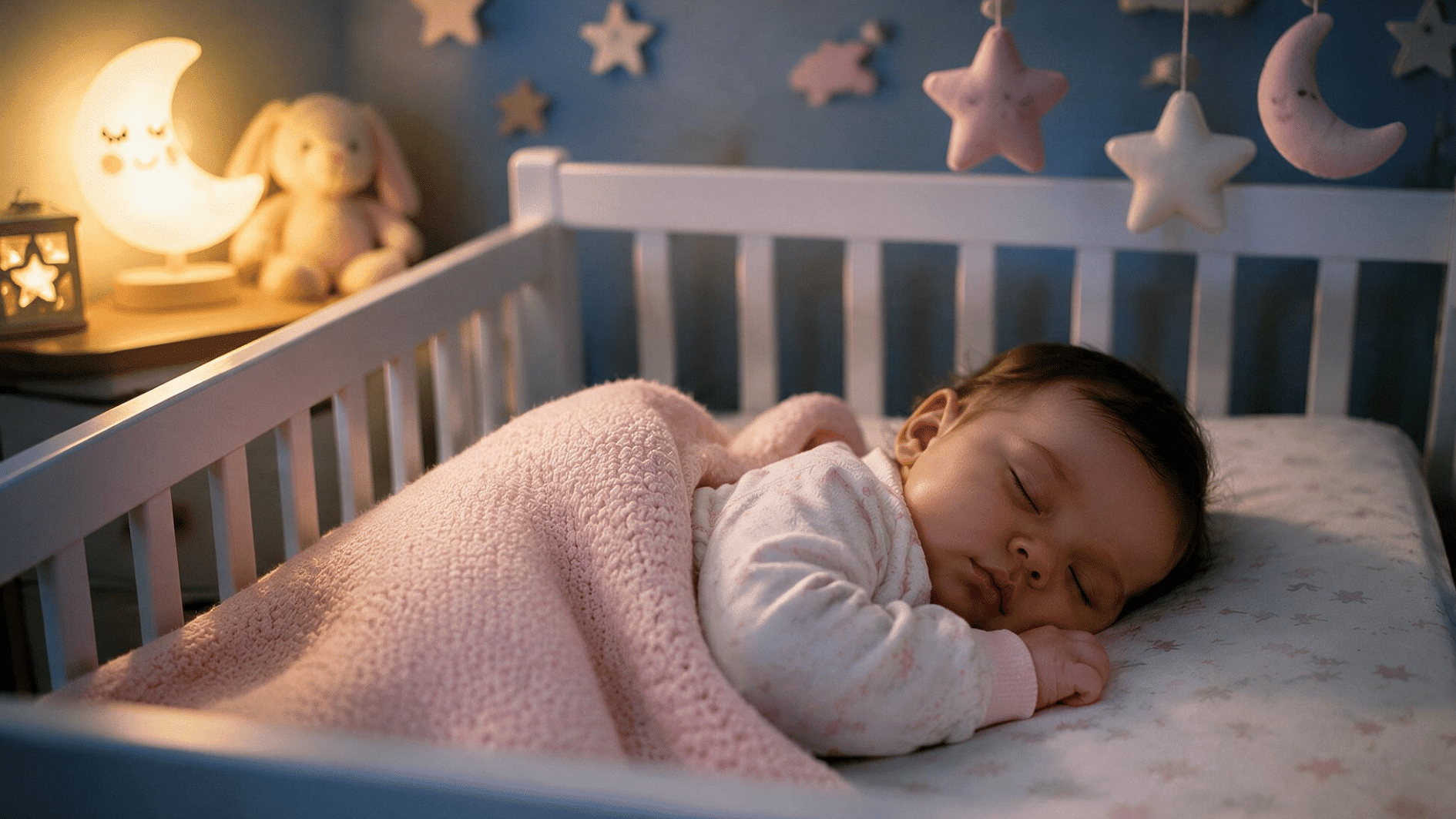
- Reclining seats let a baby sleep through the noise while siblings keep trick-or-treating.
- Better handling on curbs, cracked sidewalks, and hilly streets, especially with a jogging-style stroller.
- Weather protection. Canopies and rain covers matter on a cold or drizzly October night. Tuck a soft layer, like a knitted baby blanket by Crane Baby, over your little one, and they’ll stay cozy while the big kids ring doorbells.
- Storage you can trust. The under-seat basket keeps wipes, bottles, and an emergency diaper kit organized instead of buried under candy.
The downside is capacity. Even a double stroller maxes out fast with multiple kids, and preschoolers who want to walk “just this one house” will fight the harness all night.
The Hybrid Strategy for 3+ Kids
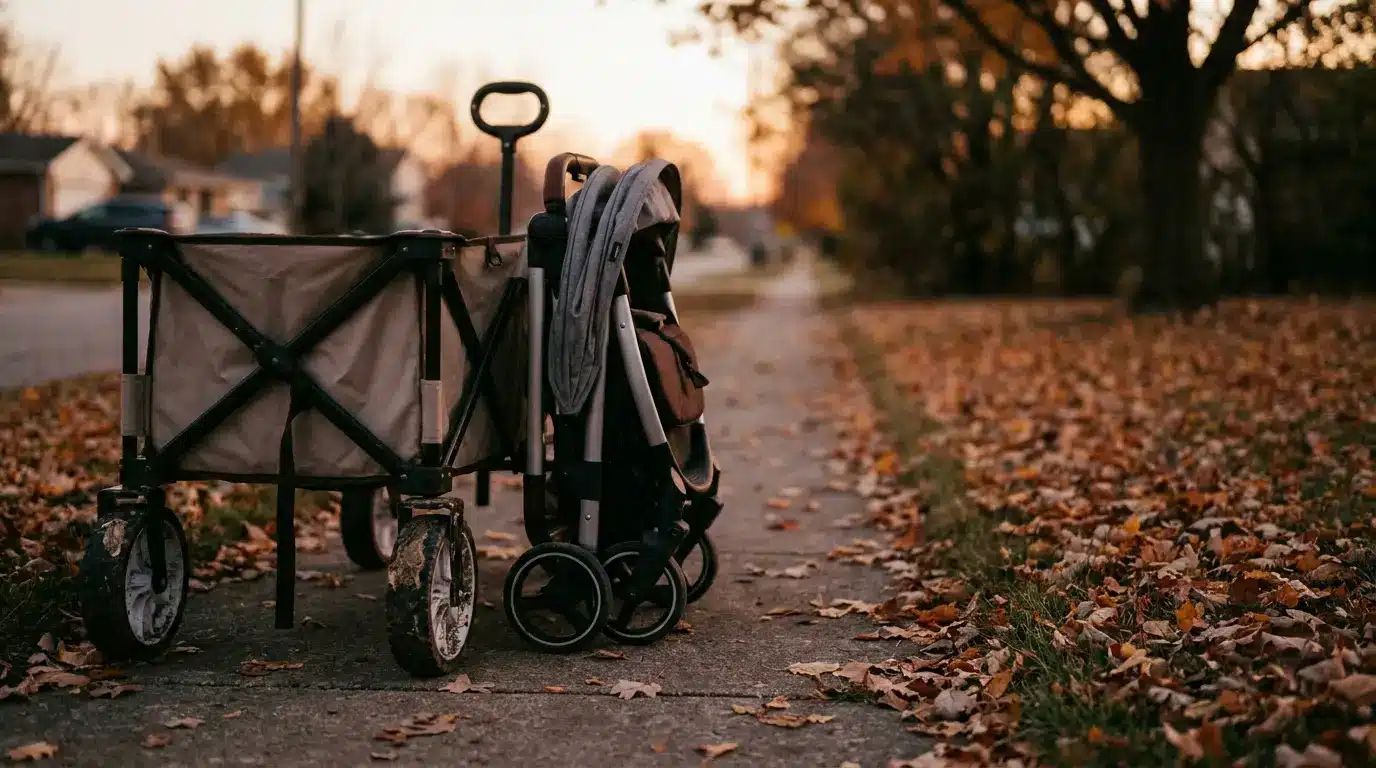
Families running Halloween with three or more children rarely pick just one. A common setup that works:
- Baby rides in the stroller, reclined and bundled.
- Toddler and preschooler share the wagon, hopping out at each house.
- The wagon doubles as base camp — candy, snacks, extra layers, and flashlights all live there.
- One adult pushes, one pulls. If you’re solo, a stroller-wagon hybrid (a wagon with reclining, harness-equipped seats) covers most of both jobs in one footprint.
Don’t Forget Drinks and Snacks
Trick-or-treating runs longer than you think — 90 minutes to two hours is typical for a multi-kid crew. Pack water and real snacks so the only fuel available isn’t fun-size candy. Backpack coolers that are insulated are an easy answer: hands stay free for holding little ones, drinks stay cold, and there’s room for juice boxes and a few post-candy peace offerings.
Quick FAQ
Is a wagon safe for trick-or-treating? Yes, on sidewalks and quiet streets. Use the seatbelts, add reflective tape or lights, and never let kids stand while it’s moving.
What age can a baby ride in a wagon? Most manufacturers recommend waiting until a child can sit unassisted — usually around 12 months. Younger babies belong in a reclining stroller seat.
Can I decorate a stroller instead? Absolutely. Battery-powered fairy lights and a themed canopy cover work beautifully and boost visibility.
For most families with multiple kids, the wagon is the Halloween MVP — roomy, easy to board, and a built-in candy hauler. Add a stroller if there’s a baby in the mix, and you’ve covered every age, every meltdown, and every block. Happy haunting.