





Every home has a wish list. Maybe yours is stuck to the fridge, or maybe it comes up every time one of you walks past the bathroom with the peeling cabinet doors. The list keeps growing, but the money for it never seems to show up at the right moment.
You don’t need a big renovation budget to make your home feel fresh. It helps to spread small projects across the year, so spring paint jobs and winter upgrades aren’t all competing for the same paycheck. Here are three ways couples can make that work.
1. Give Your Home Projects Their Own Money
Most DIY budgets fall apart because the money is mixed in with everything else. Groceries come first, then the bills, and the gallon of sage green paint waits another month. Setting aside money just for projects changes that.
- Start a shared project fund. A simple way to do this is to open a joint checking account online and use it only for home updates. It takes a few minutes, and after that you can both see exactly how much is available for the next project. No more guessing whether the new light fixture fits this month.
- Pick an amount that feels easy. A small automatic transfer from each of you on payday is enough to get started. Keep it low enough that neither of you notices it in your everyday spending. You can always raise it once the habit sticks.
- Set a target for each season. Some seasons cost more than others, so your fund shouldn’t treat them all the same. Outdoor summer projects usually cost more than winter shelf-building, so start setting a little extra aside in spring. Agreeing on a rough amount for each season keeps one big project from draining the fund for the rest of the year.
2. Plan Your Projects Around the Seasons
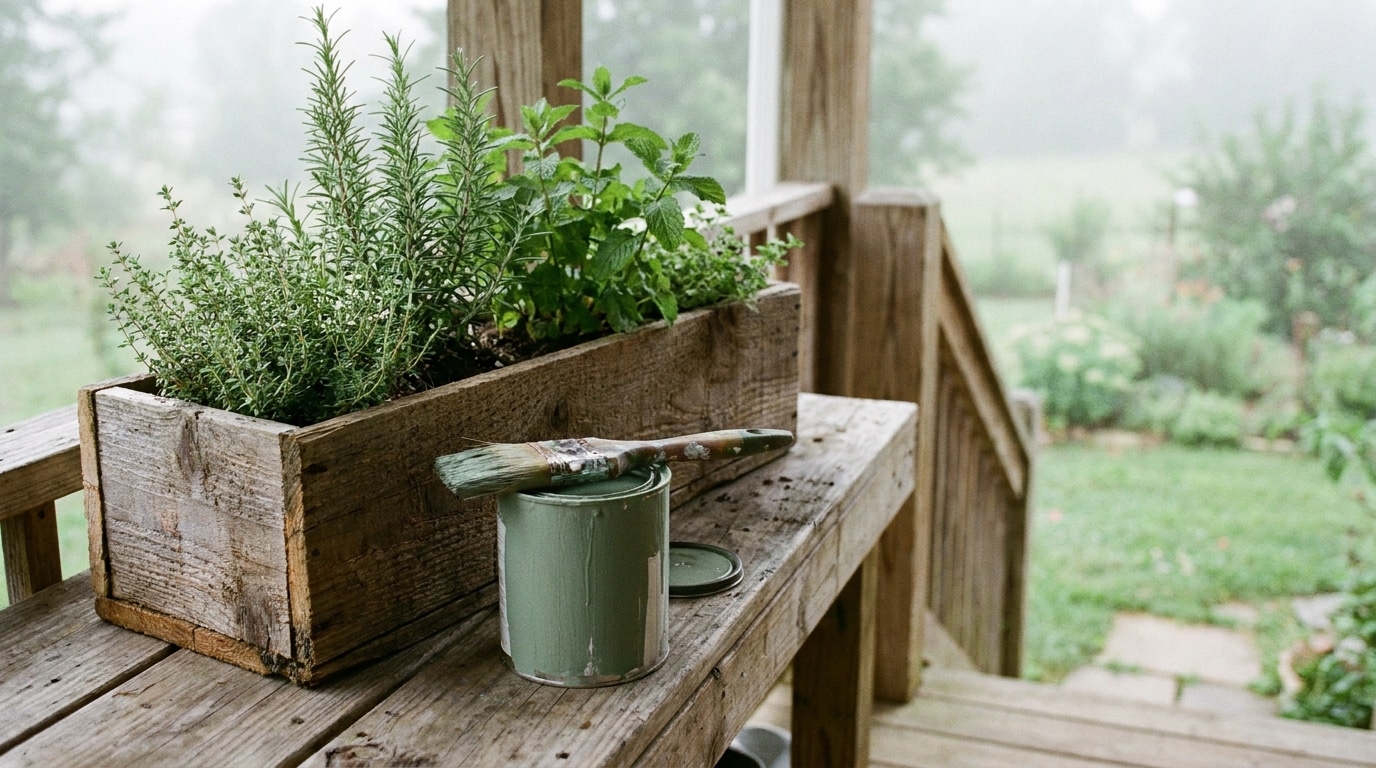
Each time of year suits different kinds of DIY. When you match projects to the calendar, you spend money on what makes sense right now, and everything else can wait its turn.
- Spring is for fresh starts. It’s a good time for painting, decluttering, and swapping heavy fabrics for lighter ones. Repainting a dresser or sewing new cushion covers costs little and makes a room feel brighter. With the windows open, paint fumes are much easier to deal with too.
- Summer belongs outside. Patios, balconies and front steps get the attention now. Think planter boxes made from scrap wood, painted pots, or string lights for warm evenings. Outdoor supplies add up quickly, so choose one main project and save the smaller ideas for next year.
- Fall is for getting ready. Before the cold arrives, take care of practical jobs like sealing drafty windows and doors. The U.S. Department of Energy has clear weatherizing tips for finding where warm air is escaping. Weatherstripping and caulk are cheap, and most couples can do the work themselves in an afternoon.
- Winter is for slow indoor projects. Cold weekends are ideal for building shelves, framing art, or making a new headboard. You spend more time inside, so you’ll notice what bothers you about each room. These fixes often take more time than money, which makes winter the easiest time of year on your budget.
3. Make Every Dollar Go Further
Saving is only half the plan. The other half is spending wisely, and crafty couples already have a head start.
- Shop secondhand first. Thrift stores, garage sales, and online marketplaces are full of solid wood furniture that only needs sanding and paint. A small thrifted side table can become a real feature piece after a couple of days of work. Make the hunt a fun outing and see who finds the best piece.
- Use what you already have. Most homes have leftover paint, fabric scraps, and half-used rolls of contact paper tucked away in a closet. Before buying anything new, spend an hour going through your supplies together. Small projects often need nothing more than what you already own.
- Buy supplies at the end of the season. Stores clear out seasonal stock once demand drops, so outdoor paint, planters, and garden supplies are often discounted in late summer and fall. If you already know next year’s projects, buying then can save you real money. Keep everything in one labeled bin so it’s ready when you need it.
- Borrow tools instead of buying them. Sanders, tile cutters, and other big tools are expensive, and many only get used once. Ask friends or family, or check whether your local library has a tool-lending program. Many hardware stores also rent tools by the day, which works well for one-off jobs.
Look Back Before You Plan Next Year
At the end of the year, check what each season actually cost. Your account history makes this easy, since every project purchase went through one place. If summer went over budget and winter barely touched the fund, adjust next year’s targets to match. A quick review like this turns a rough plan into one that fits how the two of you really spend.