


A comfortable home is not necessarily one with fewer belongings. It is one where everything has a place and everyday activities can happen without constantly moving things out of the way. From seasonal decorations and household supplies to sports equipment and hobby materials, possessions can accumulate faster than available storage space.
For many households, the solution isn’t to get rid of everything they don’t use daily. Instead, a few thoughtful organization habits and practical storage choices can make a noticeable difference. With the right approach, you can create a more functional home while keeping the belongings that make everyday life enjoyable.
Start by Identifying Where Space Is Being Lost
Before purchasing storage containers or rearranging furniture, take some time to look at the areas that feel most crowded. Garages, closets, spare bedrooms, kitchen cabinets, and laundry rooms are common places where unused or occasionally needed items tend to accumulate.
A simple room-by-room review can help identify what is taking up the most space. Separate belongings into a few basic categories:
- Items used every day
- Belongings needed occasionally
- Seasonal decorations and equipment
- Items that can be donated, recycled, or discarded
This process makes it easier to decide what should remain within easy reach and what can be stored elsewhere.
It is also helpful to approach the task gradually. Organizing an entire house in one weekend can quickly become overwhelming. Starting with one closet, shelf, or storage area makes the process more manageable and allows household members to maintain their progress.
Make Everyday Storage More Functional
Good organization is not simply about finding somewhere to put everything. It is about making frequently used belongings easy to access while preventing less frequently used items from taking over valuable living space.
A few practical changes can help:
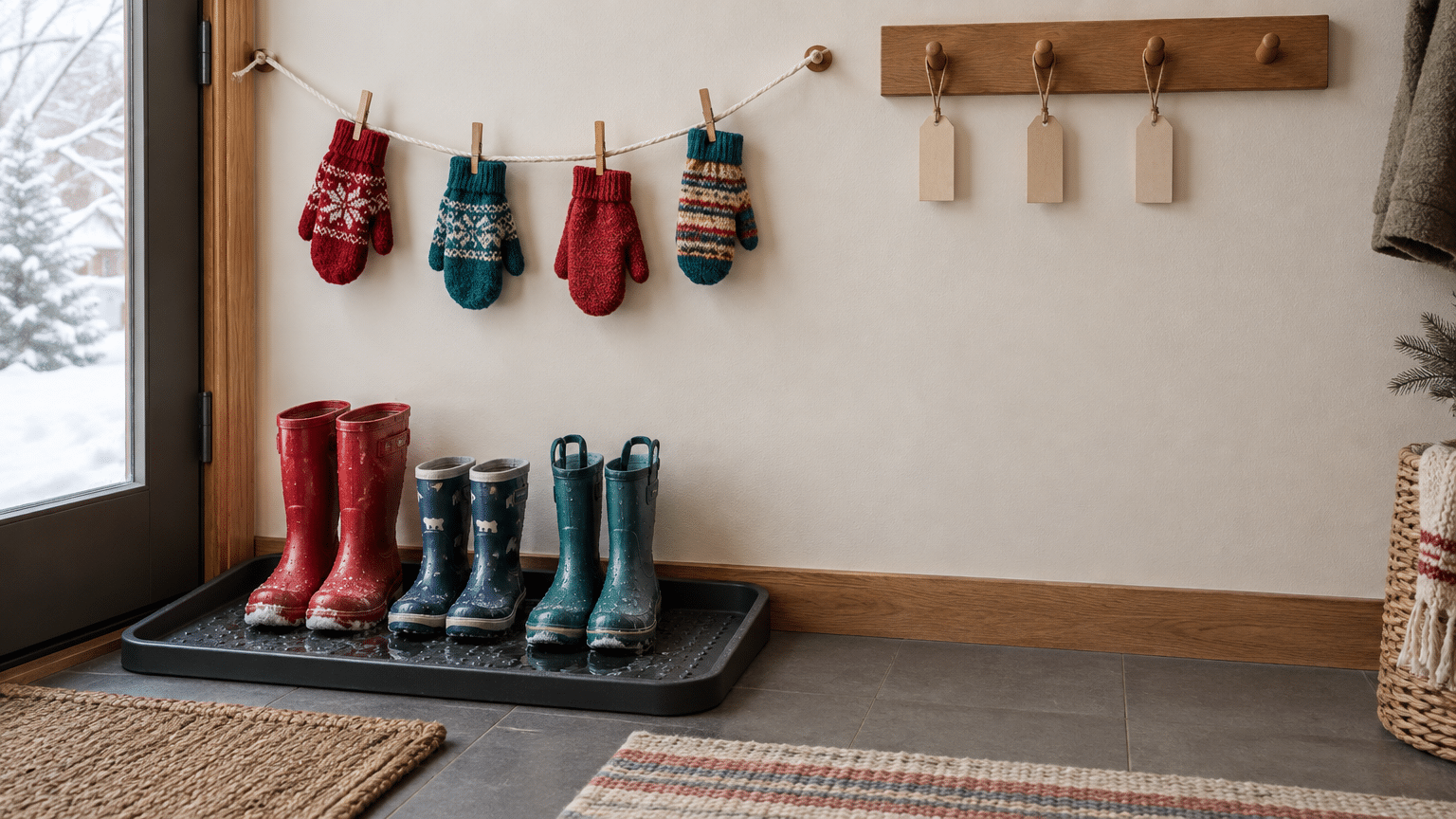
Use vertical space. Wall-mounted shelves, hooks, and pegboards can free up floor space in garages, utility rooms, and craft areas. They are particularly useful for tools, cleaning supplies, and smaller equipment.
Group similar belongings together. Keeping household supplies, hobby materials, and seasonal accessories in separate containers makes it easier to find what you need. Clearly labeled boxes can also reduce unnecessary searching.
Make use of overlooked areas. The space beneath beds, inside cabinets, and above closets can provide extra room for items you don’t use regularly.
Review storage areas periodically. Even well-organized spaces can become cluttered over time. A quick seasonal review helps prevent unnecessary accumulation and keeps frequently used items accessible.
These simple habits can make everyday routines easier without requiring expensive home improvements.
Organize Seasonal Items Before They Become Clutter
Seasonal belongings are among the most common reasons homes run out of storage space. Holiday decorations, winter clothing, gardening equipment, outdoor furniture accessories, and sports gear may only be needed during certain months of the year.
Keeping all these items in everyday living areas can make rooms and closets feel unnecessarily crowded.
One useful approach is to organize seasonal belongings according to when they are needed. For example, pack away winter clothing during warmer months, and store holiday decorations together until the next season.
Protective containers are particularly useful for items that need to remain in storage for extended periods. Clothing should be clean and completely dry before packing, while fragile decorations benefit from appropriate padding.
It is also worth creating a simple inventory of stored belongings. A short list or a few photographs can help household members remember what they already own and avoid purchasing duplicate items.
Create More Room for Hobbies and Outdoor Equipment
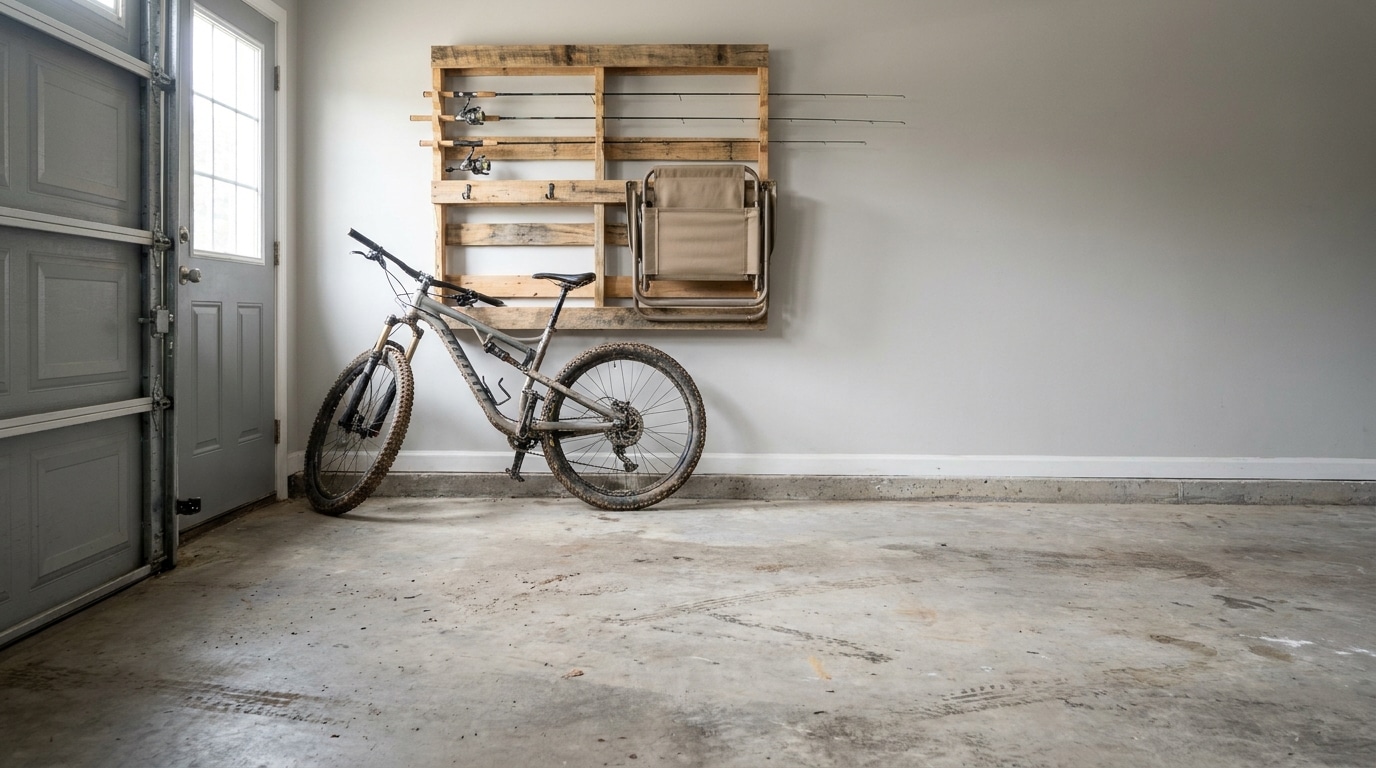
A home should support the activities people enjoy, whether that means gardening, crafting, camping, fishing, or spending weekends outdoors. However, hobbies often come with equipment that requires more room than expected.
Bicycles, fishing supplies, camping equipment, folding chairs, sporting goods, and gardening tools can quickly fill garages and spare rooms.
For smaller belongings, dedicated shelving and labeled storage containers can provide a practical solution. Larger equipment may require a different approach, particularly when it cannot easily fit into existing household storage areas.
This can be especially relevant for households that enjoy boating, fishing, and camping. In Southwest Georgia, Lake Seminole provides opportunities for outdoor recreation, including boating and fishing. The U.S. Army Corps of Engineers provides information about the recreational facilities and activities available around Lake Seminole.
For boat owners, RV owners, or those with other outdoor equipment, finding suitable storage between trips can help keep driveways and garages more functional.
When household storage is limited, secure storage units in Bainbridge, GA can provide additional room for belongings and recreational equipment. Available options include different unit sizes, drive-up access, security cameras, gated entry, and 24-hour access. Outdoor vehicle parking is also available for boats, RVs, and additional vehicles. Month-to-month rental agreements offer flexibility for households whose storage needs change throughout the year.
When Is External Storage Worth Considering?
Sometimes, rearranging shelves and buying additional containers aren’t enough to solve a household storage problem. A garage may already be full, a spare bedroom may be needed for another purpose, or a renovation project may temporarily require belongings to be moved elsewhere.
In these situations, an external storage unit can be a practical extension of the available household space.
Before choosing a storage facility, consider a few important factors.
Choose the Right Unit Size
The amount of space you need depends on what you’ll store. A few boxes of seasonal decorations require considerably less room than furniture, appliances, or recreational equipment.
Making a list of the items you intend to store can help estimate the appropriate unit size. It is also useful to consider whether you may need additional room in the future.
Avoid choosing a unit that is significantly larger than necessary, but leave enough space to access and organize your belongings comfortably.
Consider Security and Accessibility
Security should be an important consideration when storing household possessions, furniture, or valuable equipment. Features such as gated entry and video surveillance can provide additional reassurance.
Accessibility is equally important. Drive-up units can make loading and unloading heavier items easier, while extended access hours can help people with changing schedules.
If you plan to store outdoor equipment or vehicles, check whether the facility offers suitable parking arrangements and access conditions.
Look for Flexible Rental Arrangements
Storage needs are not always permanent. Some households require additional space during a move, renovation, or seasonal transition, while others need it for longer periods.
Month-to-month rental agreements can provide greater flexibility when the duration of storage is uncertain. Before committing, review the rental terms, payment arrangements, and any additional fees.
Maintain an Organized Home Throughout the Year
Creating more space is only part of the process. Maintaining it requires occasional attention and a few consistent habits.
A seasonal organization routine can help keep household storage under control. At the beginning of each season, review clothing, decorations, recreational equipment, and other belongings you may no longer need.
It is also useful to establish a simple rule for new purchases: consider where an item will be kept before bringing it home. This small habit can prevent closets, cabinets, and garage shelves from gradually becoming overcrowded.
Families can also make organization easier by giving household members responsibility for particular storage areas. When everyone knows where things belong, maintaining an orderly home becomes a shared task rather than an occasional major project.
Conclusion
Creating more space at home does not necessarily mean giving up belongings or adopting a minimalist lifestyle. It means finding practical ways to organize everyday essentials, manage seasonal items, and make better use of the available space.
Simple improvements such as using vertical storage, grouping similar belongings, and reviewing household items regularly can make everyday routines more comfortable. When you need more room for furniture, equipment, or recreational vehicles, external storage can offer another useful option.
With a little planning and consistent organization, households can keep the things they value while making their living spaces more functional, comfortable, and enjoyable.