

Baby clothing sizes can be confusing; I was totally lost when my toddler hit size 90. One brand said it was perfect; another brand’s version looked like it was made for a giant.
If you’re standing in the shop feeling the same confusion, you’re definitely not alone.
The number doesn’t clearly point to an age, which makes choosing the right fit a bit tricky. That’s where understanding how size 90 baby clothes actually work can help.
Once you know what it actually represents your child’s height, not their birthday picking the right clothes gets much easier.
How to Know If Your Child Needs Size 90?
Size 90 baby clothes are best suited for children who are around 85 to 95 cm tall, but the real focus should be on how the clothes fit your child right now, not just their age.
Since every baby grows at a different pace, this size often works for toddlers aged roughly 1.5 to 2 years, though that can vary quite a bit. Instead of relying only on age, check your child’s current clothes first.
- Outgrowing Smaller Sizes:Pants or sleeves in size 80 are running short or snug
- Height Check:Your child is near or past 85 cm
- Room for Growth:You want something that lasts a few months without feeling tight
- Body Type:Your child runs a bit taller or bigger than others their age
Size 90 Baby ClothesMeasurement and Size Comparison
Before buying, it helps to check both measurements and how size 90 compares with nearby sizes. This gives you a clearer idea of fit and when it’s time to move up.
| Size | Height (cm) | Weight (kg) | Chest (cm) | Waist (cm) | Hip (cm) | Fit Stage |
|---|---|---|---|---|---|---|
| 70 | 65 to 75 | 7 to 9 | 44 to 48 | 45 to 48 | 48 to 52 | Younger babies, snug fit |
| 80 | 75 to 85 | 9 to 11 | 48 to 52 | 47 to 50 | 50 to 54 | Smaller toddlers |
| 90 | 85 to 95 | 11 to 14 | 50 to 54 | 48 to 52 | 52 to 56 | Growing toddlers |
| 100 | 95 to 105 | 14 to 16 | 52 to 56 | 50 to 54 | 54 to 58 | Taller toddlers |
| 110 | 105 to 115 | 16 to 19 | 54 to 58 | 52 to 56 | 56 to 60 | Early preschool stage |
| 120 | 115 to 125 | 19 to 22 | 56 to 60 | 54 to 58 | 58 to 62 | Bigger kids |
How to Pick the Right Size for Your Baby?
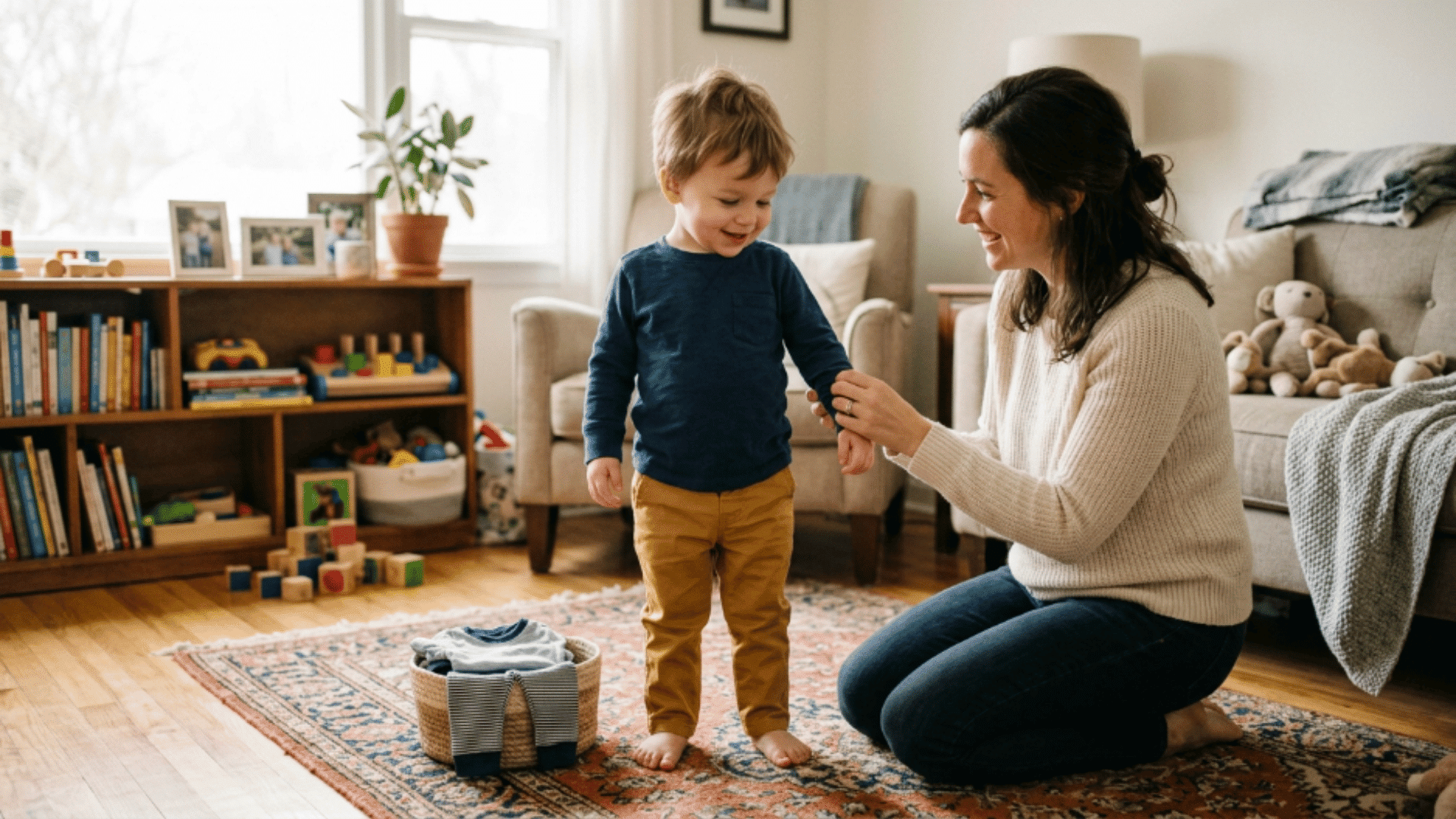
If you’re wondering what size 90 is in baby clothes, you’re not alone. Baby sizing can feel confusing, especially since it varies by brand and region.
Knowing how size 90 fits and when to move up helps ensure your baby stays comfortable and can move freely.
1. Measure Your Baby Correctly
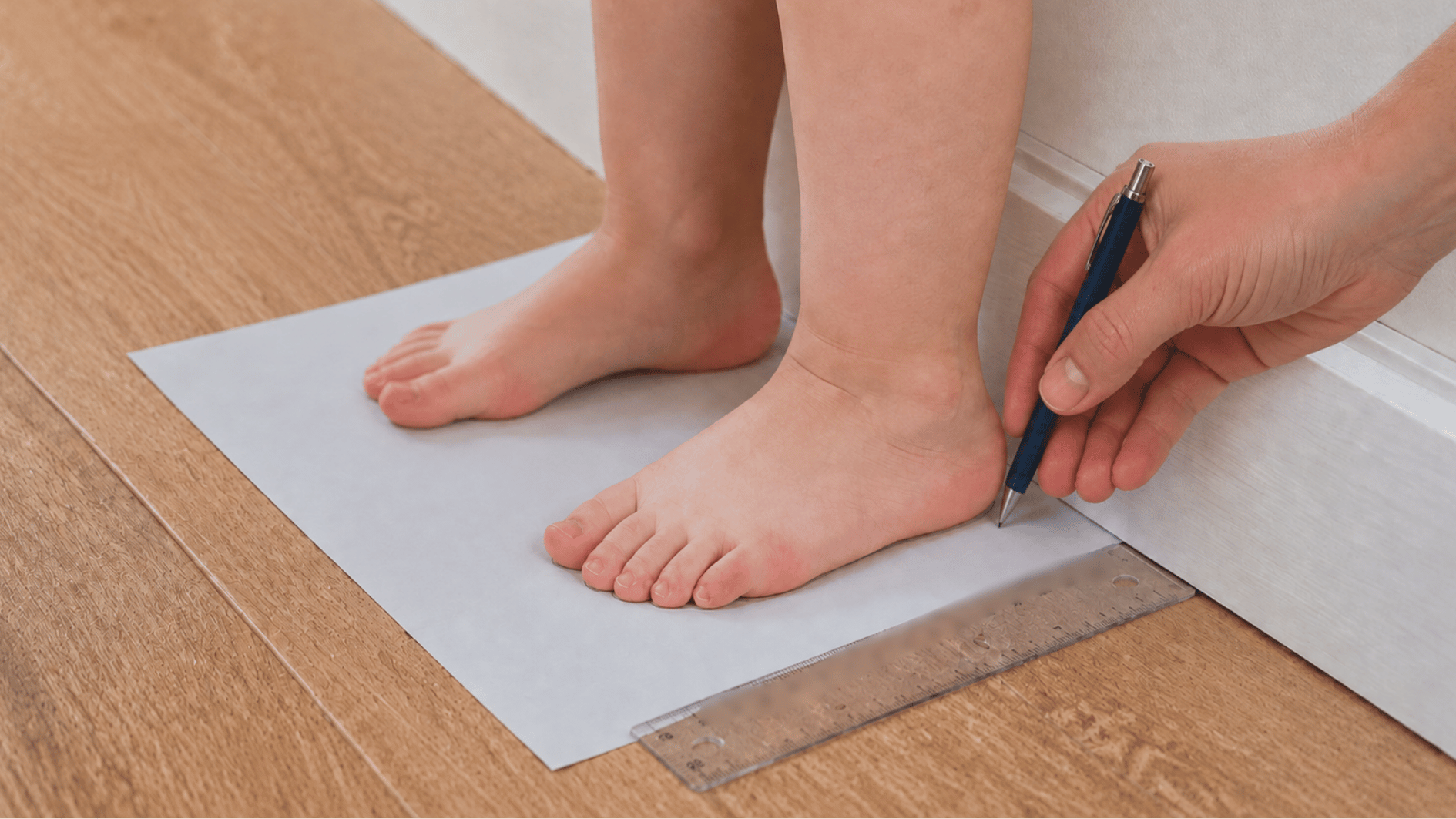
Choosing the right size begins with accurate measurements. Height isthe most reliable indicator, as it directly reflects how clothing will fit your baby’s body.
Age-based sizing can often be misleading because babies grow at different rates.
Using a measuring tape to check your baby’s height regularly helps you make better sizing decisions and ensures a more comfortable fit.
2. Check Brand Size Charts
One of the biggest mistakes parents make is assuming all brands follow the same sizing. In reality, size 90 in one brand may differ slightly from another.
That’s why it’s essential to always compare your baby’s measurements with the brand’s size chart before purchasing. This extra step reduces the chances of buying clothes that are too tight or too loose.
3. Consider Growth Room
Babies grow quickly, so choosing clothes with a little extra room can be a smart decision. Slightly larger sizes allow your baby to wear the clothes longer without feeling restricted.
However, it’s important to avoid oversized clothing that may interfere with movement or comfort. The goal is to find a balance between a good fit and room for growth.
4. When to Move Up from Size 90
If you’re already using size 90 and wondering what size 90 is in baby clothes, it typically fits babies around 85–95 cm tall. But instead of focusing only on numbers, pay attention to signs.
If clothes feel tight around the chest or waist, sleeves appear shorter, or your baby seems uncomfortable while moving, it’s time to size up.
These signs often indicate that your baby has outgrown the current size.
5. Seasonal Considerations
Seasonal changes also play a role in choosing the right size. During colder months, babies often wear layered clothing, which requires extra space for comfort.
In contrast, summer outfits are lighter and can be slightly more fitted. Adjusting size choices based on the season helps maintain both comfort and practicality.
As your baby moves through these rapid growth phases, having reliable guidance makes a big difference. Many parents find practical support helpful during this stage of constant change.
Why Do Size 90 Baby Clothes Fit Differently Across Brands?
Size 90 may sound standard, but the actual fit can vary quite a bit depending on where the brand is from and how it designs its clothes. This is where many parents get caught off guard.
| Factor | What Changes | What It Means for You |
|---|---|---|
| European Brands | More true-to-height sizing | Usually closer to the actual 90 cm fit, more consistent |
| Asian Brands | Slightly slimmer fit | May feel tighter, especially for broader body types |
| US Brands | Age-based sizing (like 2T) | Size 90 may not match directly, can run bigger or smaller |
| Fast Fashion Brands | Inconsistent sizing across collections | The same size may fit each time differently |
| Premium Baby Brands | More accurate measurements and better cuts | More reliable fit, but still check size charts |
| Fabric Type | Stretch vs non-stretch materials | Stretch fabrics feel more forgiving, woven fabrics less so |
Most of these come back to the same habit: checking your baby’s actual measurements instead of trusting the tag alone.
Common Mistakes Parents Make When Buying Size 90
Choosing the right size for your baby doesn’t have to feel overwhelming once you get the hang of it. At the end of the day, size 90 is really about your child’s height and build rather than their exact age. Focus on how the clothes actually fit them right now, giving them room to move, play, and grow comfortably, and you’ll be just fine. Paying attention to fit, brand differences, and seasonal needs can make a noticeable difference. As your baby grows, small adjustments in sizing keep them comfortable and free to move. Pick clothes that let your little one run, climb, and explore freely. When you focus on comfort and real fit instead of just the number on the tag, both you and your baby will be much happier. It depends on how fast your child is growing, but several months is typical. They should allow easy movement with enough room to grow, snug enough to stay out of the way, and loose enough that nothing pulls. Not always. Babies grow at different rates, so measurements are more accurate than age labels. Size 90 is closest to a US 2T, though some brands cut it closer to 3T. Height is still the more reliable check the two sizing systems were never designed to align perfectly.
The Bottom Line
Frequently Asked Questions
How Long Do Babies Usually Wear Size 90 Clothes?
Should Baby Clothes Be Loose or Fitted?
Do Baby Clothing Sizes Match the Actual Age?
What US Size is Equivalent to Size 90 in Baby Clothes?