
You’ve been there, a painting that starts strong, only to fall apart because the paper buckled, bled, or swallowed your colors whole.
And honestly? It probably wasn’t your technique. Nine times out of ten, bad watercolor paper is the real culprit.
You can have the most expensive brushes and the richest paints in the world, but if your paper isn’t pulling its weight, your paintings will always feel like a fight.
This guide will tell you about the best watercolor paper on the market right now, covering everything that actually matters.
Why Choosing the Right Watercolor Paper Matters
Watercolor paper can completely change how your painting turns out, even if your technique stays the same. Choosing the right one helps colors stay bright, edges stay clean, and your work feel more controlled.
- Better Water Control – Good paper absorbs water evenly, so washes don’t pool or dry unevenly.
- Stronger Surface – It holds up to layering, lifting, and reworking without tearing or peeling.
- Brighter Colors – High-quality paper keeps pigments looking fresh instead of dull or muddy.
- Less Buckling – Thicker paper stays flat, even with heavy water use.
- Cleaner Edges – Helps prevent unwanted bleeding and keeps details sharp.
Key Things to Look for Before You Buy Watercolor Paper
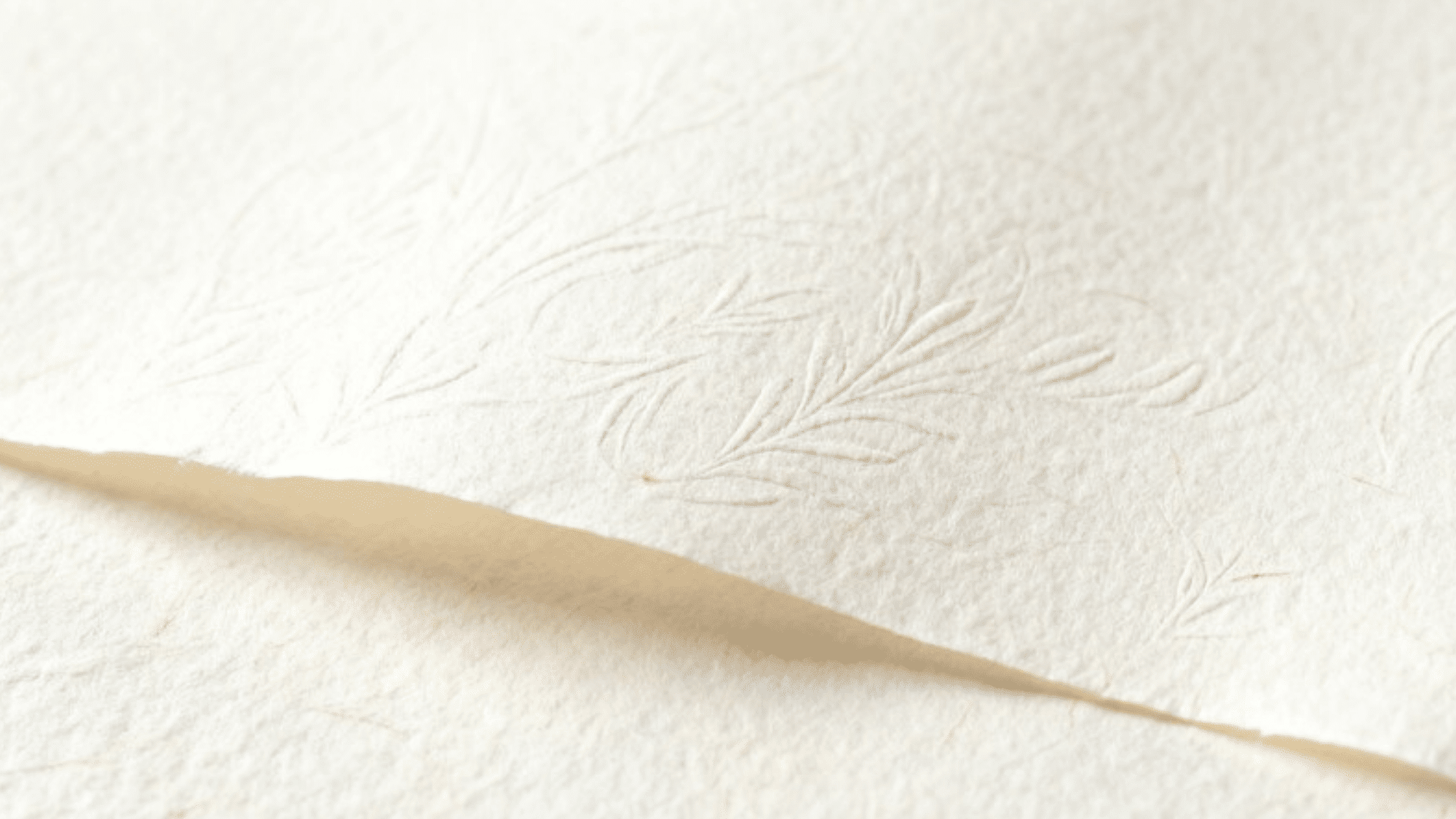
Before you spend money on a paper you might hate, it helps to know what you’re actually looking at.
1. Paper Weight (GSM/lb)
| Weight (GSM/lb) | Best For | Key Benefits | Things to Note |
|---|---|---|---|
| 190 gsm / 90 lb | Light practice | Affordable, easy to handle | Buckles easily with water |
| 300 gsm / 140 lb | Most artists | Good balance, handles washes well | May need stretching for heavy water |
| 425 gsm / 200 lb | Intermediate use | Less buckling, stronger surface | Slightly more expensive |
| 600 gsm / 300 lb | Heavy washes, large work | Very stable, no stretching needed | Expensive |
2. Surface Texture
| Type | Surface Feel | Best For | Things to Note |
|---|---|---|---|
| Hot Press | Smooth | Fine detail, illustrations | Dries fast, less forgiving |
| Cold Press | Slight texture | All-purpose use | Most popular choice |
| Rough | Heavy texture | Loose, expressive work | Not ideal for fine detail |
3. Cotton vs. Wood Pulp
| Type | Material | Best For | Key Benefits | Limitations |
|---|---|---|---|---|
| Cotton (Rag) | Cotton fibers | Final artwork | Strong, durable, long-lasting | Higher cost |
| Wood Pulp | Wood-based | Practice, studies | Affordable, easy to find | Weak when wet, less durable |
4. Sizing (Internal vs. Surface)
| Type | Where It’s Applied | Effect on Paper | Best For |
|---|---|---|---|
| Internal Sizing | Throughout the sheet | Even absorption, balanced control | General painting |
| Surface Sizing | Top layer | Slower absorption, more control | Detailed work, wet techniques |
| Well-Sized Paper | Both types | Strong surface, longer working time | Controlled washes and blending |
The Best Watercolor Paper: Our Top Picks Reviewed
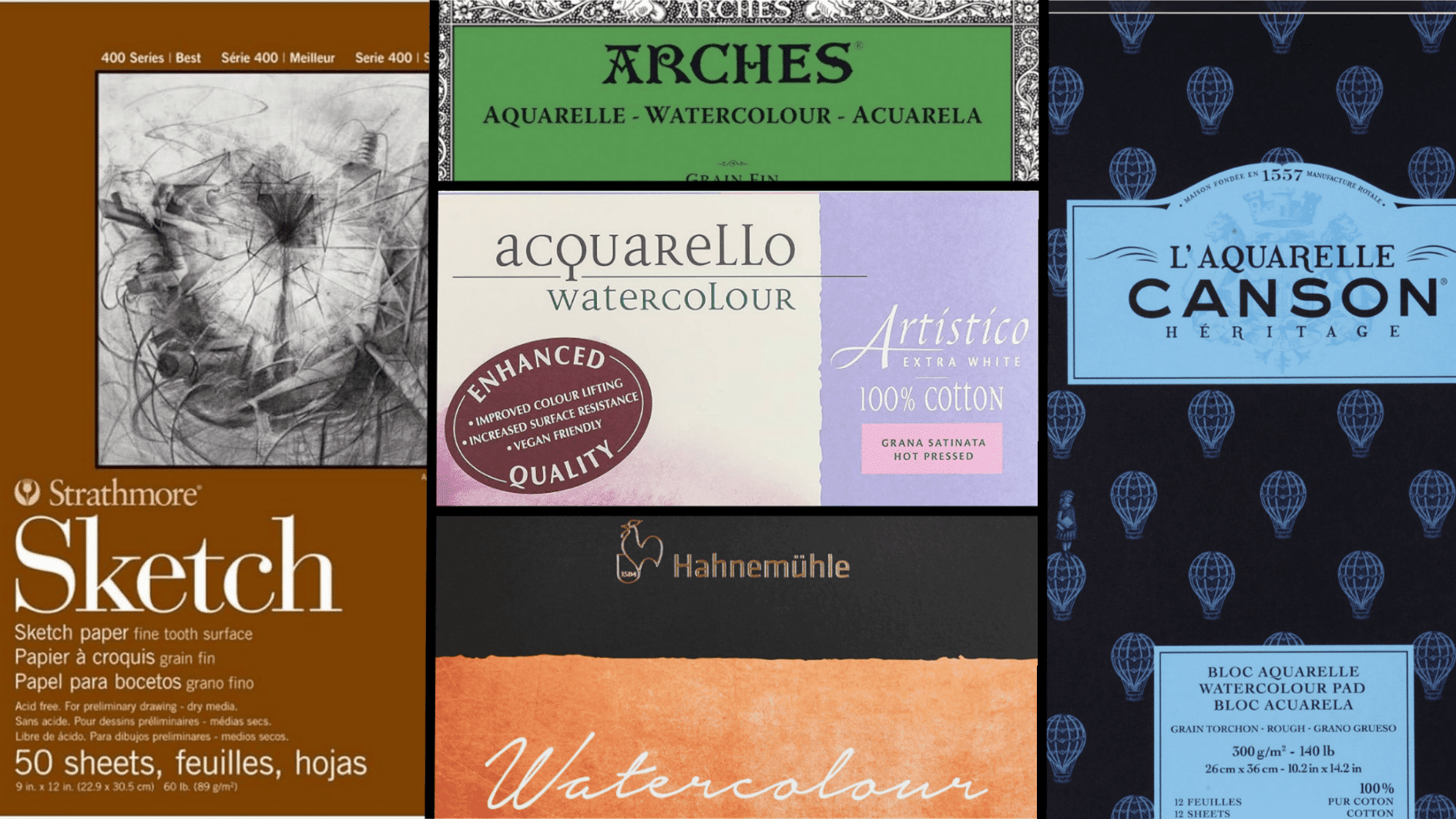
These are the best watercolor paper options that are actually worth your money, tested across different styles, techniques, and budgets. No filler picks, no fluff. Here’s what you need to know about each one.
1. Arches 140 lb Cold Press
If there’s one name that comes up every single time artists talk about the best watercolor paper, it’s Arches 140 lb Cold Press. This French mill has been making paper since 1492, and the quality shows in every sheet.
I’ll be honest, I was skeptical the first time someone told me to buy Arches and stop overthinking it. But the moment I ran a wet wash across my first sheet, I understood exactly what the fuss was about. It felt like the paper was working with me instead of against me.
What makes Arches stand out is its wet strength. You can flood it with water, scrub it, layer it, and lift it repeatedly, and it holds together without pilling or falling apart.
The only downside? It’s one of the pricier options out there. But for finished pieces or any painting you actually care about, it’s worth every cent.
- Key specs: 100% cotton, 300 gsm, acid-free, internally sized with natural gelatin
- Best for: Intermediate to professional artists across all styles
- Price range: Premium
“The really great thing about Arches Cold Press versus a student-grade paper is that the sizing is heavy enough to let you really work with the paper. A smaller watercolor paper allows only one or two washes before it starts to look worn.” – Jennifer Branch
2. Fabriano Artistico
Fabriano Artistico is another heritage brand with serious credentials; this Italian mill has been producing fine art paper since the 13th century. Their Artistico line is the one painters reach for when they want a cotton paper that truly loves water.
The surface is extra-white, which makes your colors pop in a way that’s noticeably different from more cream-toned papers. Wet-on-wet techniques feel incredibly fluid on Fabriano, pigment blooms beautifully, and you get that soft, dreamy quality that’s hard to achieve on stiffer papers.
It also lifts pigment really cleanly, which is a huge plus if you like reworking areas.
One heads-up: the surface is slightly softer than Arches, so if you’re an aggressive scrubber, you might notice some pilling.
- Key specs: 100% cotton, available in 140 lb and 300 lb, extra-white and traditional white options, hot and cold press
- Best for: Watercolorists who love loose, flowing wet-on-wet techniques
- Price range: Premium
“This paper will take a beating without falling apart — water, scraping, lifting — just about everything. I’ve been using it for years.” – Jerry’s Artarama
3. Strathmore 400 Series
Not every painting needs to be on expensive cotton paper, and that’s exactly where Strathmore 400 earns its place. It’s the most practical, no-nonsense watercolor paper for artists who paint frequently and want a reliable option without the premium price tag.
For a wood pulp paper, Strathmore 400 punches above its weight. It handles light to medium washes well, doesn’t buckle as badly as really cheap pads, and is widely available in pads and blocks.
It’s a great choice for daily practice, color studies, or experimenting with new techniques before committing to your good paper.
- Key specs: 140 lb, acid-free, wood pulp blend, cold press surface
- Best for: Students, beginners, and high-volume painters on a budget
- Price range: Budget-friendly
“The short answer is — more expensive paper, worth it, YES it is. You are unlikely to really learn how to use watercolor on Strathmore 400 paper, which is an acceptable drawing paper but doesn’t like being wet.” –WetCanvas
4. Canson Heritage
Canson’s Heritage line is their top-tier cotton offering, and it’s quietly become a favorite among illustrators and botanical artists who need a surface that respects fine detail.
The hot press version especially shines here; it’s smooth enough for delicate linework and fine brushwork, but it doesn’t feel as slippery or unforgiving as some hot press papers can. Pigment sits beautifully on the surface without sinking in immediately, giving you a little more time to work. It also doesn’t cockle easily, which is a blessing when you’re doing slow, careful work.
It does take a bit of getting used to; the absorption is a little different from Arches, but once you dial it in, it’s a seriously impressive sheet.
- Key specs: 100% cotton mould-made, 140 lb, available in cold press and hot press, natural white
- Best for: Botanical illustrators, detail-focused painters, and fine art illustrators.
- Price range: Mid to premium
“Canson’s Heritage watercolour paper is definitely a worthy entry into the watercolour paper market. It’s a good quality paper that performs just as well as the other major watercolour brands and seems to be easily available.”-artdragon86
5. Hahnemühle Watercolour
If you love a painting that looks painted, brushstrokes visible, texture doing half the work, Hahnemühle is the paper for you.
The surface has a beautiful, tactile quality that makes dry brush techniques and granulating pigments look absolutely stunning. Every stroke feels expressive and alive. It handles water well thanks to the cotton construction, and the natural white tone gives paintings a warm, organic feel.
The trade-off is that the heavy texture isn’t ideal for sharp, clean edges or fine linework. But if loose and expressive is your style, this watercolor paper might just become your new go-to.
- Key specs: 100% cotton, available in 200 gsm and 300 gsm, natural white, pronounced cold press texture
- Best for: Expressive painters, landscape artists, and dry brush enthusiasts
- Price range: Mid to premium
“Since then I have tried Canson Heritage, Winsor and Newton Professional, Hahnemühle Collection, Stonehenge Aqua… The first three can take a huge beating and lots of layers without any problems at all.” –WetCanvas
Quick Comparision
No single paper wins for everyone, but this table should make it pretty easy to spot which one fits your way of painting.
| Paper | Material | Weight | Surface Options | Best Use Case | Price Range |
|---|---|---|---|---|---|
| Arches 140 lb Cold Press | 100% Cotton | 300 gsm / 140 lb | Cold Press, Hot Press, Rough | All-around painting, any style | Premium |
| Fabriano Artistico | 100% Cotton | 300 gsm / 140 lb & 600 gsm / 300 lb | Cold Press, Hot Press | Wet techniques, loose painting | Premium |
| Strathmore 400 Series | Wood Pulp Blend | 300 gsm / 140 lb | Cold Press | Practice, studies, and daily painting | Budget |
| Canson Heritage | 100% Cotton | 300 gsm / 140 lb | Cold Press, Hot Press | Fine detail, illustration | Mid–Premium |
| Hahnemühle Watercolour | 100% Cotton | 200 gsm & 300 gsm | Cold Press | Expressive, textured work | Mid–Premium |
Final Thoughts
There’s no universal answer when it comes to the best watercolor paper, but there’s a right one for you.
If you’re unsure where to start, go with Arches Cold Press 140 lb. It’s consistent, forgiving, and has earned its place as the go-to watercolor paper.
From there, match the paper to your painting style. Fabriano for wet techniques, Canson Heritage for detail work, Hahnemühle for texture lovers, and Strathmore 400 if you’re still in practice mode.
Most importantly, paint on it. No review replaces the feel of a brush on a new sheet. Try a few, pay attention, and you’ll find your watercolor paper. Once you do, you’ll know.
Frequently Asked Questions
How do I stop watercolor paper from buckling?
Use heavier paper like 300 gsm or higher, or stretch the paper before painting.
What is the difference between watercolor blocks and pads?
Blocks are glued on all sides to prevent warping, while pads are loose sheets that may need taping or stretching.
How long does watercolor paper last?
Acid-free cotton paper can last for decades without yellowing or breaking down.