
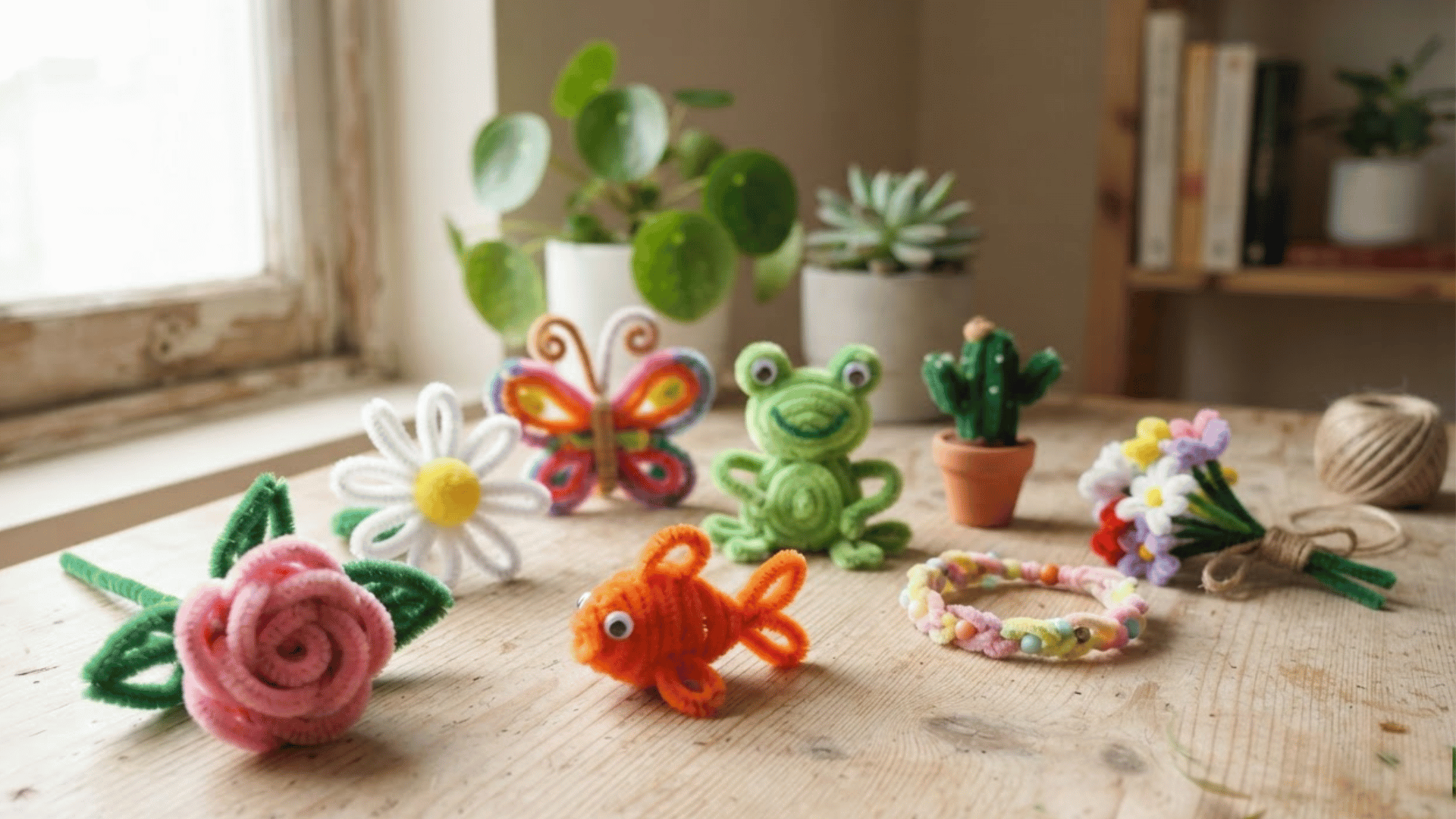
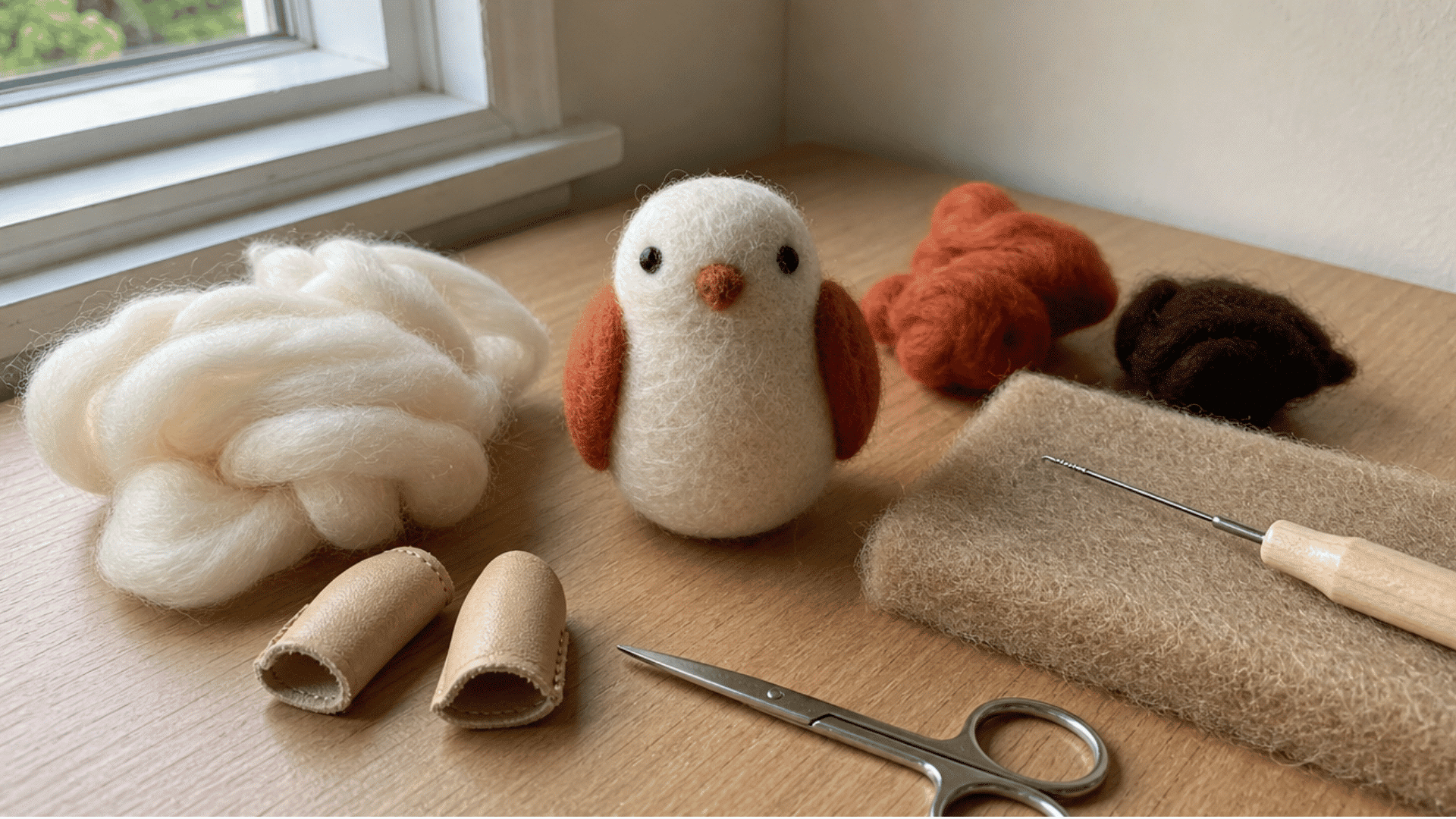
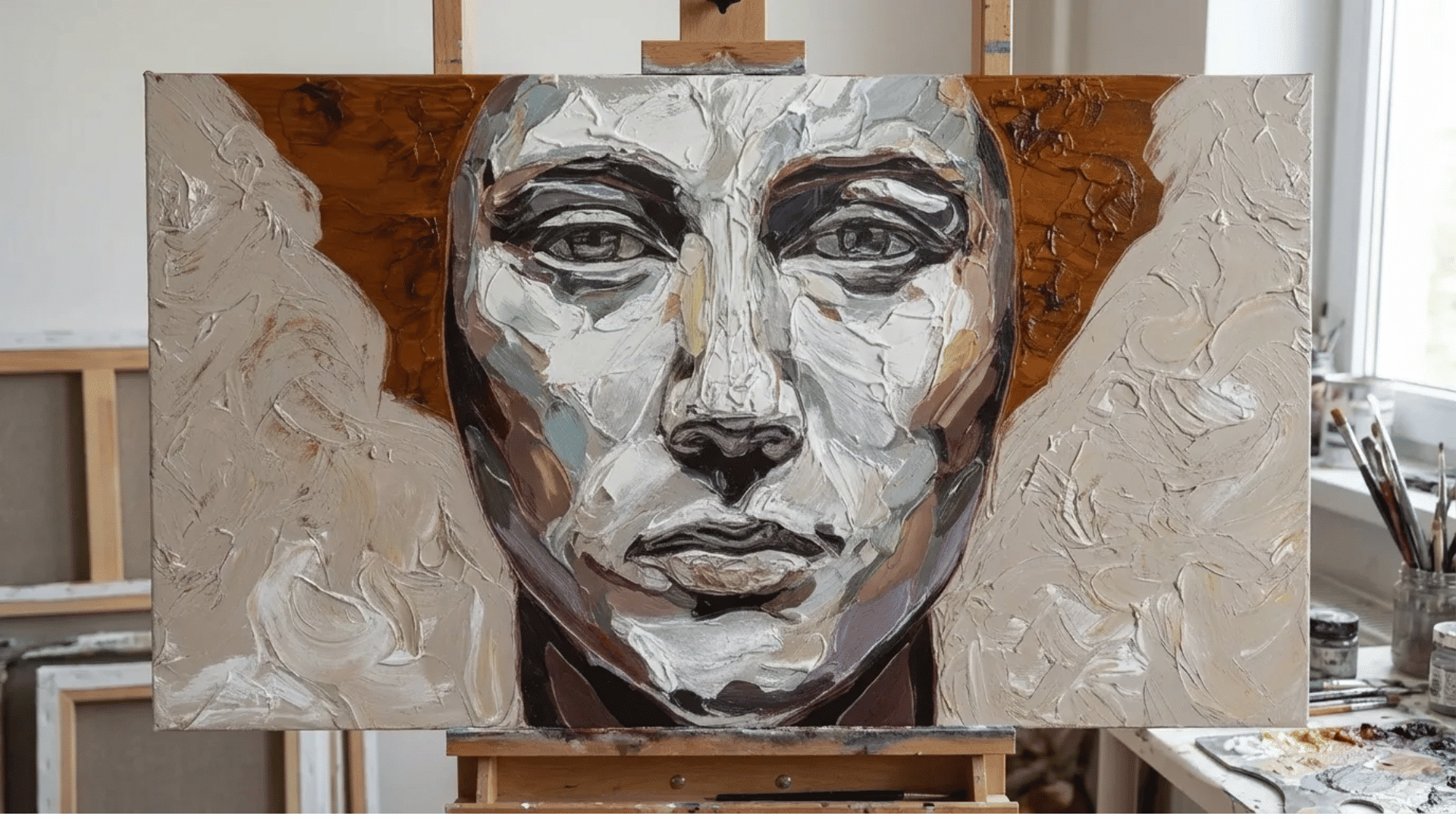
Texture is one of those art elements that people notice without always thinking about it.
In this blog, you’ll get a clear idea of how texture works in art and why it plays such an important role.
Instead of just definitions, you’ll also see how artists actually use it across different styles and mediums, along with simple ways to recognize and apply it in your own work.
What is Texture in Art?
Texture in art refers to how a surface looks or feels, either physically or visually. It can be real, like rough paint or smooth clay, or implied, where artists create the illusion of texture using lines, shading, and color.
Texture helps bring artwork to life by adding depth and detail. It allows viewers to imagine how something might feel just by looking at it, making the piece more engaging and realistic.
Why It Matters:
- Adds depth and dimension to artwork
- Makes visuals more realistic and engaging
- Helps guide the viewer’s attention
- Enhances contrast and composition
Types of Textures Used in Art
Artists use different types of textures to add depth, detail, and visual interest to their work.
Actual Texture
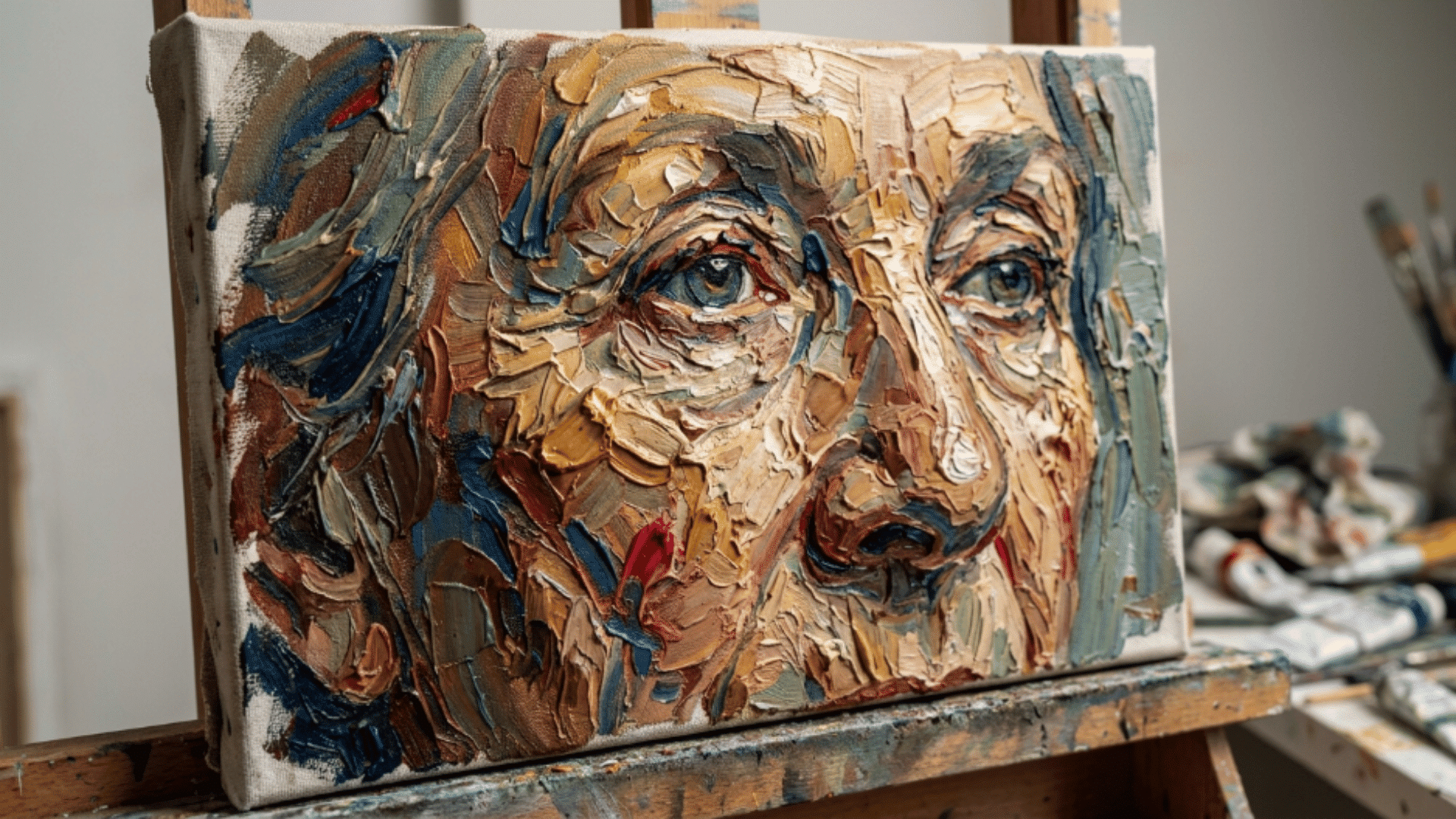
Actual texture in art is one of the key elements of art texture, referring to the physical surface quality of an artwork that can be felt by touch and seen clearly.
It involves real variations in the surface, such as roughness, smoothness, or softness, and is often seen in sculptures, impasto paintings, or textured materials in visual art forms.
In texture in art, actual texture adds a tangible dimension to the composition, enhancing the viewer’s sensory experience and overall visual impact.
Implied Texture
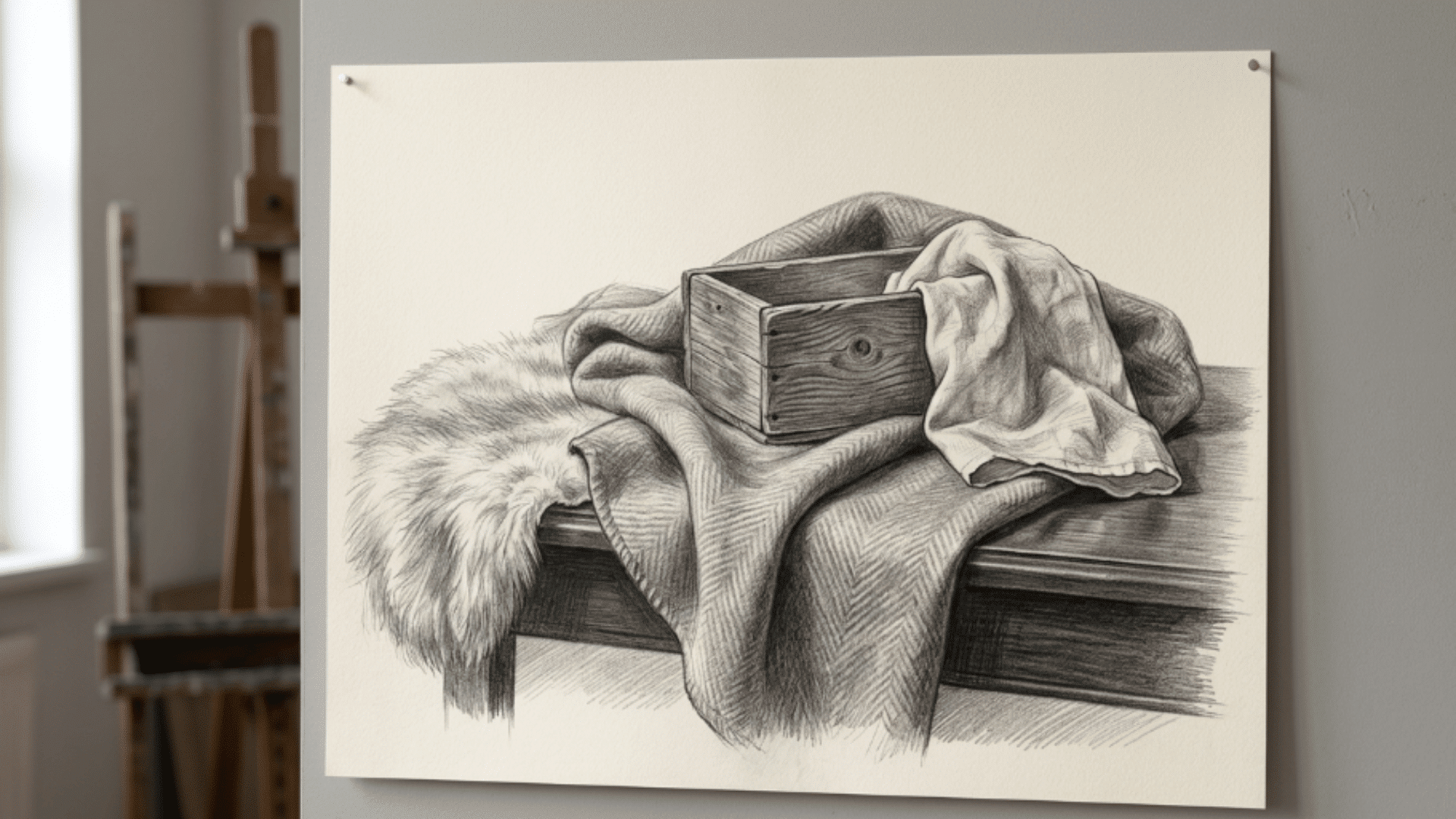
Implied texture in art is one of the key elements of art texture, referring to the visual appearance of texture created through artistic techniques without physical surface changes.
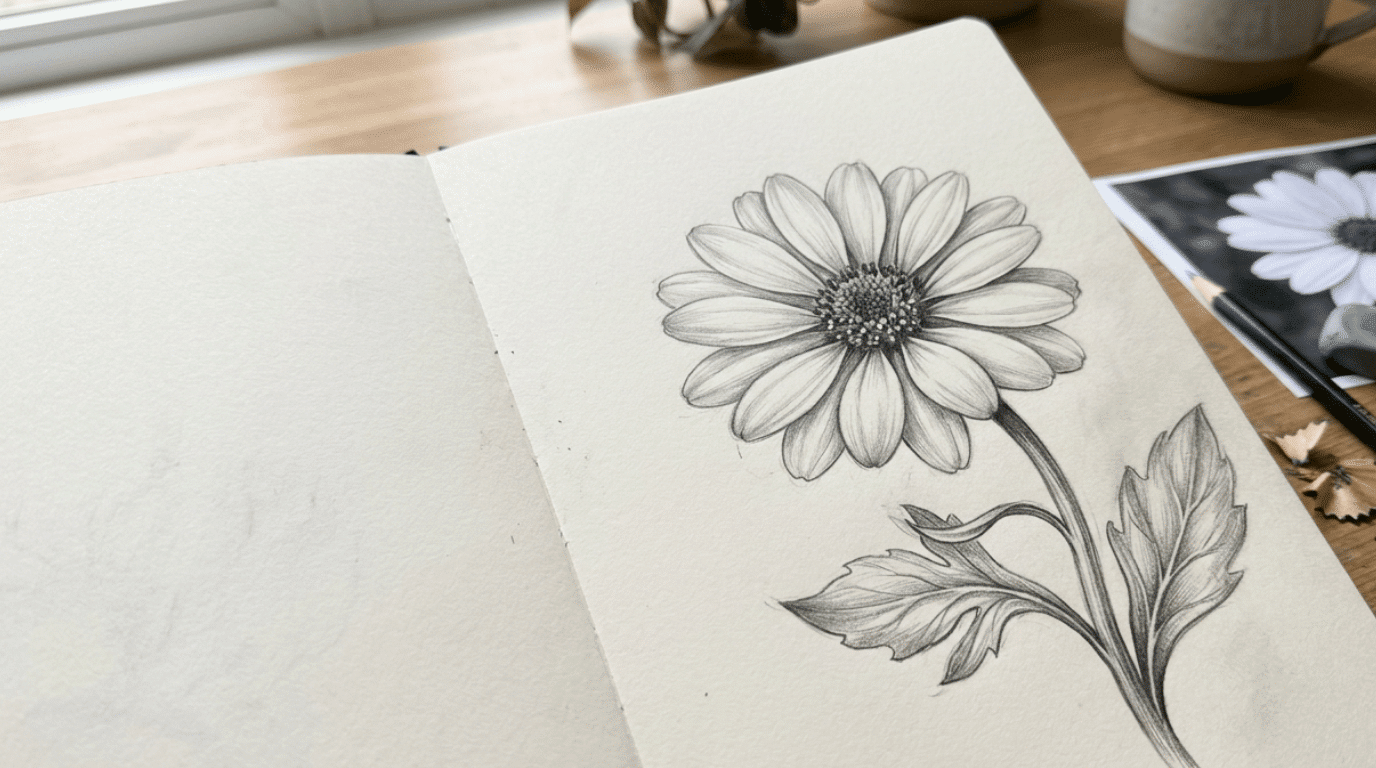
It involves methods such as shading, cross-hatching, and brushwork to suggest textures like fur, fabric, or wood grain in visual art forms.
In texture in art, implied texture adds a visual dimension to the composition, enhancing the viewer’s perception and overall visual interest.
Quick Comparision
| Feature | Actual Texture | Implied Texture |
|---|---|---|
| Definition | The real, tactile surface quality that can be physically felt. | The illusion of texture is created through visual techniques. |
| Presence | Physically present in the artwork. | Only visible through artistic techniques, not tangible. |
| Common Techniques | Sculpture, thick brushstrokes, textured materials like fabric or sand. | Shading, hatching, cross-hatching, and patterning. |
| Sensory Experience | Can be touched and felt by the viewer. | Can only be “felt” visually, creating a sense of texture. |
| Example | A textured sculpture or impasto painting. | A painting of fur or wood grain created using light and shadow. |
Applications of Texture in Various Art Forms
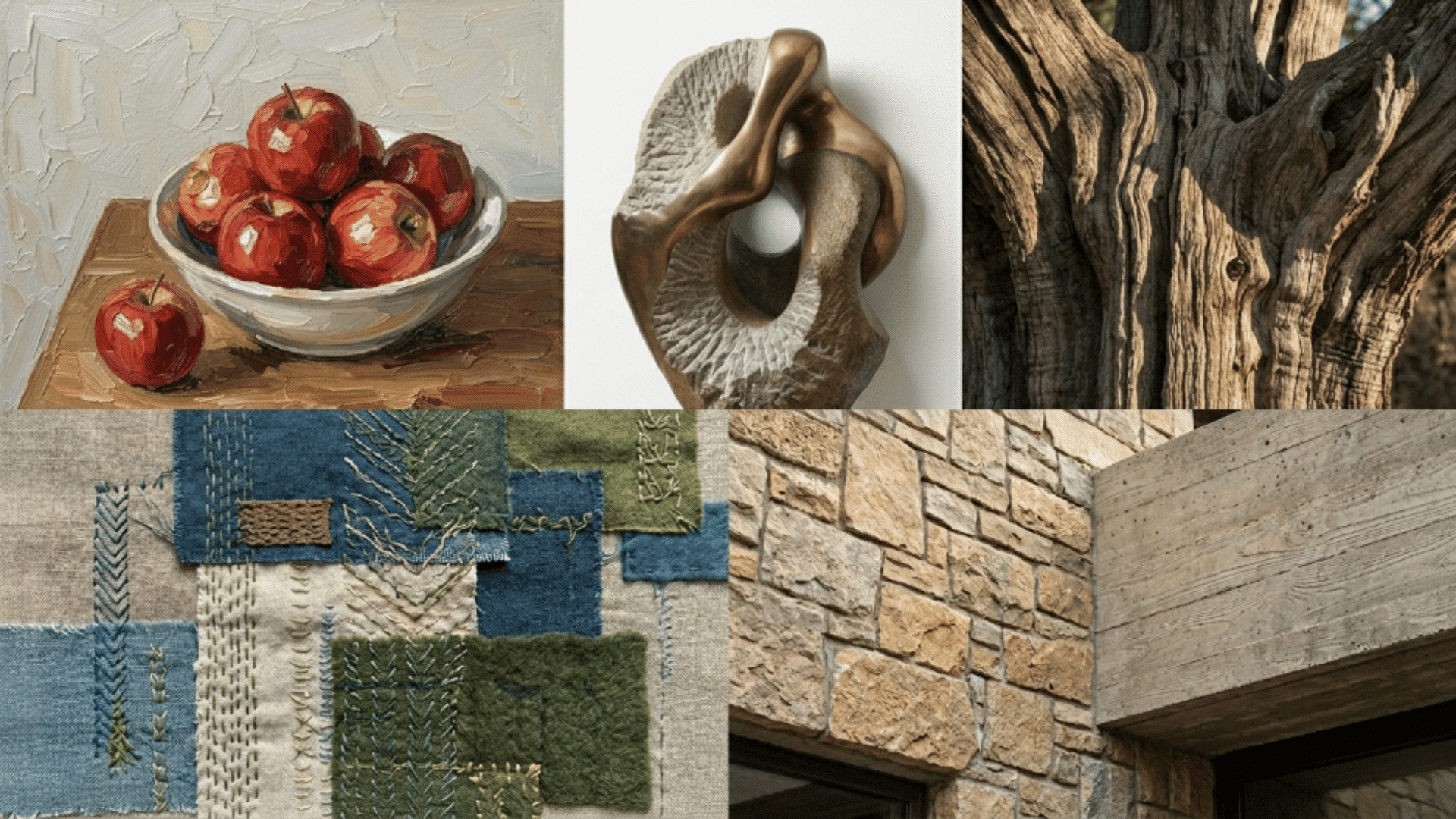
Texture plays an important role in many art forms by adding depth, emotion, and visual interest. It helps artists make their work feel more real and engaging, even on flat surfaces.
1. Painting
In painting, texture is created through brushwork and the way paint is applied on the surface. Artists may use thick layers of paint or vary their strokes to build a textured effect.
This technique helps highlight details and adds movement to the artwork. Texture in painting also improves how light and shadow appear, making the piece feel more lively.
Layering paint can create depth and a more complex surface. Even subtle texture can make a painting feel complete. Tools, like palette knives, can change how the texture appears.
2. Sculpture
Sculpture uses real, physical texture that can be seen and touched. Artists shape materials like stone, metal, or clay to create smooth or rough surfaces.
This helps define form, structure, and fine details in the artwork. Texture also changes how light interacts with the surface, adding depth.
It makes the sculpture visually engaging from different angles. Carving and casting techniques all affect surface texture. Rough and smooth areas can be combined to create contrast.
3. Photography
In photography, texture is captured through lighting, focus, and composition. Light and shadow play a key role in showing surface details.
Photographers often adjust angles to highlight textures. This helps bring out depth and detail in subjects like nature or objects. Texture adds realism, making images feel clearer.
Close-up shots are often used to emphasize fine textures. Editing tools soften the texture in art. Different lighting conditions can completely change how the texture appears.
4. Textile Art
Textile art creates texture through a range of materials, fibers, and stitching techniques. Artists combine fabrics and threads to create layered, varied surfaces.
The way materials are arranged adds both physical texture. This technique helps create patterns within the artwork. It also makes the piece more interactive and visually rich.
Weaving, knitting, and embroidery all contribute to texture. Different fabric types create unique surface effects. Texture can also help tell a story through patterns and layers.
5. Architecture
In architecture, texture is used through materials and surface finishes. Different materials like wood, stone, or concrete create varied textures.
They also help create contrast and balance in the overall design. Texture adds character and improves the visual appeal of structures. Surface finishes can be smooth, rough, or patterned.
Texture can influence how a space feels, from warm to industrial. It also helps connect the structure with its surroundings.
Methods Used by Artists to Create Texture
These techniques show how texture in art can be applied in different ways to build depth, add detail, and create a more engaging visual experience.
- Layering: Applying multiple layers of paint or materials builds depth, creating both visual, physical, and tactile texture on the surface.
- Brushwork: The direction, thickness, and type of brushstrokes can create rough, smooth, or soft textures, adding dimension and movement.
- Impasto: Thick layers of paint stand out from the surface, giving the artwork a raised, bold, and prominent three-dimensional texture.
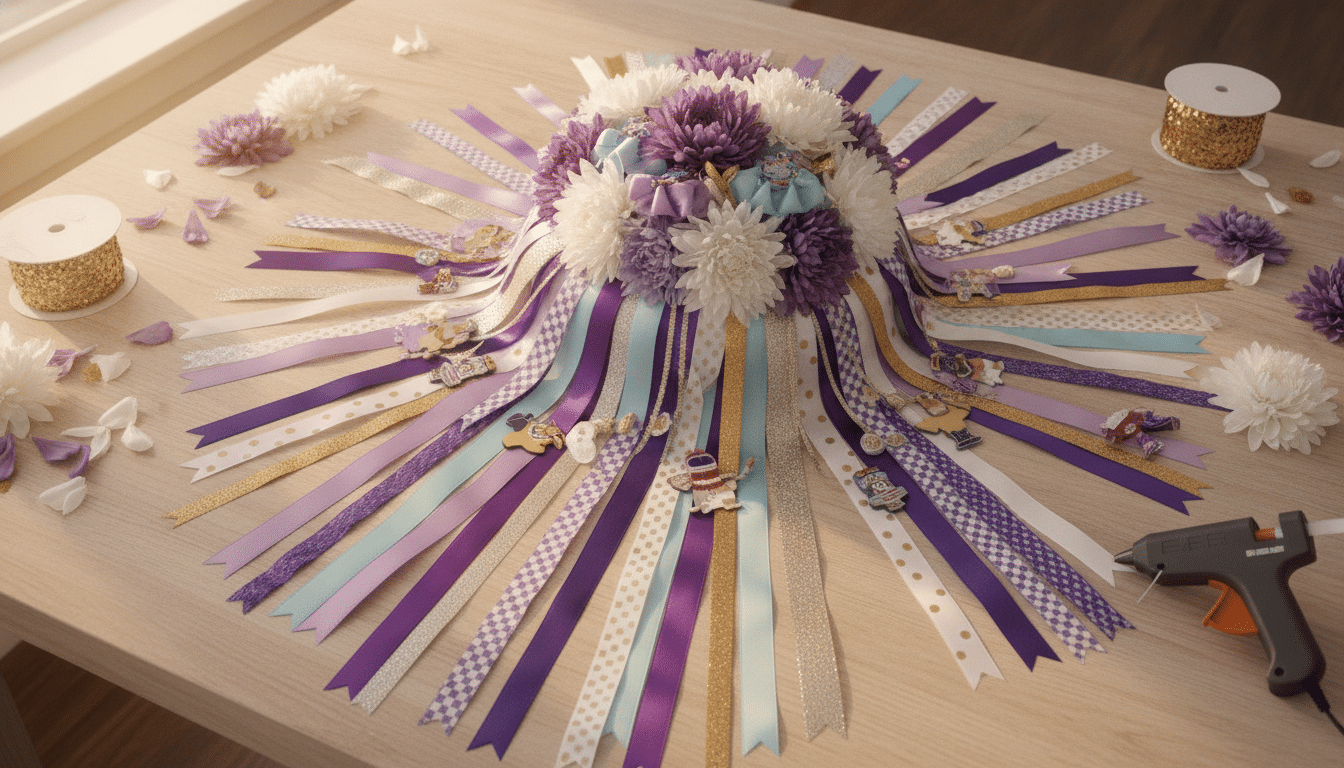
- Mixed Media: Combining different materials, such as fabric, sand, or paper, creates texture, offering tactile, visual, and contrasting sensations.
- Collage and Assemblage: Layering materials such as paper, fabric, and found objects creates complex, unusual textures in unique artworks.
Conclusion
Texture is a crucial element of art that greatly enhances artistic expression. It adds depth, dimension, and emotional impact, making compositions more engaging and active.
Whether through physical texture or visual techniques, texture in art plays a key role in evoking feelings and guiding the viewer’s focus.
As you engage with different art forms, pay attention to how texture is applied and consider incorporating it into your own creative work.
By experimenting with texture, you can bring your art to life, adding richness and meaning to every piece you create.
Start applying these texture techniques in your next artwork and see how small changes can make a big difference in your overall composition.
Frequently Asked Questions
Which art supplies are best for creating texture?
Acrylic paint, palette knives, charcoal, and mixed materials like fabric or sand work well.
Can texture be used in digital art?
Yes, digital tools use brushes, overlays, and effects to create realistic texture.
What is the easiest way to create texture for kids?
Using simple strokes, dots, and patterns is an easy way for kids to understand texture.