


Choosing the best fabric for embroidery can be a game-changer for your projects.
If you’re starting or looking to strengthen your skills, the embroidery fabric you pick will affect how your stitches look and feel.
Some fabrics are easier to work with than others, and some offer a smoother surface for intricate designs. This guide will lead you through the best fabric for embroidery, especially for beginners.
Why Fabric Choice Is Key to Perfect Embroidery?
Choosing the right embroidery fabric can make all the difference in your project. A smooth surface ensures clean, even stitches, making stitching easier and more precise.
Fabric durability is important, as it ensures your project will last and maintain its quality over time. The fabric should also complement your thread type, allowing it to show up beautifully on your design.
Beyond style, the weight and weave of the fabric directly affect how easily the needle passes through, impacting the overall stitching experience.
Getting this right from the start saves time, reduces frustration, and sets the entire project up for success.
Ultimately, the right fabric improves the overall look of your embroidery, adding texture, depth, and style to your piece.
Factors to Consider when Choosing the Best Fabric Embroidery
Not all fabrics are created equal, and picking the wrong embroidery fabric can throw off an entire project. Here are the key factors to keep in mind before making a choice:
- Fabric Weight and Texture: Lighter fabrics, such as cotton, are best for detailed designs. Heavier fabrics like linen are better for larger stitches. For clean stitches, choose a smooth-textured fabric, such as muslin or quilting cotton.
- Fabric Count and Thread Compatibility: The fabric’s thread count affects how well your embroidery will show. Higher thread counts offer a finer, more even surface for your stitches. Beginners should use medium-count fabrics (18 to 22 threads per inch) with a balanced weave.
- Fabric Color: Dark fabrics work well with light-colored threads, while light fabrics are good for darker threads. Choose a fabric color that complements your design and helps your stitches stand out. Cream or white works well with bright threads, while dark colors like navy work well with lighter threads.
Top Fabrics for Embroidery to Consider
These fabrics are beginner-friendly and perfect for different types of embroidery projects. When you’re working on small designs or large pieces, these options will give you great results.
1. Cotton Fabric
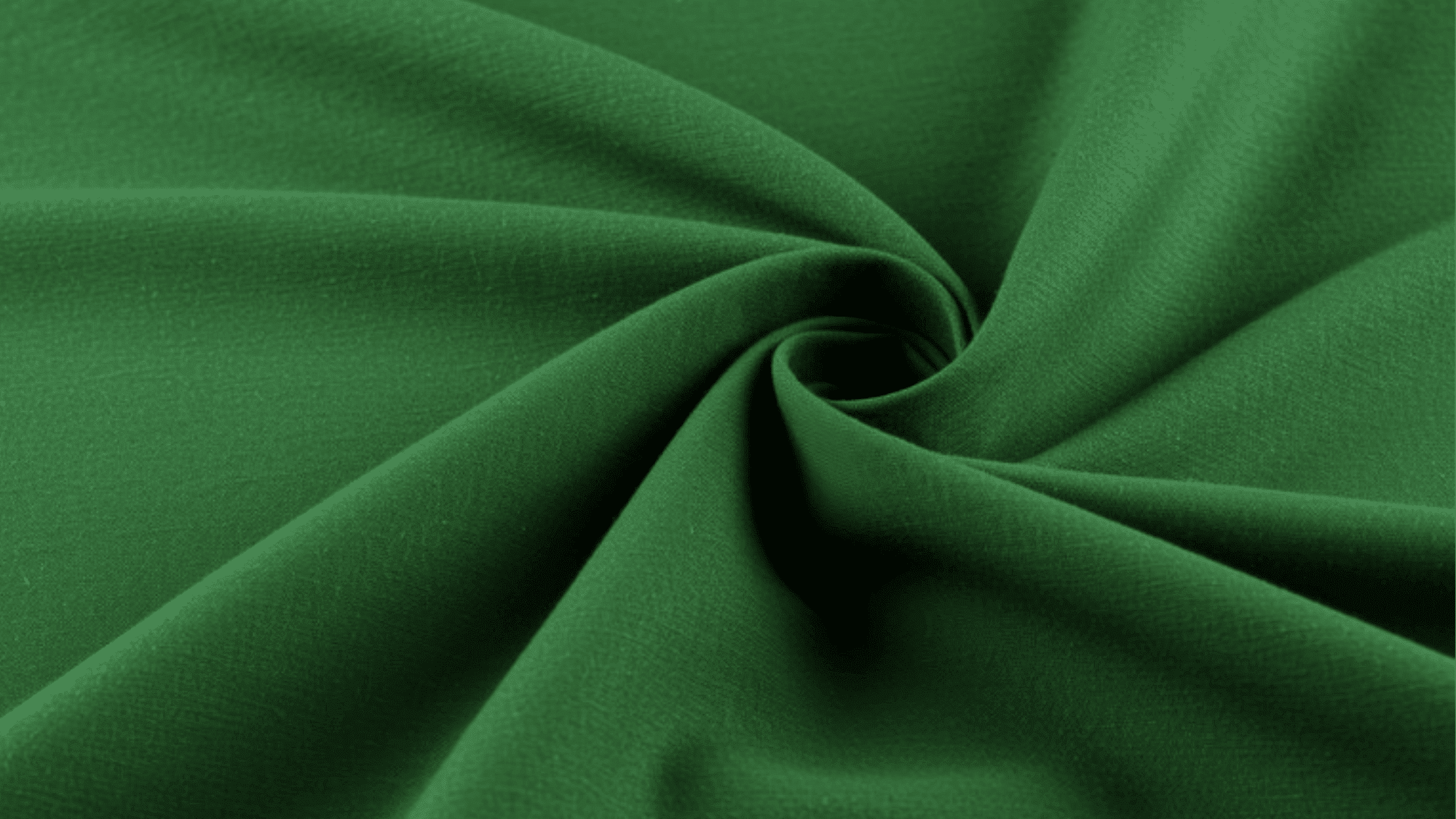
Cotton is one of the most popular embroidery fabrics, especially for beginners. It’s widely available and easy to work with, making it a go-to choice for various embroidery styles.
It provides a smooth surface for stitching and works for different designs.
- Why It’s Great for Embroidery: Cotton is soft, easy to stitch through, and comes in various weights. It’s one of the most popular choices for beginners.
- Best For: Floral designs, lettering, and general hand embroidery.
- Popular Specification for Embroidery:Softened cotton or cotton blends for smoother stitching and better thread compatibility.
2. Linen Fabric
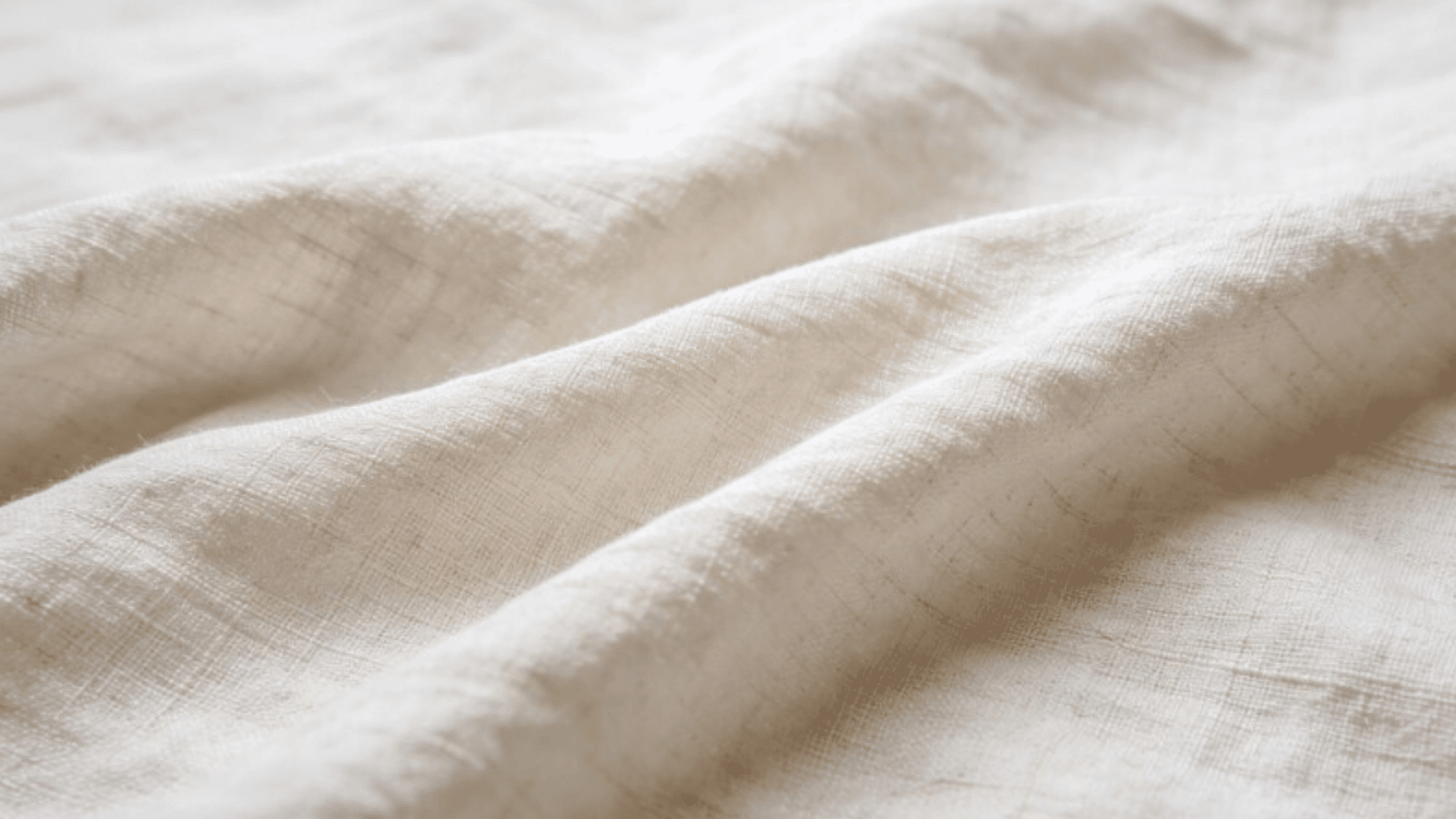
Linen has a natural, slightly textured surface that gives your embroidery a unique finish. It’s a great choice for those who want to add a rustic or vintage look to their work.
While slightly more challenging than cotton, linen offers a beautifully crisp result.
- Why It’s Great for Embroidery: Linen’s natural texture makes embroidery designs pop. It’s slightly more challenging than cotton but offers a beautiful, rustic finish.
- Best For: Vintage-style embroidery, samplers, and home decor pieces.
- Popular Specification for Embroidery: Softened linen or linen blends for easier stitching.
3. Aida Cloth (Ideal for Cross-Stitch)
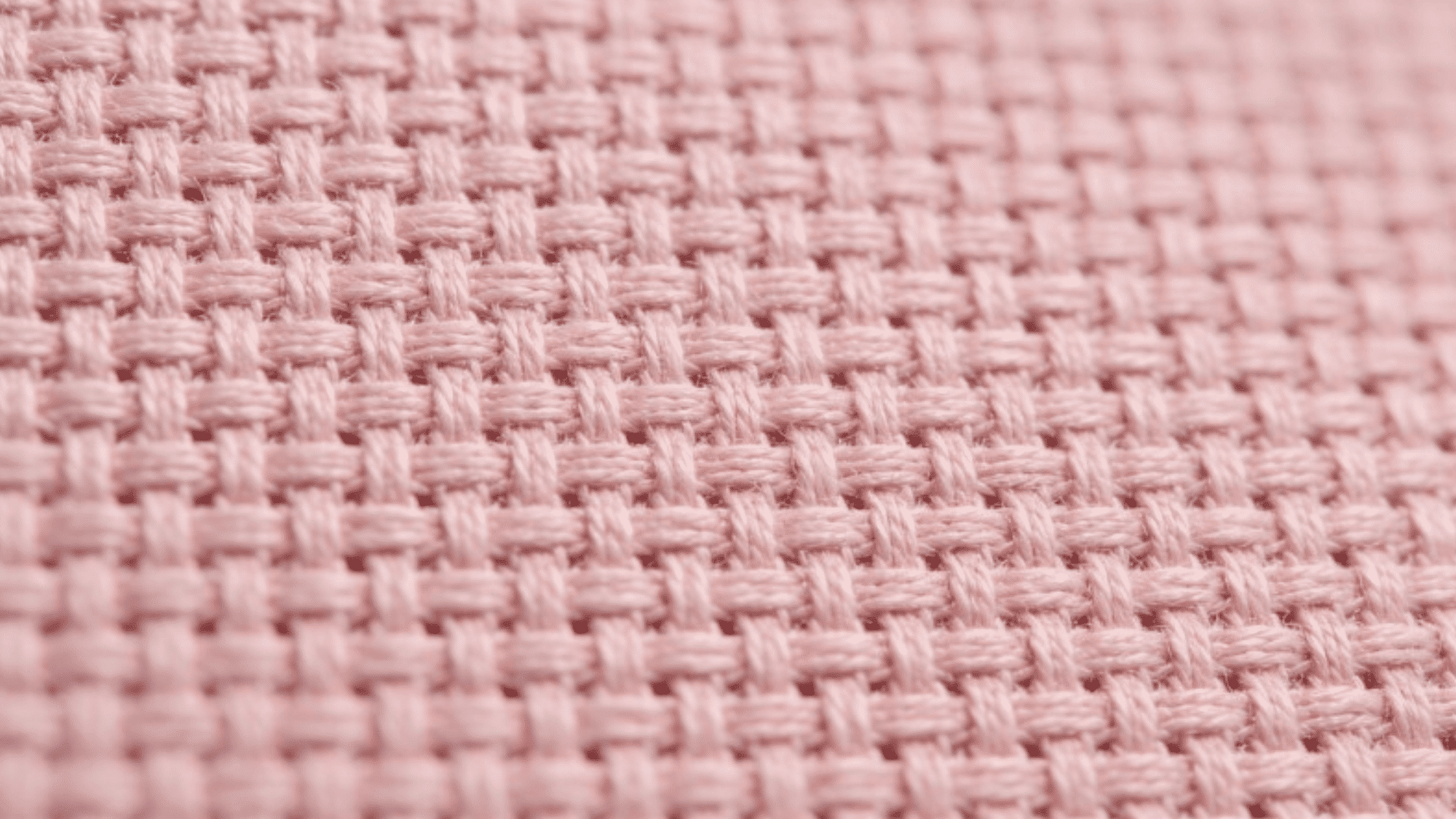
Aida cloth is specially designed for cross-stitch embroidery and other counted-thread techniques.
Its evenly spaced threads make it easy for beginners to follow patterns and achieve neat, uniform stitches. It’s a fantastic choice for those just starting with embroidery projects that require precise counting.
- Why It’s Great for Embroidery: Aida fabric is specifically designed for cross-stitch and other counted-thread embroidery. The evenly spaced threads make it easier for beginners to follow patterns.
- Best For: Cross-stitch, counted-thread work, and simple embroidery.
- Popular Specification for Embroidery: 14-count or 18-count Aida cloth, which provides evenly spaced holes that make stitching patterns easier and more precise.
4. Cotton Duck Fabric
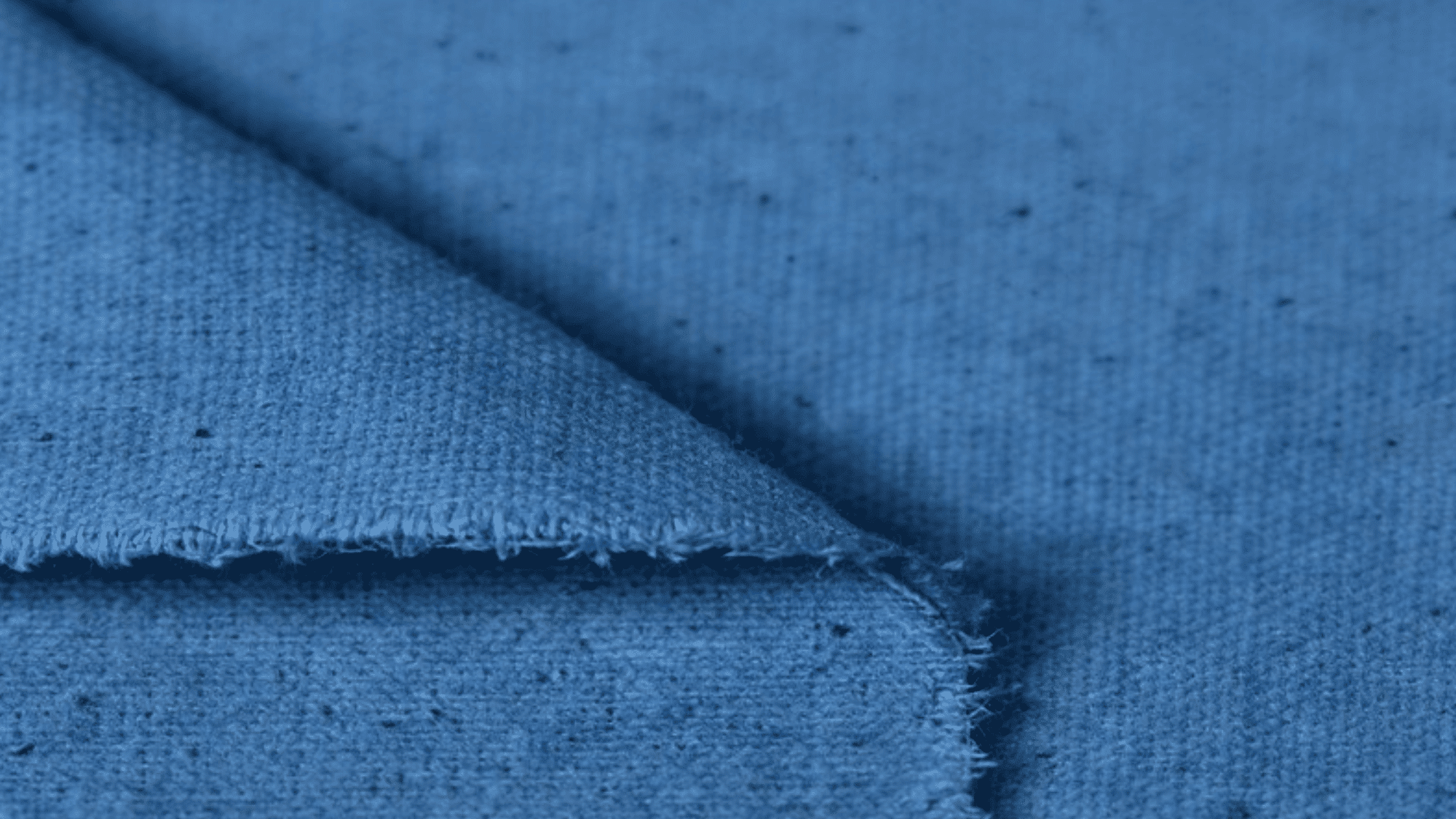
Cotton duck fabric is a heavy-duty, sturdy material perfect for embroidery projects that need a strong, durable base.
It has a slightly coarse texture, which makes it ideal for large, bold designs that need extra structure and a bit of texture.
- Why It’s Great for Embroidery: Cotton duck is a sturdy fabric with a slightly coarse texture. It’s great for larger, bold designs that require a stronger base.
- Best For: Bags, home decor, and upholstery embroidery.
- Popular Specification for Embroidery: Medium-weight cotton duck that provides a sturdy surface and holds stitches well for thicker threads and bold designs.
5. Canvas Fabric
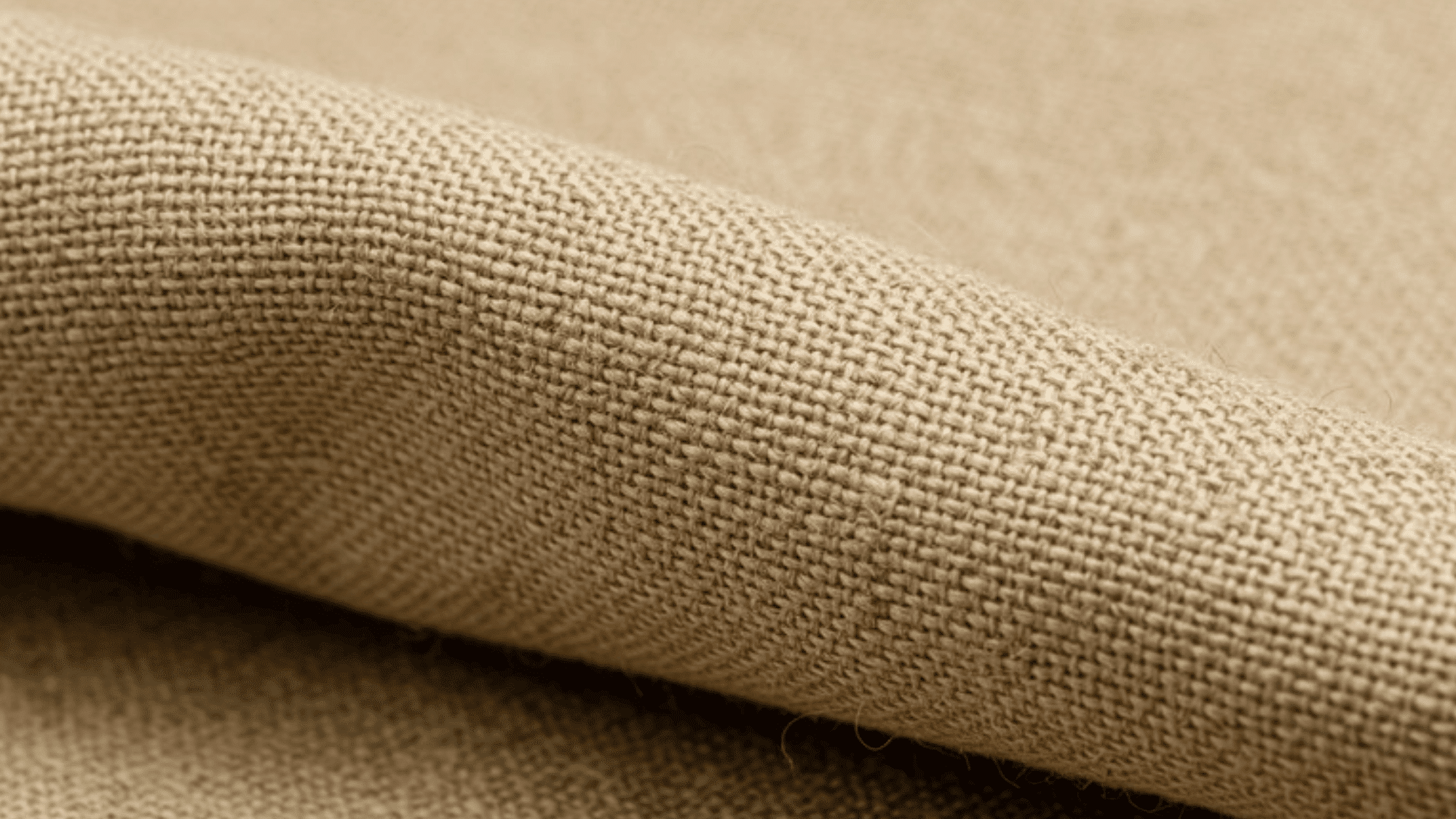
Canvas is a durable and strong embroidery fabric that works well for projects that require a sturdy surface. Though it’s heavier than cotton, its textured finish is perfect for bold and large embroidery designs.
It’s a top choice for projects that need to endure daily use.
- Why It’s Great for Embroidery: Canvas is durable and strong, making it great for projects that need a sturdy fabric. It’s heavier than cotton but offers great texture for bold embroidery designs.
- Best For: Bags, jackets, shoes, and home decor.
- Popular Specification for Embroidery: Medium-weight craft canvas or embroidery canvas that provides a firm surface and works well for bold stitches and textured designs.
Special Embroidery Fabrics for Advanced Projects
If you’re ready to step up your embroidery game, these fabrics enable detailed, high-end work for intricate designs can turn your projects into stunning pieces of art.
6. Silk Fabric
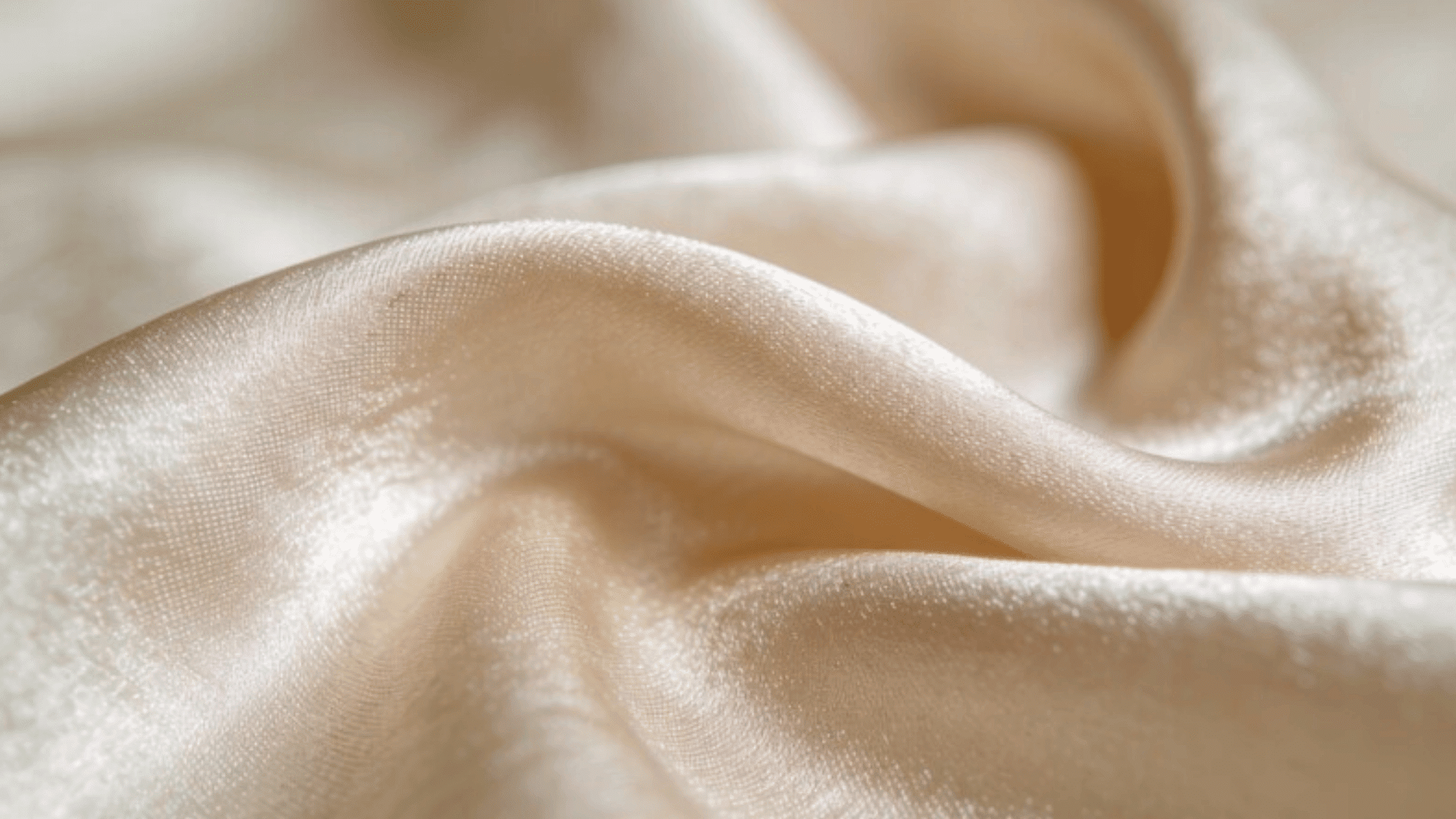
Silk fabric is luxurious and delicate, making it a top choice for high-end, detailed embroidery projects. Its smooth texture provides a perfect surface for fine threads, giving your work a refined finish.
- Why It’s Great for Embroidery: Silk is luxurious and delicate, offering a smooth surface for fine thread work. It’s ideal for high-end, detailed embroidery projects.
- Best For: High-end embroidery, luxury gifts, and delicate artwork.
- Popular Specification for Embroidery: Silk charmeuse or silk dupioni, which provides a smooth surface and adds a subtle sheen that highlights delicate stitches.
7. Tulle Fabric
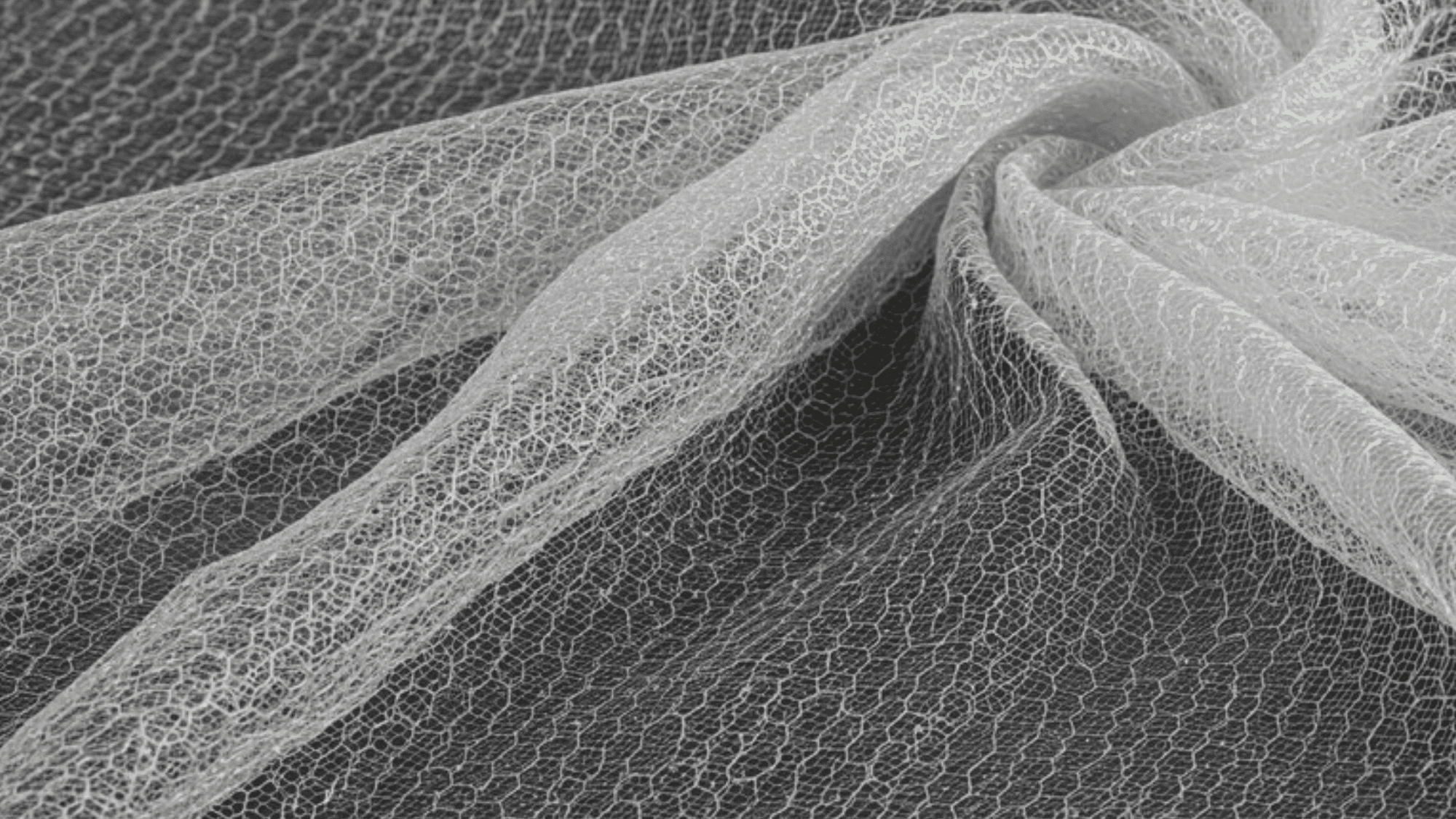
Tulle is a lightweight and sheer fabric that adds an ethereal, delicate look to your embroidery. It’s often used in bridal and costume designs, giving your projects a soft, airy effect.
- Why It’s Great for Embroidery: Tulle is lightweight and sheer, giving your embroidery an ethereal look. It’s perfect for delicate or bridal designs.
- Best For: Bridal, dance costumes, and delicate accents.
- Popular Specification for Embroidery: Soft tulle or bridal tulle that provides a lightweight mesh surface, ideal for delicate stitches and airy designs.
8. Felt Fabric
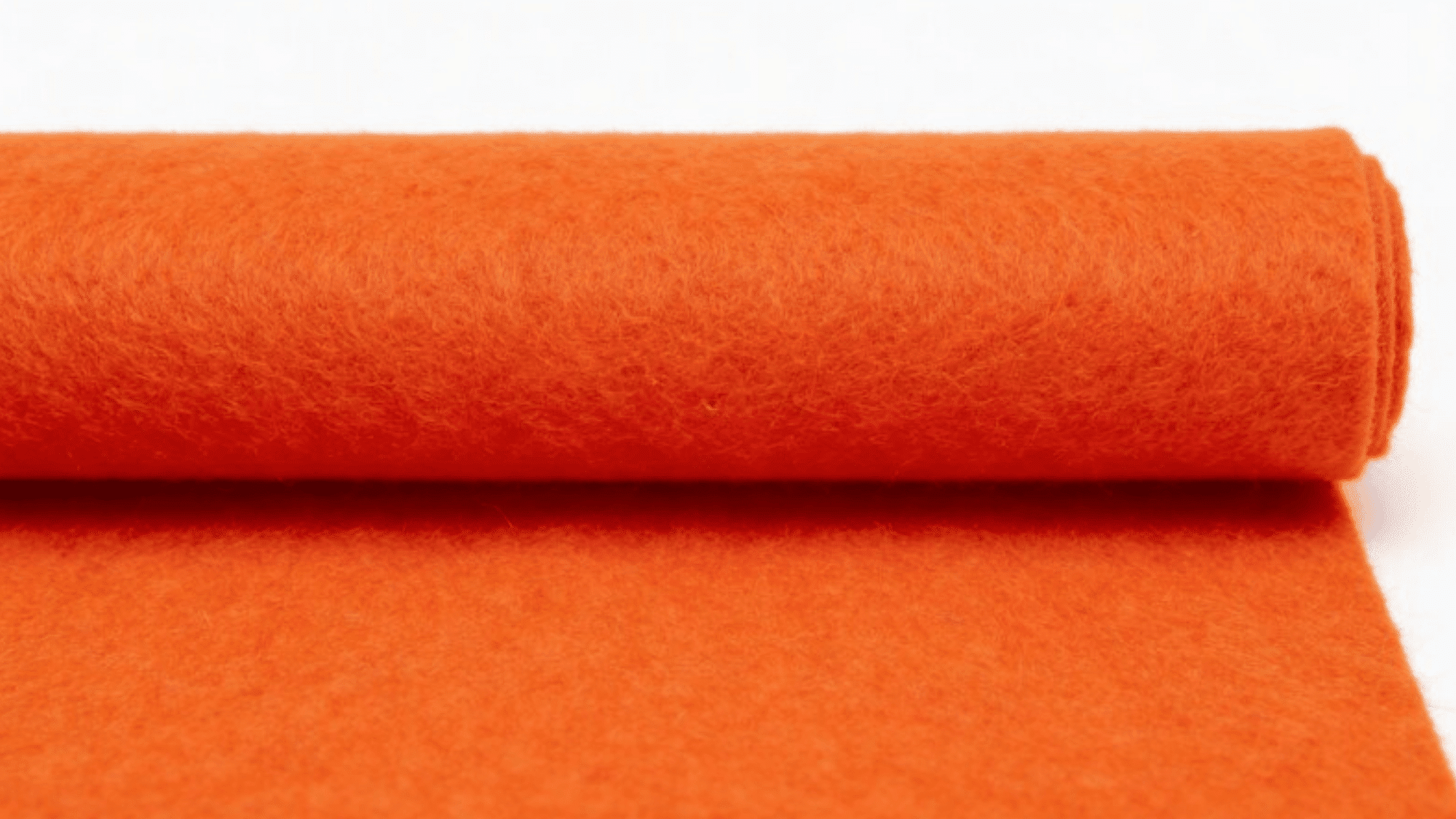
Felt has a thicker, dense texture that’s easy to work with and doesn’t fray, making it perfect for small, decorative projects like ornaments or appliqués.
It adds structure to your designs while being forgiving for beginners and advanced crafters alike.
- Why It’s Great for Embroidery: Felt has a thicker texture that’s easy to work with and doesn’t fray. It’s a great option for embellishing small items like ornaments or appliqués.
- Best For: Appliqué, embellishments, and small decorative items.
- Popular Specification for Embroidery: Wool or acrylic felt, which provides a thick, stable surface and works well for bold stitches and decorative designs.
How to Choose the Apt Fabric for Your Project?
Picking the wrong fabric can throw off an entire embroidery project before it even begins. Here are the most common mistakes people make when choosing embroidery fabric, along with what to do instead to get the best results.
| Factor | What to Consider | Fabric Suggestions |
|---|---|---|
| Type of Embroidery | For Fine Details: Choose fabrics with a smooth, even texture for intricate designs. | Cotton, Linen |
| For Bold Designs: Choose heavier fabrics for larger stitches and pronounced designs. | Canvas, Duck Fabric | |
| Thread Type Compatibility | Fine Threads: Opt for smooth fabrics that allow fine threads to shine and stay even. | Linen, Aida Cloth |
| Thicker Threads: Use sturdier fabrics to support thick threads and prevent them from sinking. | Canvas, Duck Fabric | |
| Fabric Durability | For Everyday Use: Choose fabrics that can handle daily wear and tear while maintaining quality. | Cotton, Canvas, Duck Fabric |
| For Decorative Pieces: Use good fabrics for special projects that won’t be used daily. | Silk, Linen, Tulle |
The Bottom Line
Choosing the best fabric for embroidery is essential to achieving the desired outcome for your project.
By considering factors such as fabric weight, texture, thread compatibility, and durability, you can select the perfect embroidery fabric to complement your design.
If you’re working with delicate silks for intricate work or sturdy canvas for bold designs, the right fabric makes a huge difference.
With the right embroidery fabric, your stitches will shine, and your projects will stand out, ensuring beautiful results every time.
One Response
testing