



There’s something exciting about planning a home makeover. Choosing new paint colors, rearranging furniture and finding the perfect decorations can make even familiar rooms feel fresh again. For people who enjoy DIY projects, transforming a space is often just as satisfying as enjoying the finished result.
However, decorating isn’t always the best place to begin. Small maintenance problems can go unnoticed until furniture is moved, old wallpaper is removed or a ceiling receives a fresh coat of paint. Addressing these issues before starting a makeover can help homeowners avoid wasted effort and protect the improvements they’ve worked hard to create.
Look for Problems Before Making Cosmetic Changes
A room can look perfectly fine at first glance while hiding problems that need attention. Peeling paint, uneven flooring and small cracks around windows may indicate ordinary wear, but they can also suggest moisture or structural concerns.
Before purchasing decorating supplies, take time to examine the space carefully. Move furniture away from walls, inspect corners and look for discoloration around ceilings and windows.
Pay particular attention to areas where moisture tends to collect, such as bathrooms, kitchens and exterior walls.
Identifying the cause of a problem matters more than covering it with new materials. Otherwise, a beautifully finished room may need repairs again within months.
Make Sure Your Roof Isn’t Causing Interior Damage
Roofing problems can affect rooms that appear completely unrelated to the home’s exterior. A small leak may eventually leave stains on ceilings, damage insulation or cause paint to bubble.
These warning signs deserve investigation before homeowners begin redecorating.
Missing shingles, damaged flashing and worn roofing materials can allow water to enter during heavy rainfall. Because the source of a leak isn’t always directly above the visible stain, professional inspections may be necessary.
Finding qualified assistance often begins with a location-specific search. For example, homeowners looking for roofing Choctaw OK services may be trying to identify local contractors who can inspect storm damage, assess aging roofing materials or recommend appropriate repairs.
Roof work should be handled by qualified professionals rather than treated as another weekend DIY project. Addressing leaks before painting ceilings or installing new flooring can prevent repeated damage and unnecessary expenses.
Repair Walls Before Repainting or Decorating
Fresh paint can dramatically change a room, but damaged walls often become more noticeable after a new color is applied.
Small nail holes and minor surface imperfections are usually straightforward to repair. Larger cracks, recurring stains or areas where plaster feels soft may require closer examination.
Homeowners should determine whether damage is cosmetic or connected to an underlying problem before applying filler or paint.
Surface preparation also makes a difference. Cleaning walls, repairing imperfections and using suitable primer can produce a more consistent finish.
Taking care of these details first helps ensure that decorative improvements look intentional rather than like attempts to hide existing damage.
Check Flooring Before Adding New Furniture
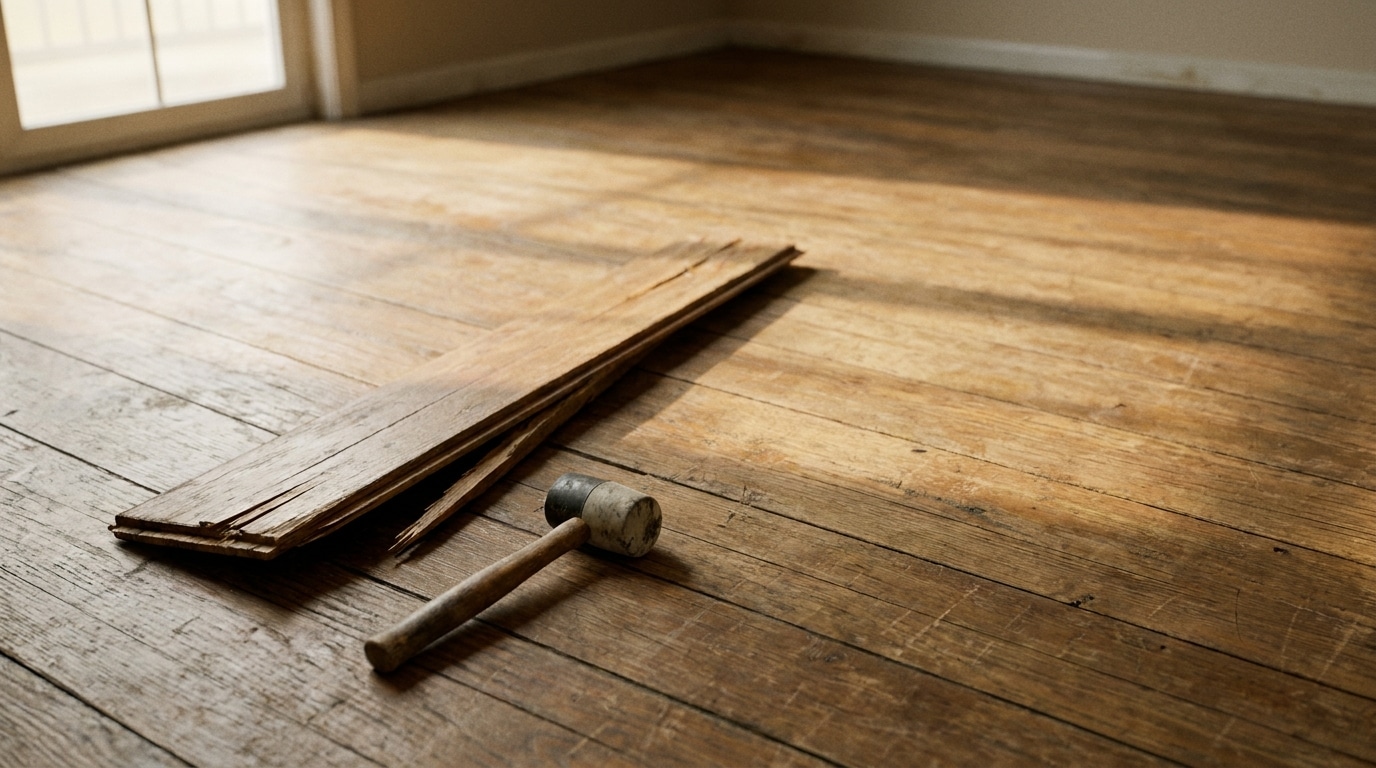
Flooring influences how a room looks and feels, yet it’s easy to overlook when planning a makeover around furniture and accessories.
Loose tiles, damaged floorboards and uneven surfaces should be addressed before bringing in heavy furniture or installing decorative rugs.
Moisture damage deserves particular attention. Flooring that feels unusually soft or shows persistent discoloration may indicate a problem beneath the visible surface.
In some cases, refinishing or repairing existing flooring can provide an attractive result without requiring complete replacement.
Once the surface is stable and properly maintained, homeowners can choose furniture arrangements and decorative pieces with greater confidence.
Don’t Ignore Ventilation and Moisture Problems
A beautiful room won’t remain comfortable if humidity and poor ventilation continue damaging its surfaces.
Bathrooms, laundry rooms and enclosed spaces are particularly vulnerable to moisture buildup. Condensation on windows, persistent damp odors and recurring mildew can indicate that ventilation needs attention.
Before installing wallpaper, shelving or decorative wall panels, check whether the room has adequate airflow.
Some improvements may be as simple as maintaining existing ventilation equipment or ensuring vents aren’t blocked. Other problems may require professional assessment.
For craft enthusiasts, controlling moisture is especially important because yarn, fabric and paper supplies can deteriorate when stored in damp conditions.
Know Which Projects Are Suitable for DIY
Not every household repair requires professional assistance. Painting, replacing cabinet handles, repairing minor wall imperfections and installing simple decorative shelves are projects many homeowners can manage with appropriate preparation.
Other tasks involve greater risks.
Electrical repairs, major plumbing work, structural alterations and roofing repairs may require specialized knowledge, equipment or permits.
Before beginning a project, consider the tools required, the possibility of hidden damage and what could happen if the work is completed incorrectly.
Hiring a professional for complicated repairs doesn’t take away from the satisfaction of a DIY makeover. It allows homeowners to concentrate on creative improvements while ensuring essential work receives appropriate attention.
Plan Your Makeover in the Right Order
The order of home improvements can influence both the final appearance and the overall cost.
Painting a room before repairing a leak, for example, may mean repeating the work later. Similarly, installing new flooring before completing major wall repairs can expose finished surfaces to unnecessary damage.
Begin by identifying essential maintenance tasks and arranging any professional assessments. Once repairs are complete, move on to surface preparation, painting and larger decorative changes.
Furniture placement, lighting and smaller accessories can usually come afterward.
Keeping a portion of the budget available for unexpected repairs is also sensible, particularly when renovating an older property.
Make Your Decorating Efforts Last
After completing a makeover, routine maintenance can help preserve the results. Small leaks, damaged seals and changes in wall surfaces should receive attention before they affect larger areas.
Regularly checking vulnerable parts of the home can also make future renovations easier to plan.
A thoughtful makeover balances visual appeal with the condition of the space itself. Fresh paint and handmade decorations can create a welcoming atmosphere, but they work best when the room underneath is properly maintained.
Sometimes, the smartest way to begin a creative home project is to put down the paintbrush and take care of a repair first.