



Moving to a new home can be an exciting experience for families, but it also comes with challenges, especially when children are involved. Between packing belongings, organizing transportation, and preparing the new house, parents often have several responsibilities to manage at once. During this busy period, children’s safety can sometimes receive less attention than it deserves.
In Florida, families may also need to consider the state’s warm weather and frequent rain, which can affect moving-day plans and create slippery conditions around entrances and walkways.
Young children may be curious about moving boxes, unfamiliar equipment, and open spaces, while older kids may want to help without understanding certain risks. Planning can help parents prevent accidents and make the transition more comfortable for everyone.
Here are some important safety precautions families should consider before, during, and after moving day.
Plan the Moving Process With Children’s Safety in Mind
A safe family move begins with proper planning. Parents should create a moving schedule that accounts for packing, transportation, childcare, and settling into the new home. Preparing these arrangements early can help reduce confusion and keep children away from potentially dangerous activities.
Moving heavy furniture, carrying large boxes, and loading vehicles can create hazards for young children. Professional moving assistance can help families manage these demanding tasks while parents focus on supervising their kids.
Relocating with children can become overwhelming when parents have to balance moving responsibilities with their family’s safety and comfort. Working with an experienced moving company can help simplify the process. Bekins of South Florida Movers is a professional moving company that provides residential and commercial relocation services, including packing, transportation, and storage solutions.
It also provides moving coordination services to help families organize the transportation of their household belongings. These arrangements can make the moving process more manageable for parents.
Keep Children Away From Heavy Furniture and Equipment
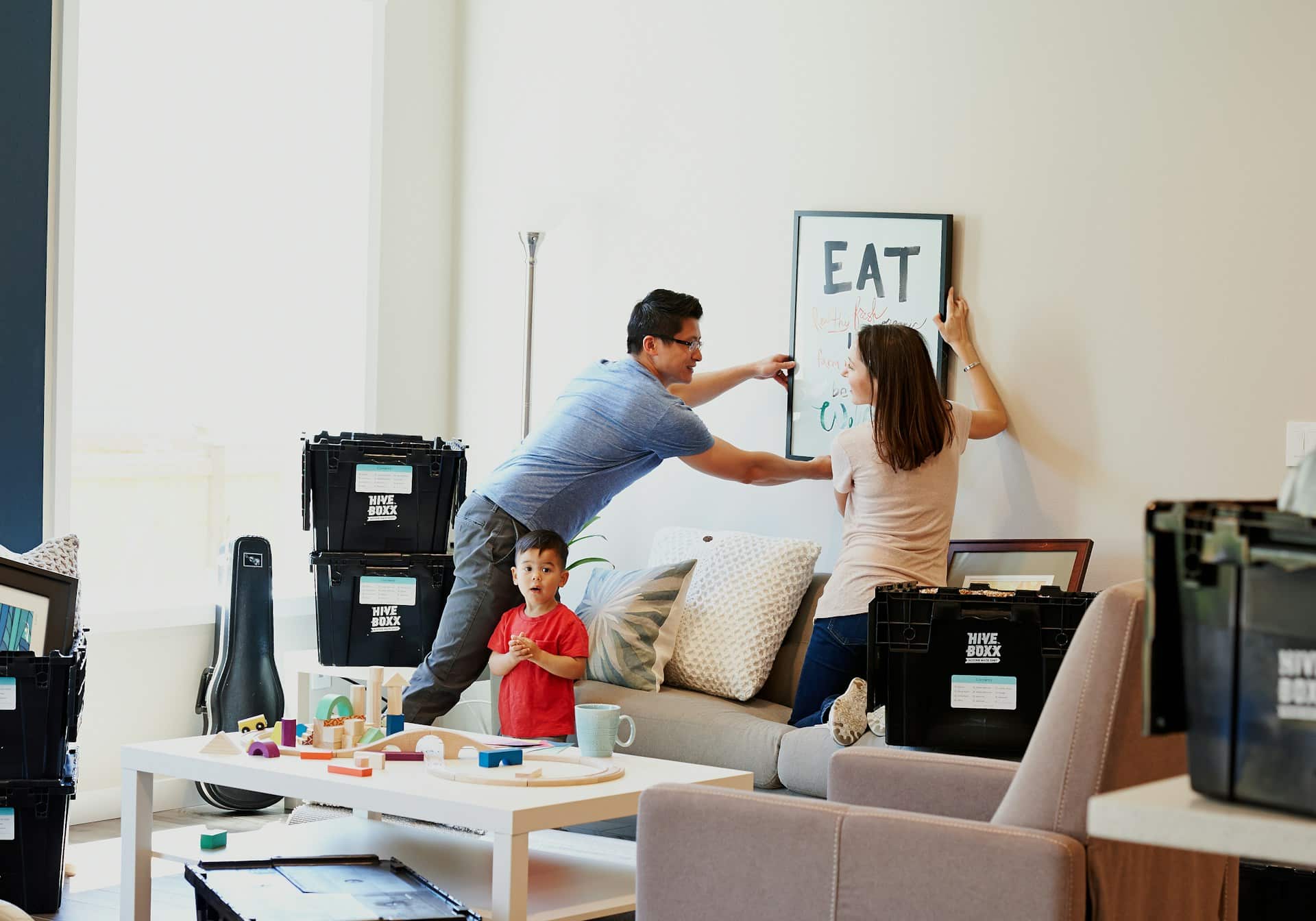
Moving day often involves carrying large furniture, using dollies, and transporting heavy boxes through narrow spaces. These activities can be dangerous when children are playing nearby.
Parents should establish clear boundaries around areas where furniture is being moved. Explain to children that they should never stand behind someone carrying a heavy object or attempt to move large items themselves.
If possible, arrange for younger children to stay with a trusted relative or caregiver during the busiest hours. For older children who remain at home, designate a safe room away from moving activities.
Pack Dangerous Household Items Separately
Many everyday household products can become safety hazards when packed carelessly. Cleaning chemicals, medications, sharp kitchen tools, batteries, and small objects should never be left within children’s reach.
Keep these belongings in clearly labeled, secure containers and store them somewhere children cannot access. Medications and other essential hazardous items should remain under adult control rather than being mixed into ordinary moving boxes.
Parents should also avoid placing heavy objects in weak cartons, as damaged packaging can cause items to fall unexpectedly. Proper packing helps protect both household belongings and family members.
Create a Safe Space for Kids on Moving Day
Children need a comfortable place to stay while adults handle moving responsibilities. A designated area can help keep them occupied and reduce the likelihood of wandering into unsafe spaces.
Choose a room that is not being used for loading or carrying furniture. Include familiar toys, books, coloring supplies, and comfortable seating to help children feel relaxed.
For toddlers, additional supervision is necessary because they may attempt to leave the room or explore nearby areas. A responsible adult should always be available to monitor younger children.
Keeping children entertained with familiar activities can also reduce anxiety during an unfamiliar experience.
Prevent Trips and Falls Around Moving Boxes
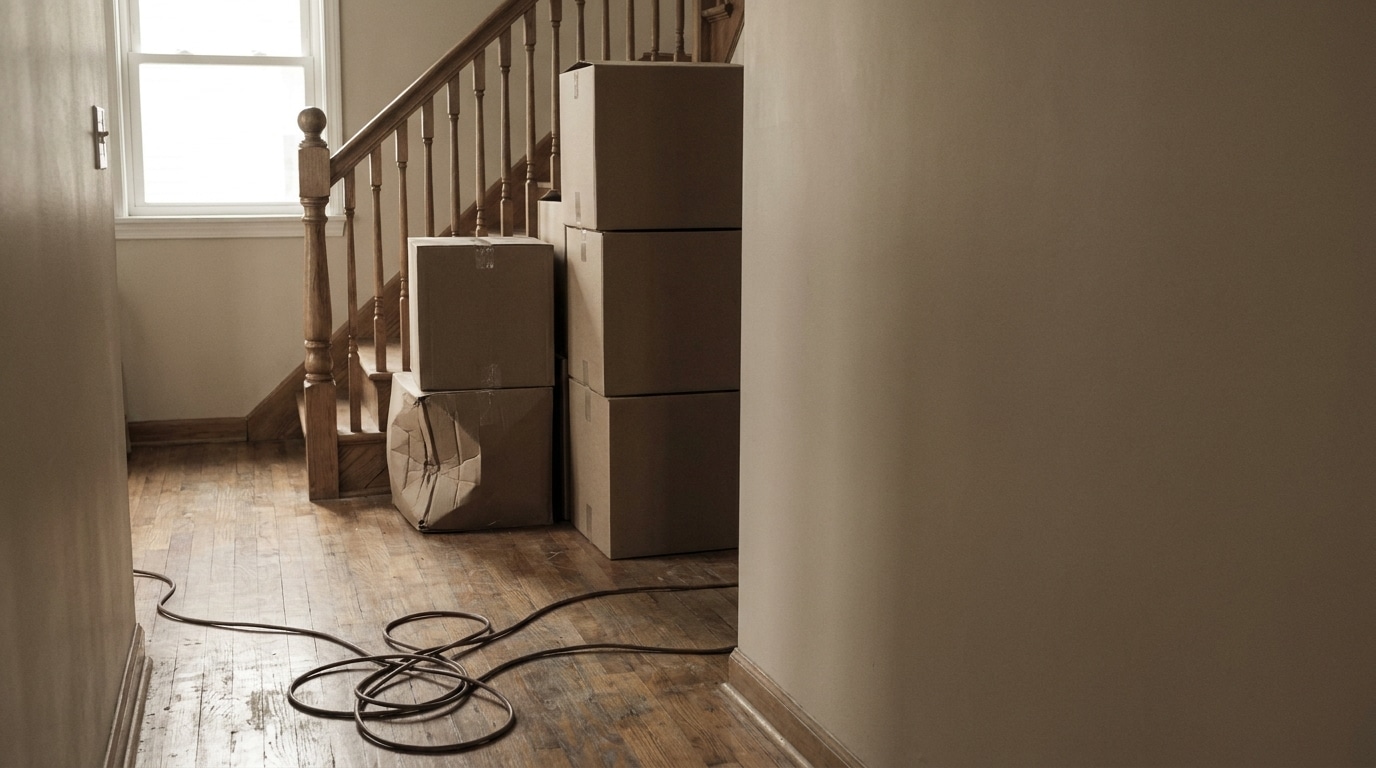
As belongings are packed, hallways and living spaces can quickly become crowded. Loose packing materials, stacked cartons, and electrical cords may increase the risk of trips and falls.
Parents should keep walkways clear and avoid leaving boxes near stairs, doorways, or frequently used areas. Packing tape, plastic wrapping, and other loose materials should be collected and discarded regularly.
Make sure children wear comfortable, closed-toe shoes on moving day. Proper footwear can help protect their feet from small objects and provide better stability while walking.
Good lighting is equally important, particularly in stairways, garages, and rooms where furniture has already been removed.
Prepare an Essentials Bag for Each Child
Packing everything into moving boxes can create problems when children suddenly need important belongings. An essentials bag ensures that necessary items remain accessible throughout the journey.
Parents can prepare a separate bag containing water, snacks, spare clothing, hygiene supplies, medications, and a favorite toy or comfort item.
For infants and toddlers, include diapers, wipes, feeding supplies, and additional clothing. Older children may appreciate having books, games, or headphones available during transportation.
Keeping these items close can prevent unnecessary searching through packed belongings and help maintain children’s comfort during the move.
Pay Attention to Safety During Transportation
Whether moving across town or traveling a longer distance, transportation requires careful preparation.
Children should travel in appropriate car seats or booster seats according to their age, size, and applicable safety requirements. Parents should check that these seats are correctly installed before departure.
Avoid placing loose boxes, heavy bags, or unsecured objects near passengers. During sudden braking, these items can shift and cause injuries.
For longer journeys, plan regular breaks so children can stretch, use the restroom, and eat comfortably. Keeping a predictable travel routine can also make the experience less tiring.
Inspect the New Home Before Children Explore
A new house may contain safety hazards that were not present in the previous home. Before allowing children to explore freely, parents should inspect important areas.
Check stairways, balconies, windows, electrical outlets, and exterior doors. Look for loose railings, exposed wires, damaged flooring, and other potential dangers.
Install appropriate safety gates, secure accessible windows, and keep hazardous materials out of reach. If the property has a swimming pool, ensure that suitable barriers and supervision arrangements are in place.
Parents should also confirm that smoke alarms and carbon monoxide detectors are installed where required and functioning properly.
Completing these checks before unpacking can help create a safer environment for the entire family.
Help Children Adjust to Their New Surroundings
Physical safety is important, but children also need emotional support during relocation. Leaving a familiar home, neighborhood, or school can create uncertainty, even when the move is a positive change.
Parents should explain what to expect and encourage children to share their concerns. Maintaining familiar meal times, bedtime routines, and family activities can provide reassurance.
Families should also introduce children to their new surroundings gradually, including nearby parks, schools, and other familiar community spaces.
Making Moving Day Safer for the Whole Family
Relocating with children requires more than organizing boxes and arranging transportation. Parents must also consider household hazards, travel safety, supervision, and the challenges of adjusting to an unfamiliar environment.
By preparing early, keeping dangerous items secure, creating safe spaces, and inspecting the new home, families can reduce avoidable risks throughout the process.
A thoughtful moving plan can help parents manage their responsibilities while giving children the attention and reassurance they need to settle comfortably into their new home.