


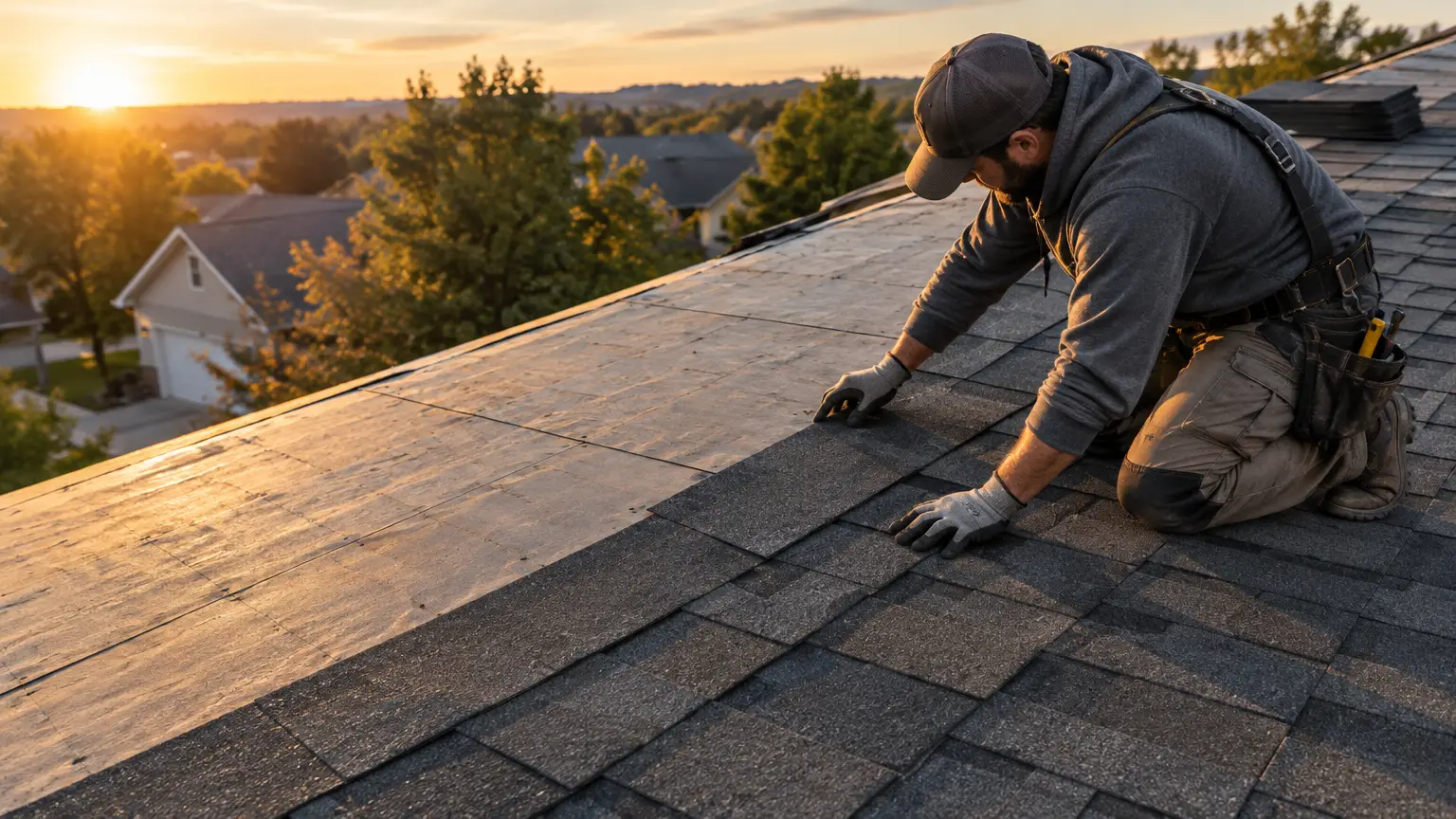
The combination of seven percent mortgage rates and tightening underwriting standards has completely rewritten the home-selling playbook.
In a high-rate environment, sellers can no longer rely on cosmetic surface updates to distract from aging structural components. Today’s buyers are financially stretched, leaving them highly sensitive to future maintenance liabilities.
If your home needs a new roof, attempting to sell it as-is is one of the most high-risk strategies you can choose. Understanding how the age and condition of your roof affect mortgage approvals, insurance eligibility, and buyer negotiations is the only way to protect your hard-earned equity and ensure a smooth, successful sale.
The Hard Math of Pre-Listing Roof Replacements
Many sellers hesitate to replace an aging roof because they look strictly at direct cost-recovery percentages. According to [national Cost vs. Value data](/cost-vs-value), a standard architectural asphalt shingle roof replacement recovers approximately 60% to 70% of its initial cost in immediate appraisal value.
For a typical 1,500 to 2,500 square-foot home, this represents an upfront investment of $9,000 to $18,000, returning a major portion of that back at resale.
However, focusing solely on this direct return overlooks the massive indirect financial benefits of a proactive replacement. When a home is listed with a visibly worn, curling, or aging roof, buyers do not simply subtract the actual cost of a new roof from their offer.
Instead, they factor in an “inconvenience tax” and a safety margin, often discounting their offers by 10% to 20% to account for the hassle of managing a major construction project immediately after moving in.
By executing a professional replacement before your home hits the market, you eliminate this negotiating leverage, command a higher listing price, and maintain complete control over the transaction.
Why the “Buyer Credit” Strategy Fails at Seven Percent
In the past, many real estate agents advised sellers to list their homes with older roofs and simply offer a cash credit or price reduction at closing. In a high-interest-rate environment, this strategy frequently fails.
With mortgage rates at seven percent, buyers are using nearly all of their liquid cash to cover elevated down payments and closing costs. Because lenders do not allow buyers to roll a post-closing construction credit into their primary mortgage, a buyer cannot use a seller credit to pay a roofing contractor. The buyer must have the cash on hand to complete the replacement.
Knowing they will lack the liquid capital to replace a failing roof after closing, most buyers will simply bypass your listing in search of a truly move-in-ready home.
The Insurance Bottleneck: A Hidden Deal Killer
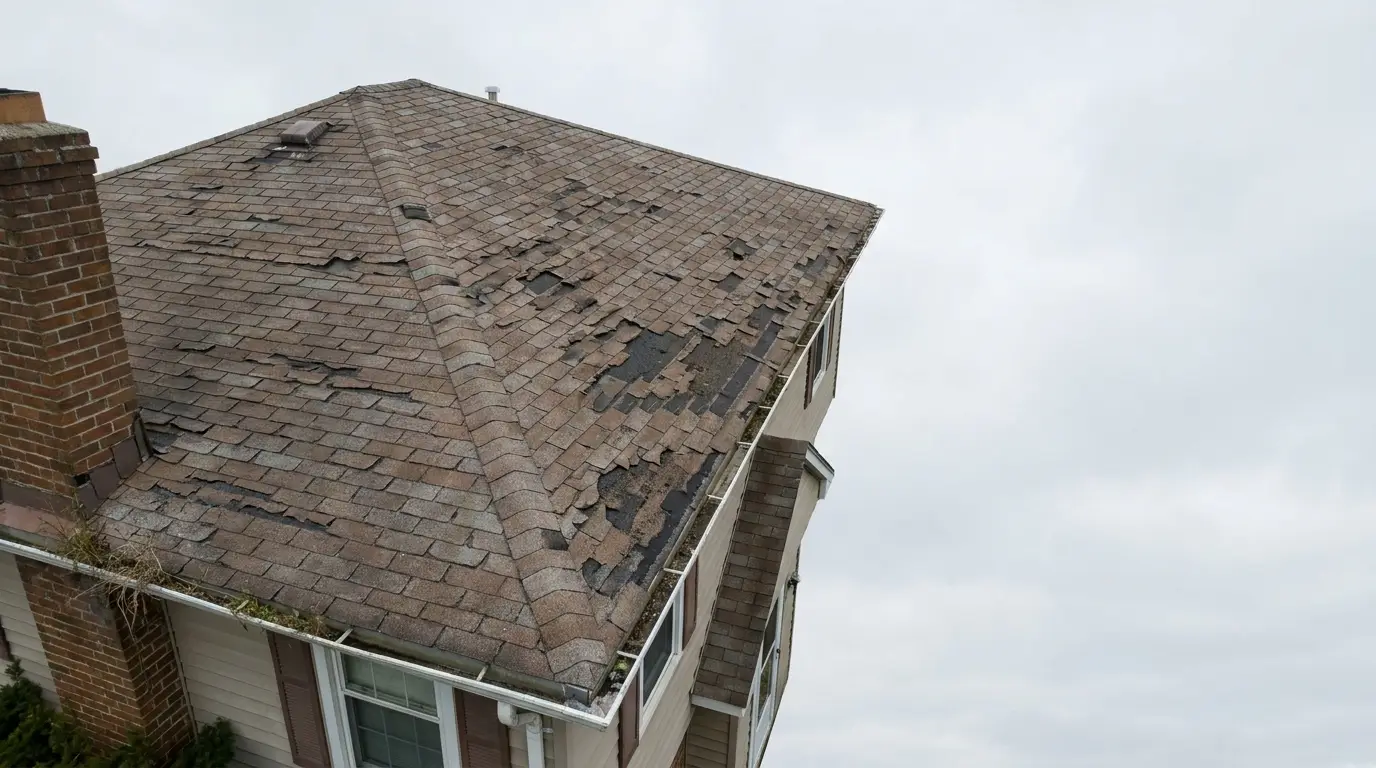
The most critical reason to replace an older roof before listing is the rapid tightening of homeowners insurance underwriting guidelines. Insurance companies are managing risk more aggressively than ever, utilizing remote aerial imagery and high-resolution drone photography to inspect properties before issuing policies.
Across the country, major insurance carriers are refusing to write new replacement cost value (RCV) policies on homes with asphalt shingle roofs that are more than 15 years old. Instead, they are offering actual cash value (ACV) policies—which pay out only a heavily depreciated amount in the event of a claim—or denying coverage entirely.
Because mortgage lenders require a valid, fully compliant homeowners insurance policy to fund a loan, an uninsurable roof means your buyer’s financing will be rejected. This can cause your deal to fall through late in the escrow process, forcing you to relist your home with a stigmatized history of a failed pending sale.
Passing Strict Lender Appraisals
If your home attracts buyers utilizing FHA or VA loans, the condition of your roof is subject to strict, non-negotiable minimum property standards. Appraisers for these government-backed loans are legally required to evaluate and certify that the roof has a remaining useful life of at least two to three years.
If the appraiser notes curling shingles, heavy granule loss, soft spots, or exposed underlayment, they will flag the roof. This triggers an automatic repair demand, meaning the lender will refuse to release the purchase funds until a new roof is installed and inspected.
If you are forced to replace the roof under a tight escrow deadline, you will have no time to shop around for competitive bids, leaving you at the mercy of whatever premium price a contractor charges for emergency turnaround services. Replacing the roof before listing gives you the time to secure competitive bids, select the best materials, and present a clean, unblemished property to appraisers and lenders alike.
Why Mr. Remodel? Putting Data into Action
The insights in this article come directly from our deep experience nationwide. We believe homeowners deserve transparent, data-driven advice before making a major investment. That is the core of our process.
What MrRemodel.com Does
- They connect you with real, local remodeling contractors who want your project.
- You tell them what you need. They send it to licensed and insured pros in your area.
- Those contractors give you real price estimates, not ads or ballpark numbers.
- You choose who to talk to. There is no obligation to hire anyone.
Ready to start your project with a team that values data and transparency? Apply through MrRemodel.com today for a free, no-obligation quote.