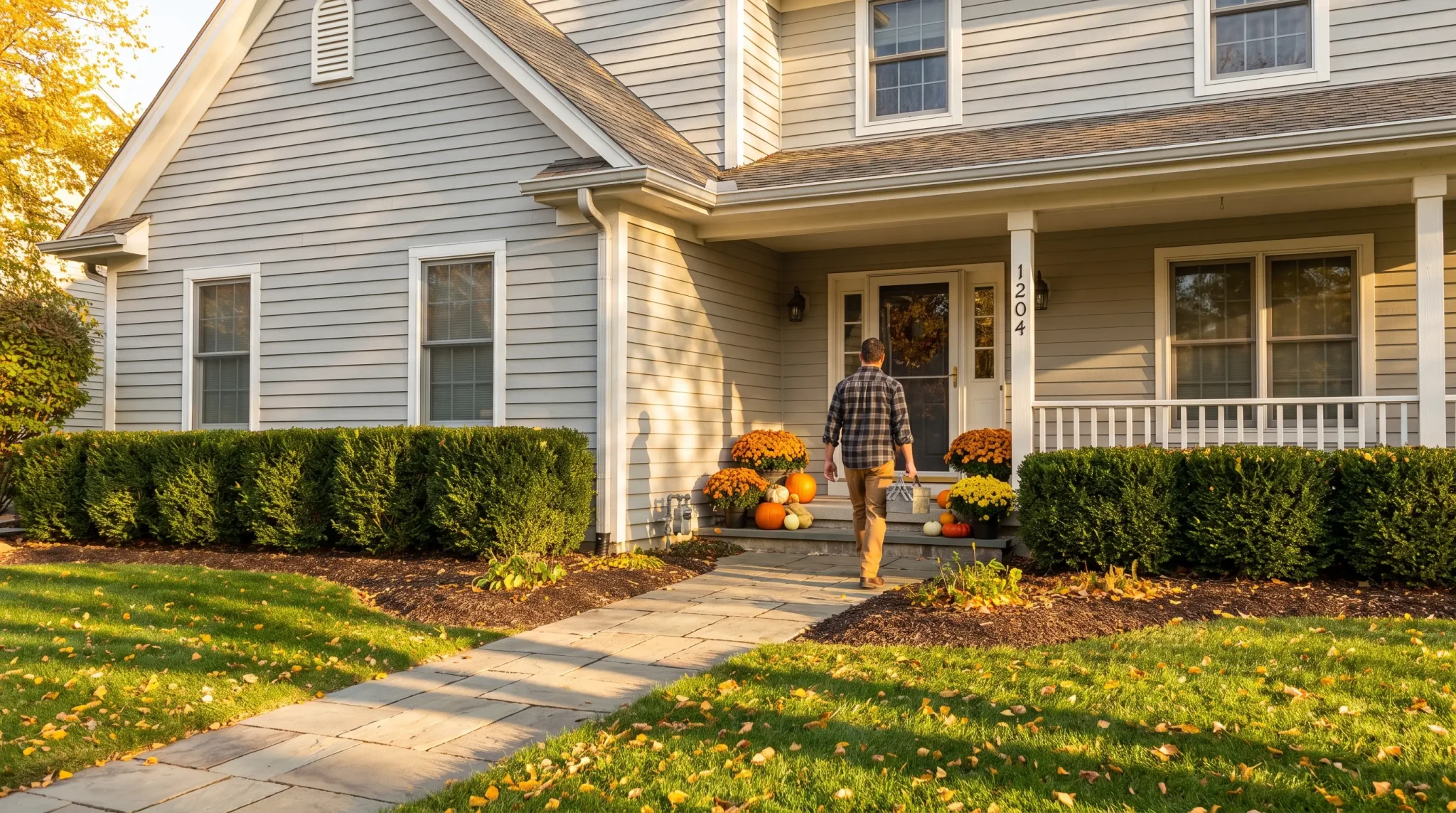




Your home’s exterior can look “mostly fine” right up until a small issue turns into a budget-eating repair. Peeling paint, a loose shingle, or a drafty window might seem minor on their own, but they often point to bigger problems underneath.
If you want your house to stay protected, efficient, and good-looking, it helps to know when you’re dealing with a simple touch-up and when you’re looking at something more serious.
Start With What You Can See From the Street
A quick curbside look can tell you more than you’d expect. Step back and look at your roofline, siding, gutters, windows, and trim as a whole. If one section looks warped, faded, sagging, or uneven, there’s usually a reason.
Watch for common warning signs such as:
- Missing or curling shingles
- Siding that looks cracked or bubbled
- Gutters pulling away from the house
- Paint that keeps peeling in the same spot
- Windows with visible condensation between panes
These issues rarely stay isolated for long. Water tends to travel, heat escapes wherever it can, and neglected trim has a talent for inviting rot.
Cosmetic Damage Isn’t Always Only Cosmetic
It’s easy to assume that chipped paint or discolored siding is mostly about appearance. Sometimes it is. Other times, surface damage is the first visible sign that moisture, age, or installation problems are affecting the materials underneath.
Take peeling paint on trim, for example. If it returns soon after repainting, trapped moisture may be pushing through. A stained patch on siding could mean water is getting in around a window. Cracked caulk may seem minor, but it can open the door to larger weatherproofing failures.
If you’re weighing repairs versus replacement, it helps to consult specialists who handle the full picture. Companies like C Michael Exteriors work on roofing, siding, gutters, and windows, which matters when one problem is connected to three others. That kind of overlap is common in real homes, not just contractor brochures.
Pay Attention to Water Clues Before They Multiply
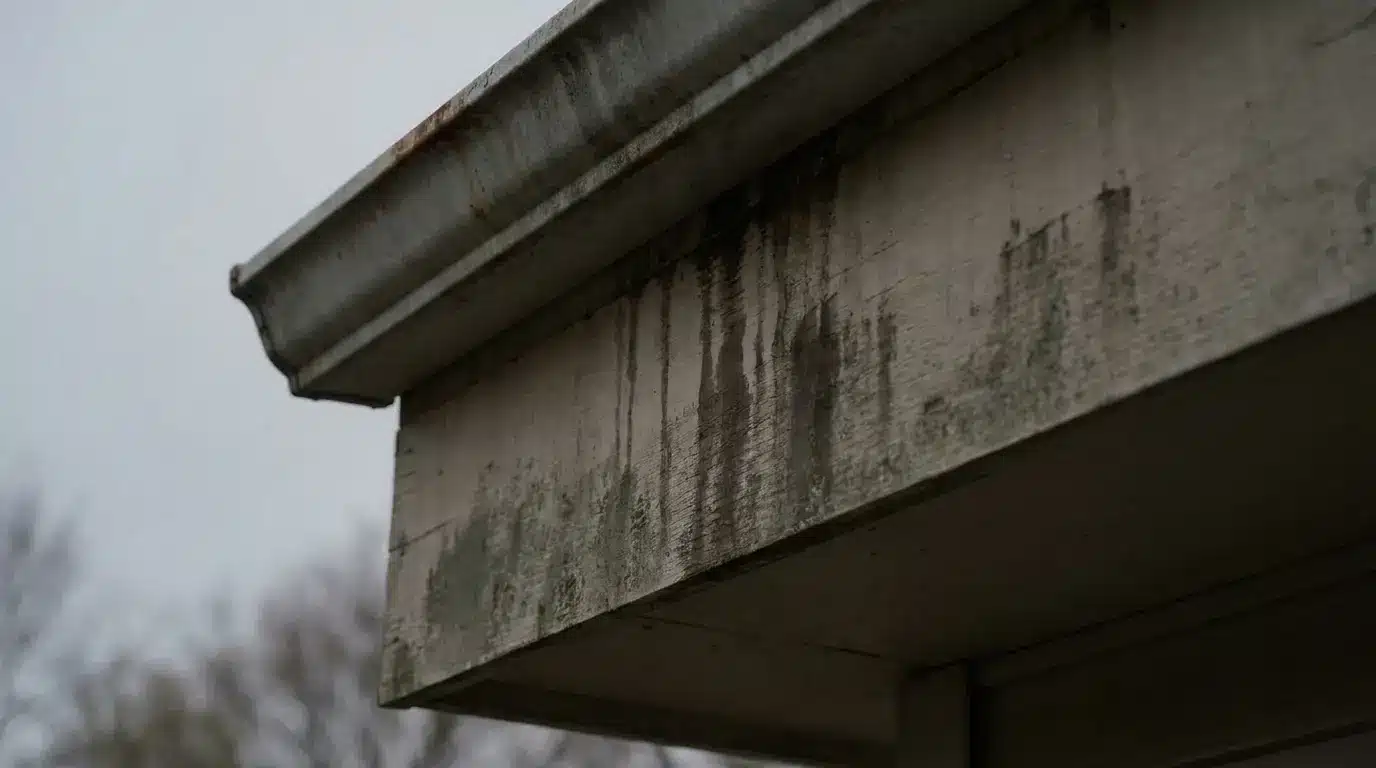
Water is the quiet troublemaker of exterior damage. It can slip behind siding, settle around windows, seep under roofing materials, and slowly weaken the structure before anything dramatic happens. By the time you spot a stain indoors, the problem may already be well established.
Check for signs like:
- Dark streaks on siding
- Soft spots in wood trim
- Mildew near roof edges
- Overflow marks under gutters
- Pooled water near the foundation
A gutter issue can lead to fascia damage. A flashing problem can turn into interior leaks. One of the smartest moves you can make is getting a qualified exterior contractor to inspect these systems together, not as separate little annoyances. Homes are team projects, even when the parts don’t always act like teammates.
Your Energy Bills Can Reveal Exterior Problems
If your heating or cooling bills keep creeping up and your usage habits haven’t changed much, your exterior may be part of the issue. Old windows, worn roofing components, poor ventilation, and damaged siding can all make it harder to maintain a stable indoor temperature.
You might notice:
- Drafts near windows or doors
- Rooms that are harder to cool or heat
- Higher bills during mild weather
- Excess indoor humidity
- Ice dams in winter
Look at Age, Not Just Appearance
A home exterior can still look decent even when key materials are nearing the end of their service life. That’s where a lot of homeowners get blindsided. If your roof is over 20 years old, your windows are original, or your siding has gone through years of storms and temperature swings, appearance alone isn’t the best judge.
Ask yourself:
- How old is each exterior component?
- Have repairs become more frequent?
- Was the original installation done well?
- Have nearby homes needed similar updates?
Age doesn’t guarantee failure, but it raises the odds. Materials break down gradually, and modern replacements often offer better weather resistance and energy performance.
Waiting until something fails completely usually limits your options and increases costs. Emergency pricing has a way of ruining an otherwise decent month.
Repairs Make Sense When the Problem Is Truly Isolated
Not every issue calls for a major overhaul. If damage is limited to one area and the rest of the system is in good shape, a focused repair can be the practical choice. A few missing shingles after a storm, one damaged downspout, or a single section of cracked siding may not justify full replacement.
Repairs usually make the most sense when:
– The material is relatively new
– The damage came from a specific event
– Moisture hasn’t spread to surrounding areas
– Matching materials are still available
– Inspection confirms the rest is sound
The key word here is “inspection.” Guesswork is expensive. A proper assessment helps you avoid spending money on repeated band-aid fixes that never solve the root problem.
Replacement Becomes Smarter When Problems Keep Returning
If you’ve repaired the same area more than once, or if one fix seems to uncover another issue nearby, replacement often becomes the better financial decision. It’s not just about stopping damage. It’s also about reducing maintenance, improving efficiency, and protecting the value of your home.
Replacement may be worth considering if:
– Leaks or drafts keep coming back
– Multiple exterior elements are aging at once
– Materials show widespread wear
– Repair costs are adding up fast
– You’re planning to sell within a few years
Buyers notice exterior condition quickly, and inspectors definitely do. A well-maintained exterior supports curb appeal, but it also signals that the home has been cared for in less visible ways.
What to Do Next if You’re Unsure
If you’re stuck between “it’s probably fine” and “this looks expensive,” start with a professional inspection and a clear list of priorities. You want to know what needs immediate attention, what can wait, and which issues are linked.
A useful inspection should help you understand:
- Current condition of major exterior systems
- Safety or water-intrusion concerns
- Estimated lifespan of materials
- Repair versus replacement options
- Likely budget ranges and sequencing
That information puts you in control. Instead of reacting to the next leak, draft, or loose panel, you can make a plan based on condition, timing, and cost. A solid exterior doesn’t just make your home look better.