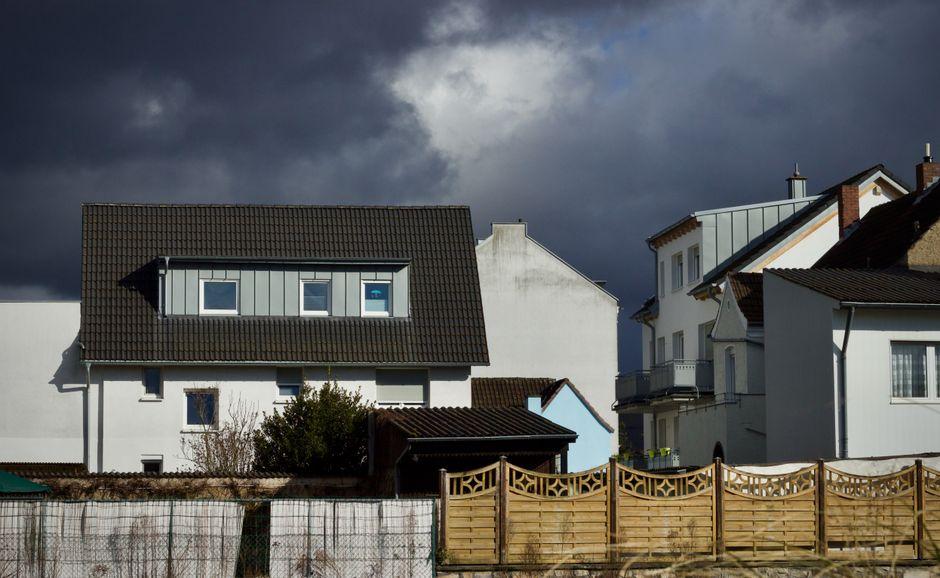


The outside of a house takes more punishment than any other part of it. Rain, wind, sun, and shifting temperatures work on the same surfaces day after day, and the damage rarely announces itself all at once.
In a place like Portland, where wet months run long and damp air lingers, an exterior that is only partly protected will begin to show its weak points within a few seasons. The good news is that durability is not a matter of luck.
Why Exterior Protection Fails Over Time
Most exterior problems start small. A seam opens slightly. A gutter joint loosens. A patch of paint thins out on the side of the house that catches the afternoon sun. None of this looks urgent, which is exactly why it gets ignored. Water then finds the opening, works its way behind the outer surface, and begins to soak into the wood underneath.
The Value of Professional Assessment
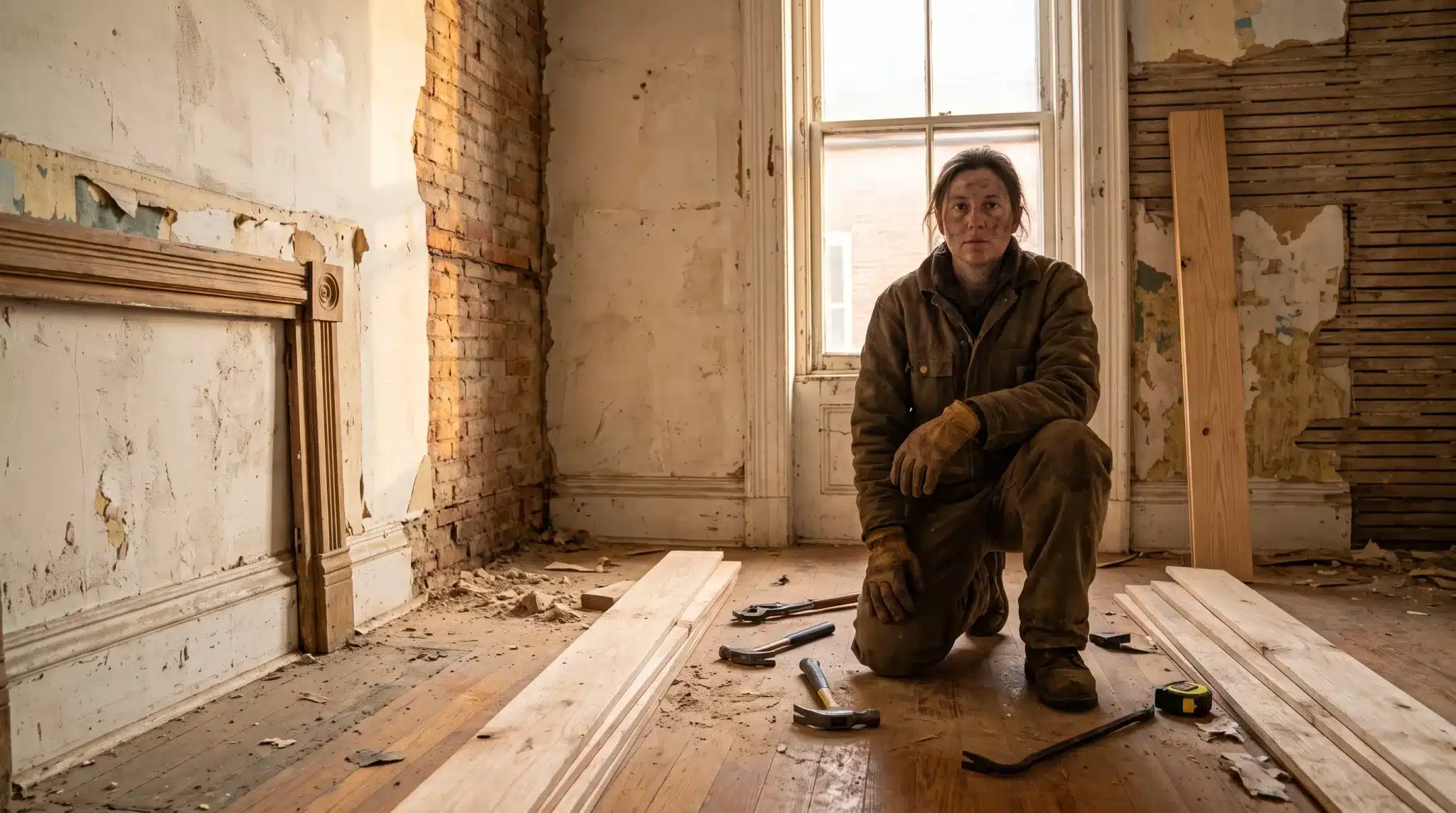
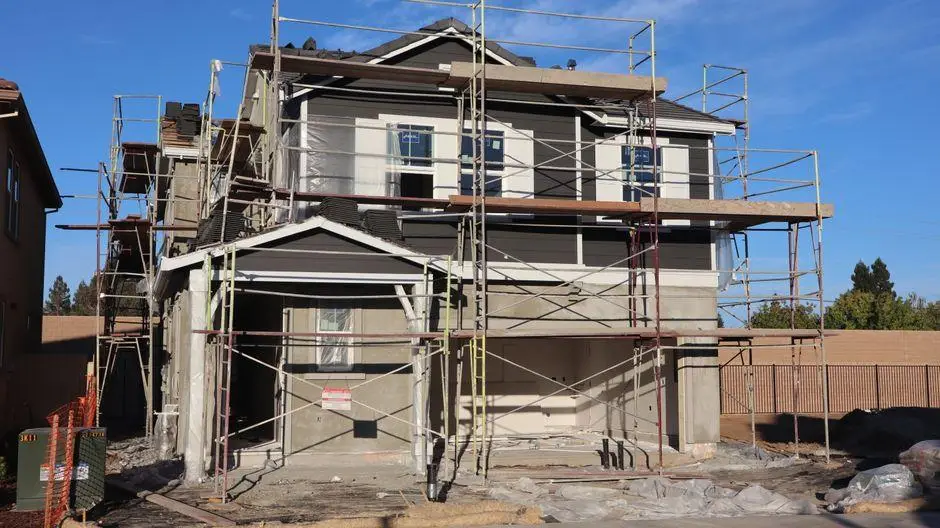
A house rarely tells you where it is weakest until the damage is already done. An experienced eye can read the early signals, and that is where expert help pays for itself. The outer shell of a home is the single largest barrier between your living space and the weather, and when that shell is worn or poorly installed, everything behind it is at risk. Siding is usually the first surface to fail because it covers the most area and absorbs the most direct exposure, and once it lets moisture through, the framing behind it begins to decay quietly. Bringing in a qualified exterior remodeling specialist is the most reliable way to catch that problem before it spreads. Homeowners who want long-term protection often begin by consulting local Portland siding contractors who can inspect the full exterior and recommend the right approach for the house.
Choosing Materials That Handle Real Weather
Material selection matters more than almost any other decision. A product that performs beautifully in a dry climate may swell, warp, or fade in a wet one. When you are choosing anything that will live outdoors permanently, judge it on three things: how it handles sustained moisture, how it responds to temperature swings, and how it holds color under ultraviolet light.
Look for products rated for the conditions your region actually produces rather than the conditions you would prefer. Ask how the material behaves after ten or fifteen years, not how it looks on installation day. And pay attention to the warranty terms, because a manufacturer that stands behind a product for decades is telling you something useful about its expected life. Cheaper options often carry hidden costs in the form of early replacement, and the difference in upfront price rarely covers the second installation.
Roofing as the First Line of Defense
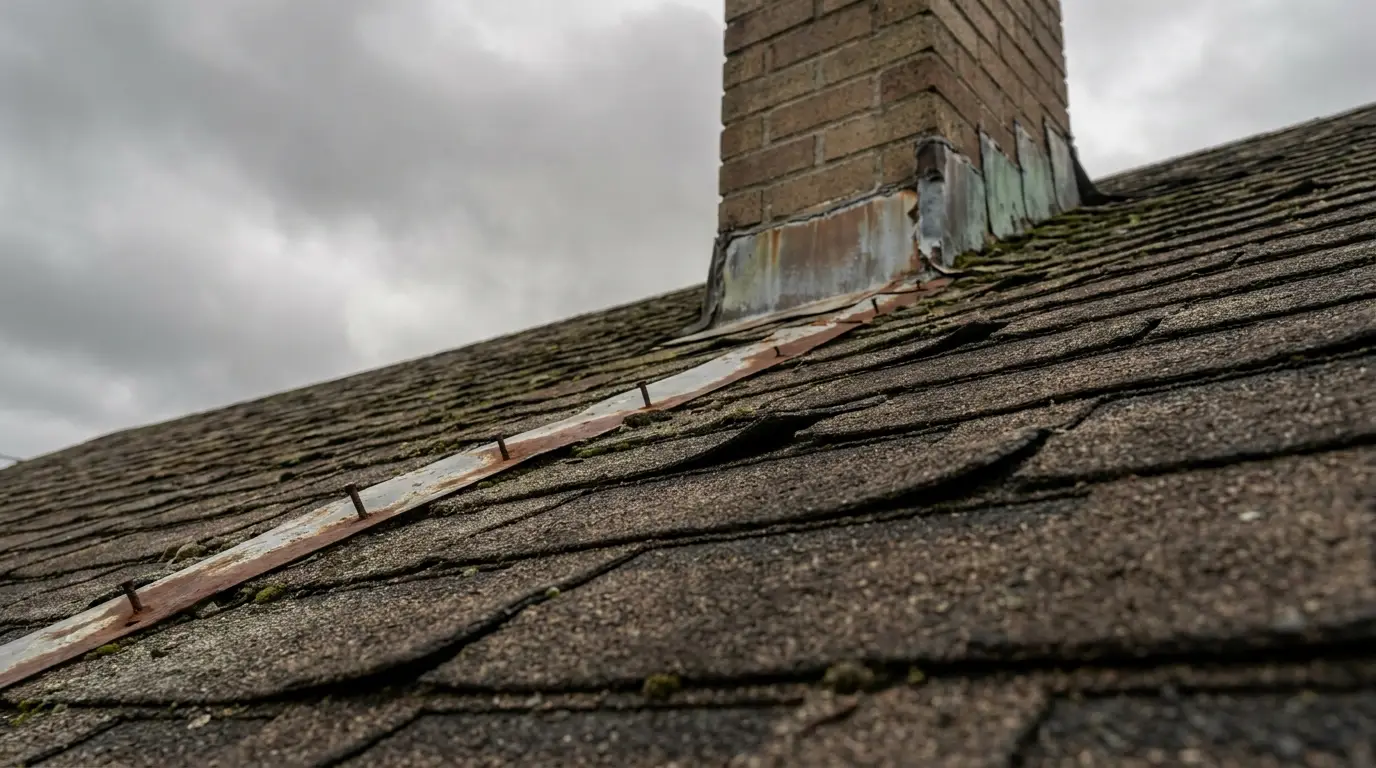
Everything below the roof depends on the roof doing its job. When shingles curl, crack, or lift, water enters at the highest point of the house and travels down through places you cannot see. Flashing around chimneys, vents, and valleys deserves particular attention, since these transition points fail long before the field of the roof does.
Inspect the roof surface twice a year, and always after a heavy storm. Look for missing pieces, exposed nail heads, granules collecting at the base of downspouts, and any sagging along the roofline. Keep overhanging branches trimmed back so that wind cannot drag them across the surface.
Keeping Water Moving Away From the House
Gutters and downspouts are simple, unglamorous, and enormously important. Their only job is to catch what falls on the roof and carry it well clear of the foundation. When they clog or sag, water spills straight down the walls instead, saturating the ground at the base of the house and pushing moisture into the lower structure.
Clear them at least twice a year, and more often if trees surround the property. Check that downspouts extend several feet from the foundation rather than emptying beside it. Guards can reduce how often you need to climb a ladder, though they do not eliminate maintenance entirely. Grading matters too. The soil around the house should slope gently away on every side, so that rainfall drains outward instead of pooling against the walls.
Windows, Doors, and the Seams Between
Every opening in the exterior is a potential entry point for air and water. Windows and doors are engineered to seal tightly, but the seals age, the caulking shrinks, and the frames settle as the house moves. A gap you can barely see will still let cold air through in winter and moisture through in spring.
Run your hand around the edges of each window on a windy day. If you feel a draft, the seal needs attention. Check the caulk lines for cracks or gaps, and replace them with a flexible exterior-grade product rather than a general-purpose filler. Weatherstripping on exterior doors wears out faster than most people expect and takes only a few minutes to replace.
Paint and Protective Finishes
A coat of exterior paint is not decoration alone. It is a sealed barrier that keeps moisture out of the surface beneath it. When paint fades, chalks, or peels, that barrier has already been compromised, and the material underneath is absorbing water every time it rains.
Prepare surfaces properly before repainting, since finish quality depends far more on preparation than on the product itself. Wash away dirt and mildew, scrape loose material back to a sound edge, and prime any bare spots. Choose a fade-resistant exterior formula suited to the surface you are covering.
Planning Upgrades in the Right Order
When several parts of the exterior need work at once, sequence matters. Start at the top and work down, since repairs below a leaking roof will simply be damaged again. Handle drainage before cosmetic work, and address structural moisture problems before covering anything back up.
If the budget will not stretch to everything, prioritize the items that protect the structure itself over the items that improve appearance. A house with sound weather protection and dated styling is in far better shape than a house that looks sharp while quietly deteriorating underneath. Plan the work in stages, keep records of what has been done, and give your home the steady attention that lets it stand up to whatever the seasons deliver.