
Scale and proportion are two basic principles that shape how artwork looks and feels. They help artists show size relationships and keep objects balanced inside a composition. Many beginners struggle with drawings that look “off.”
A head may appear too large, or a building might look smaller than expected. Most of the time, the issue comes from a misunderstanding of scale and proportion.
This guide explains scale and proportion in simple terms. It also shows how artists apply these ideas in paintings, illustrations, and design projects.
What is Scale In Art?
Scale describes the size of one object compared to another object or the entire composition. It helps viewers understand how large or small something appears inside an artwork.
Scale is also common in architecture drawings, posters, and digital illustrations, where size relationships guide the viewer’s eye.
For example, a giant moon above a small city skyline immediately draws attention. The contrast in size tells viewers where to focus first. Artists use scale to create meaning, focus, and depth.
Common ways scale appears in artwork include:
- Large objects are used to attract attention.
- Small elements are placed to show distance.
- Unusual size differences to create a dramatic impact.
Understanding Proportion In Art
Proportion refers to the relationship between different parts of the same object. It ensures that individual parts look balanced and realistic. Incorrect proportions often make artwork feel awkward or distorted.
A good example is the human body. Artists often follow common ratios when drawing people so the figure looks natural. Proportion also applies to objects like buildings, furniture, and animals. When these relationships stay accurate, viewers easily recognize the subject.
Typical body proportion guidelines include:
- The body is often about 7–8 heads tall in traditional figure drawing.
- The arms reach around mid-thigh when relaxed.
- The eyes sit roughly halfway down the head, not near the top.
Key Differences Between Scale and Proportion in Art
Scale and proportion are closely related principles in art, but they describe different size relationships. Understanding how they differ helps artists create balanced and realistic compositions.
| Aspect | Scale | Proportion |
|---|---|---|
| Focus | Comparison between multiple elements | Balance within a single subject |
| Example | A tiny person beside a large mountain | A nose drawn larger than the eyes on a face |
| Purpose | Shows size relationships and distance | Keeps objects and figures looking natural |
| Use In Art | Helps create depth and emphasis | Helps maintain realism and balance in forms |
How Artists Apply Scale to Create Meaning
Artists often adjust scale intentionally to guide attention or add storytelling elements. Several creative techniques rely on scale.
1. Emphasizing a Subject
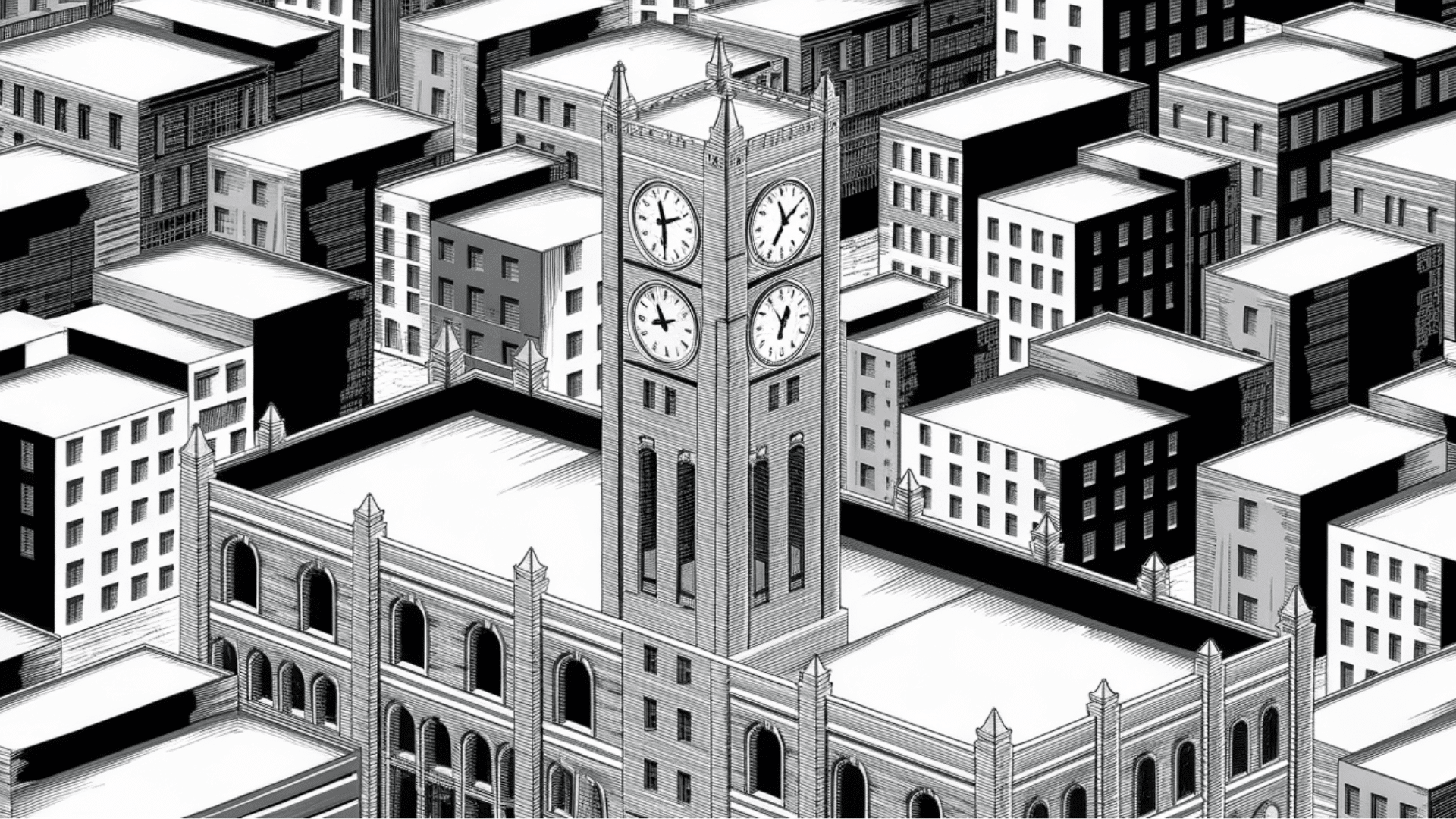
Artists often use scale to direct the viewer’s focus toward a particular element in the artwork. By making one object larger than the others, the artist draws attention to its importance.
This technique is commonly seen in posters, advertisements, and illustrations, where the main subject is emphasized to create a strong visual impact. It helps convey the central theme or message of the artwork.
2. Creating Depth In Landscapes
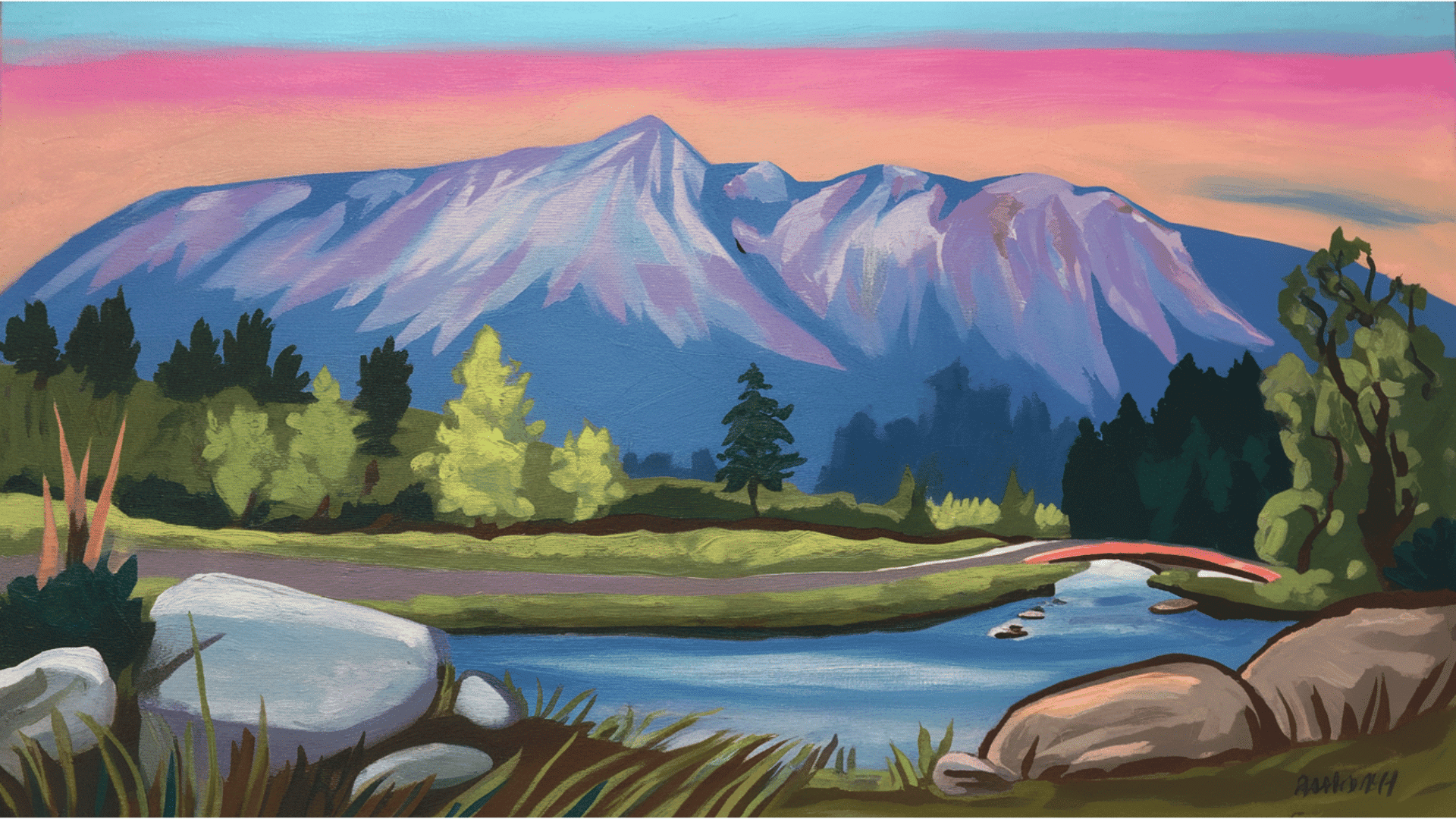
In landscapes, artists use the principle of perspective to create the illusion of depth and distance. As objects recede into the background, they appear smaller, helping to convey the sense of space within the scene.
For instance, a large tree placed in the foreground will be drawn much larger than smaller trees in the distance. This scale adjustment helps to establish a realistic sense of space and dimension, guiding the viewer’s eye through the composition.
By manipulating the size of objects, artists can effectively create the perception of a three-dimensional world on a two-dimensional canvas.
3. Dramatic Visual Effects
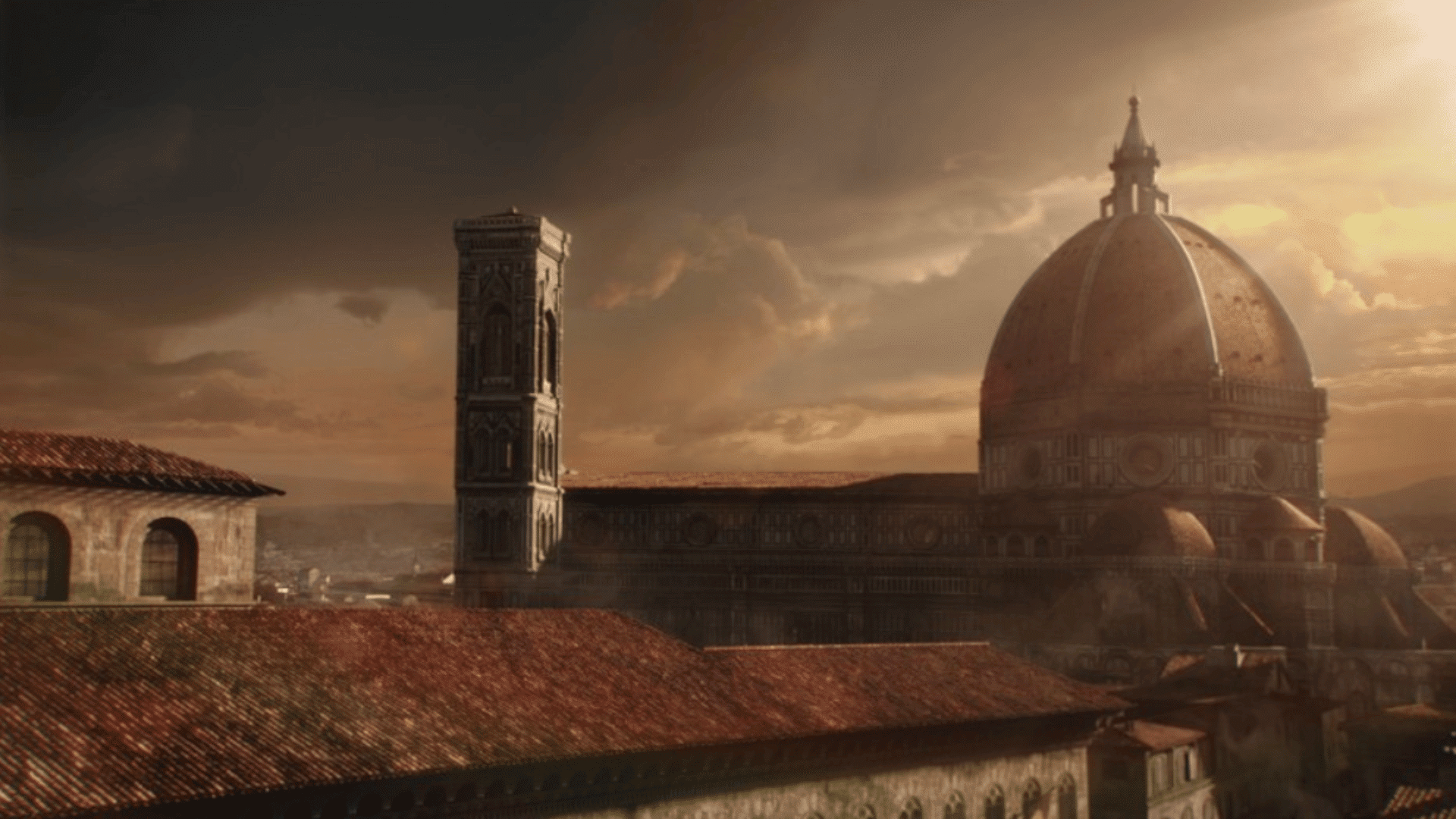
In some artistic styles, scale is intentionally distorted to evoke emotion or create surreal effects. Surrealist artists, for example, often use exaggerated or miniature scale—such as giant animals or tiny buildings—to make scenes feel dreamlike or unsettling.
This technique helps convey symbolic meanings or simply adds intrigue, breaking from reality to capture the viewer’s imagination.
How Artists Maintain Accurate Proportions
Artists rely on several practical methods to keep proportions balanced during drawing. These techniques are common in figure drawing, portrait art, and realistic illustration.
1. Using Basic Shapes
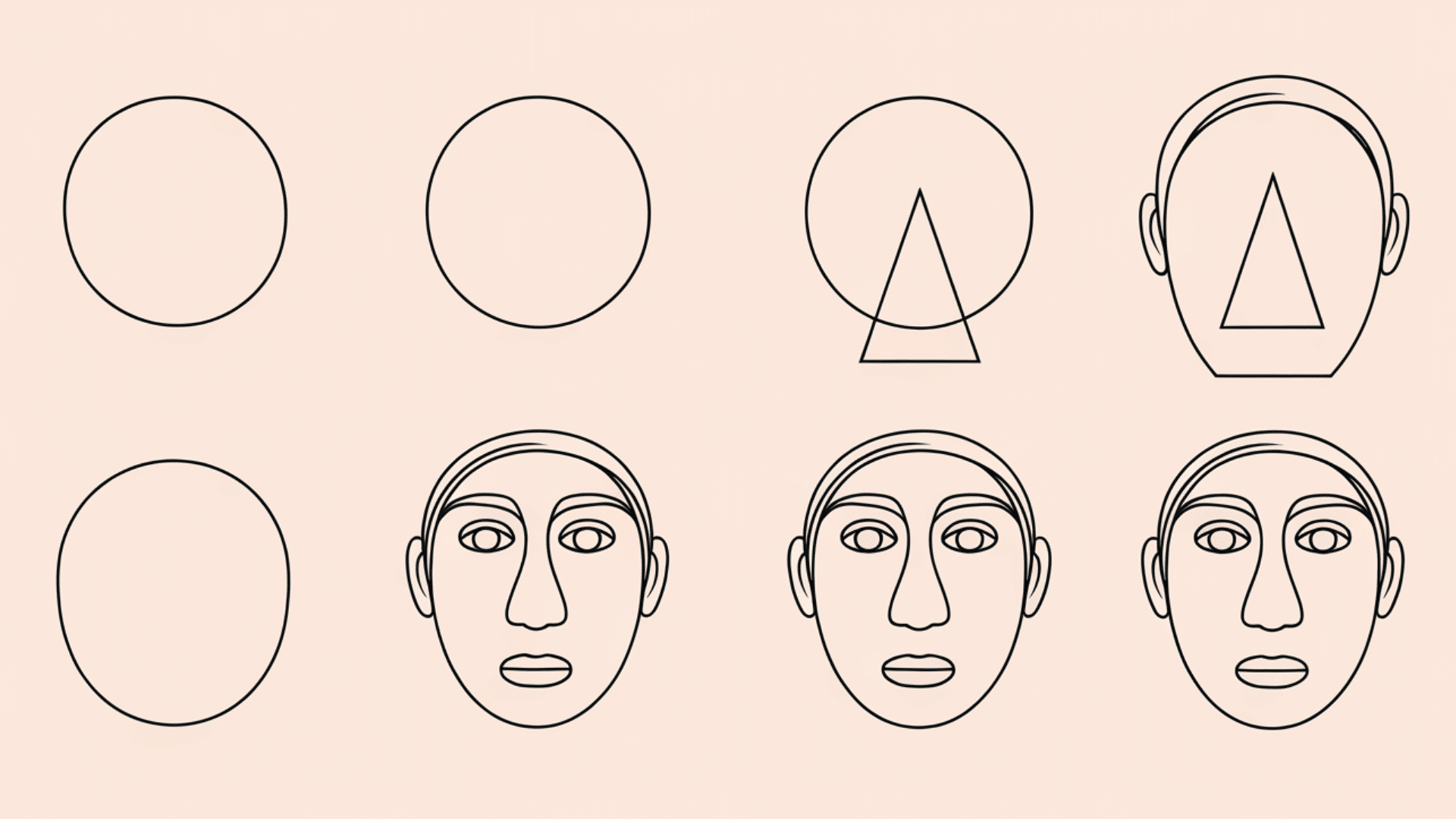
Many artists start their drawings by using simple shapes like circles, rectangles, and lines. These basic shapes act as a foundation, helping to place key elements in the right position. By building the structure with these simple forms, artists can ensure the proportions and composition are accurate before adding finer details.
2. Measuring with a Pencil
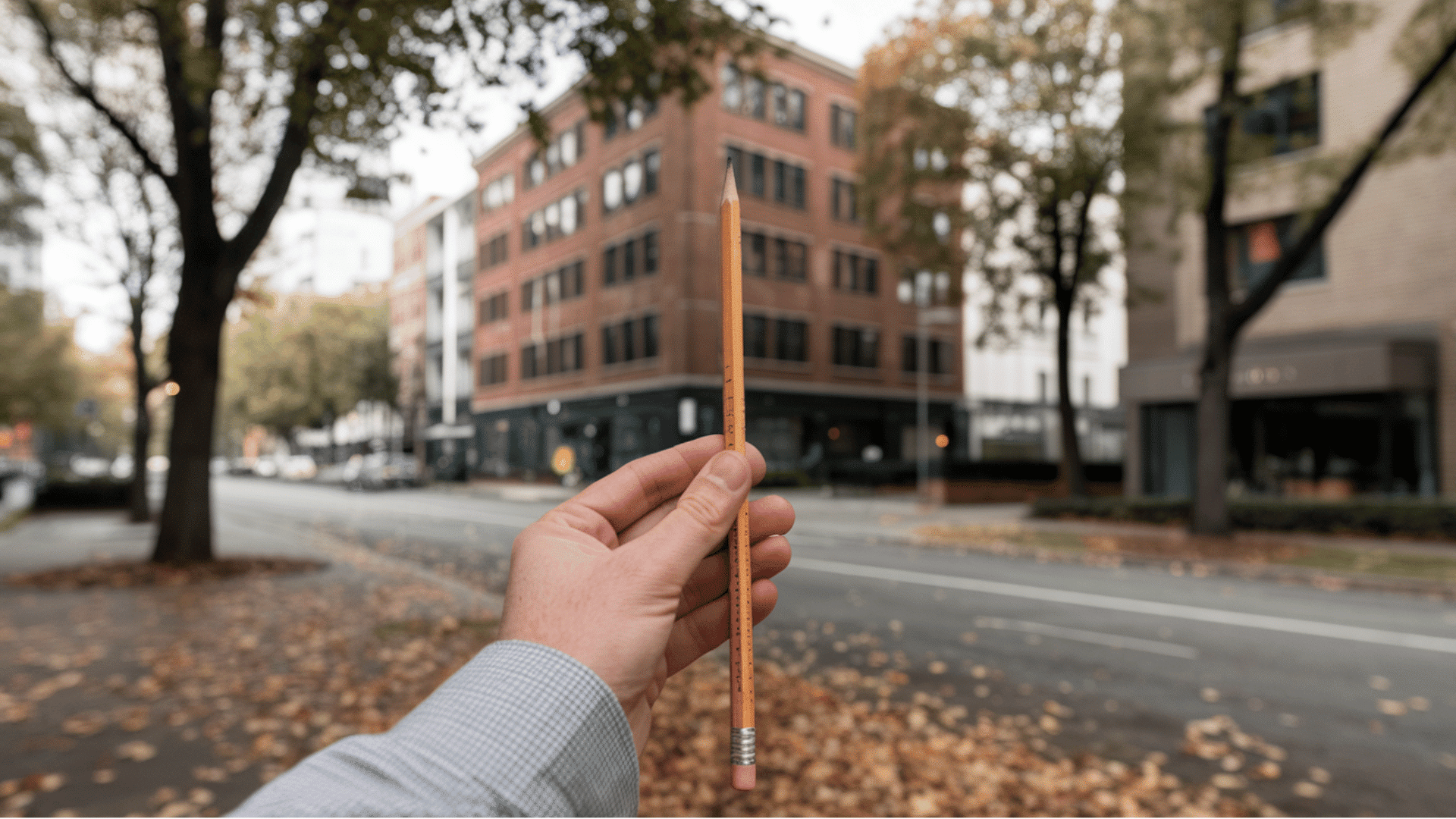
Some traditional artists use a pencil held at arm’s length to measure proportions and angles. This technique helps compare different elements in a reference image, ensuring they are sized correctly in relation to one another. It’s a practical method for maintaining accuracy.
3. Applying Grid Systems

Grids are another useful tool for artists, dividing an image into equal sections. This method makes it easier to focus on one part at a time, ensuring each section is proportional to the others. By transferring each grid section carefully, artists maintain consistent scale and proportion throughout the artwork.
Real-World Examples of Scale and Proportion in Art
Many well-known artworks show how these principles influence visual impact. These examples show that scale and proportion apply across many creative fields.
- Renaissance paintings often used careful proportions to create lifelike human figures. Artists studied anatomy and measurement to improve accuracy.
- Illustration and comics sometimes exaggerate proportions to express personality. Characters may have larger heads or eyes to appear more expressive.
- Graphic design also uses scale strategically. Headlines appear large, while supporting text appears smaller, helping readers scan information quickly.
Practice Exercises for Beginners
Improving these skills takes observation and regular practice. Simple exercises can strengthen understanding of size relationships.
Helpful practice ideas include:
- Sketch everyday objects while comparing their relative sizes.
- Draw a person using basic head-based measurement rules.
- Create a still-life drawing with objects placed at different distances.
- Copy photographs using a light grid to maintain accurate proportions
Common Beginner Mistakes
When learning scale and proportion, many beginner artists encounter similar challenges. These mistakes often affect the balance and realism of their artwork. Common issues include:
- Drawing body parts too large or too small, which disrupts the overall figure
- Ignoring size differences between foreground and background objects, making the scene look flat
- Placing facial features incorrectly, leading to unnatural facial proportions
- Forgetting perspective, causing objects to appear out of place in a scene
- Overlooking the relationship between parts of an object, resulting in disproportionate designs
- Not using proper reference images or measurements, leading to inaccurate representations
Conclusion
Scale and proportion play a major role in how artwork communicates size, balance, and realism. They help artists control relationships between objects and maintain harmony within individual subjects.
Understanding these principles improves drawing accuracy and strengthens overall composition. Even simple sketches benefit when size relationships remain clear and consistent.
With regular practice and careful observation, artists gradually develop a stronger sense of scale and proportion. Over time, these principles become natural parts of the creative process.