




Anxiety can be tough for kids to handle, especially when they don’t have the words to express how they feel. That’s where grounding techniques for kids come in.
These simple exercises help kids stay present, calm, and focused when anxiety starts to creep in. Whether it’s through deep breathing, playing with sensory toys, or a fun game, grounding techniques are a great way to manage overwhelming emotions.
In this blog, you will find easy and fun grounding techniques for kids that you can try at home. Let’s help your little one find calm in a chaotic moment!
What are Grounding Techniques?
Grounding techniques are simple exercises designed to help them refocus when anxiety takes over. These techniques work by shifting their attention from overwhelming feelings to the present moment.
By focusing on their senses, body, or surroundings, kids can calm their nervous system, reduce stress, and regain control.
Grounding helps kids feel more centered and less anxious, making it easier for them to cope with big emotions in difficult situations.
Common Signs of Anxiety in Kids
- Restlessness – Kids may fidget, pace around, or struggle to sit still for long periods.
- Difficulty Concentrating – Anxiety can make it hard for children to focus on homework, instructions, or conversations.
- Irritability – Small frustrations may lead to quick anger, whining, or emotional outbursts.
- Mood Swings – Children might shift suddenly from calm to upset, sad, or withdrawn.
- Stomach Aches – Stress and worry can show up as stomach pain even when there is no illness.
- Headaches – Frequent headaches may occur when a child feels overwhelmed or tense.
- Avoiding Social Situations – Kids may refuse school, activities, or time with friends due to worry or fear.
- Feeling Overwhelmed – Everyday tasks like schoolwork or routines may seem too difficult or stressful.
Noticing these signs early can help parents step in and support their child before anxiety becomes more difficult to manage.
Grounding Techniques for Kids to Try
Here are simple and fun grounding techniques to help kids manage anxiety. These exercises focus on sensory experiences and activities that promote relaxation and mindfulness.
Sensory Grounding Techniques
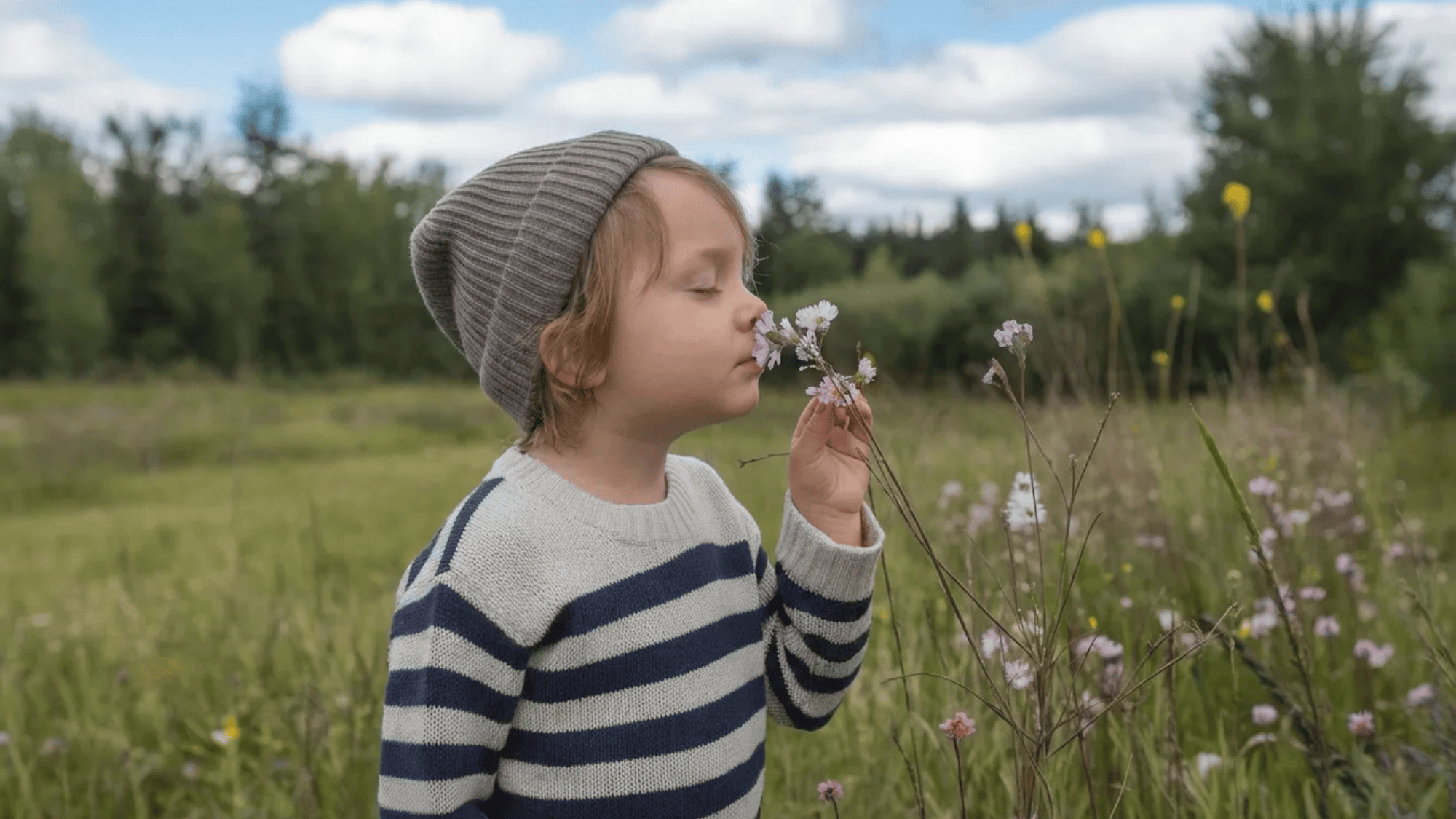
These techniques use the five senses to help kids stay connected to the present moment and focus their attention away from anxious thoughts.
1. 5-4-3-2-1 Grounding Exercise
This is one of the most well-known grounding techniques for a reason; it actually works. Ask your kid to name 5 things they can see, 4 they can touch, 3 they can hear, 2 they can smell, and 1 they can taste, moving through each sense slowly and intentionally.
It pulls their attention away from the spiral of anxious thoughts and plants it firmly in the present moment. It’s simple enough for young kids to memorize and use on their own once they’ve practiced it a few times.
2. The Ice Cube Trick
Have your child hold an ice cube in their hand and focus entirely on what it feels like: the cold, the melting, the way it shifts in their palm.
That sharp physical sensation is powerful enough to interrupt an anxiety spiral and bring their attention back to their body and the present moment. It works because the brain has a hard time staying stuck in worried thoughts when it’s processing something so immediate and physical.
Keep a small cup of ice cubes in the freezer so it’s ready to go whenever they need it.
3. Smell Calming Scents
Scent is one of the fastest ways to shift your nervous system, and kids respond well to it once they have a scent they associate with feeling safe and calm. Lavender is the classic go-to, but some kids respond better to vanilla, chamomile, or even a familiar scent like a parent’s perfume.
Use a roller, a diffuser, or even just a scented lotion and encourage them to take slow, deep breaths while they focus on the smell. Over time, the scent itself becomes a cue for the body to relax, which makes it even more effective.
4. Focus on Colors
Ask your child to pick one color and then find as many things in the room that match it as they possibly can, on the walls, on the floor, on their own clothes, everywhere.
It sounds almost too simple, but the act of actively scanning the environment for something specific pulls the brain out of anxious thought loops and into focused, present-moment observation.
It sharpens their attention on what’s actually around them rather than what their anxiety is telling them to worry about. You can make it into a quiet game so it feels fun rather than like a coping exercise.
5. Play with Sensory Toys
Squishy balls, textured fidgets, kinetic sand, stretchy bands, and sensory toys give anxious hands something to do. That physical engagement has a surprisingly calming effect on an overwhelmed nervous system.
Encourage your kid to really pay attention to how the object feels, the texture, the resistance, the temperature, rather than just mindlessly squeezing.
That layer of focused attention is what turns it from a distraction into an actual grounding tool. Keep a small basket of their favorite sensory toys in an easy-to-reach place so they can grab one the moment anxiety creeps in.
Breathing and Relaxation Techniques

These grounding exercises focus on using breath and relaxation to calm the nervous system and reduce anxiety.
6. Deep Breathing
Deep breathing is one of those techniques that sounds almost too basic until you actually try it during a moment of anxiety, and realize it genuinely works.
The 4-4-4 method is a great starting point: breathe in slowly for 4 seconds, hold for 4 seconds, and release for 4 seconds, keeping the rhythm steady and intentional throughout. This pattern activates the parasympathetic nervous system, which is essentially your body’s built-in brake pedal for the stress response.
7. Progressive Muscle Relaxation
This one works especially well for kids who carry anxiety in their bodies, tight shoulders, clenched jaw, and a stomach that feels knotted up.
Start at the toes and work slowly upward, tensing each muscle group for about five seconds and then releasing it completely, all the way up through the legs, stomach, hands, arms, and face. The contrast between tension and release helps kids become genuinely aware of where they’re holding stress in their bodies, a skill that takes time to develop but pays off in enormous ways.
8. Slow, Deliberate Breathing
Unlike the even rhythm of box breathing, this technique uses a slightly longer exhale, inhaling for a count of three and exhaling for a count of four, which puts extra emphasis on the out-breath, the part most closely linked to calming the nervous system.
The slower pace naturally forces the mind to slow down too, because it’s genuinely difficult to stay locked in anxious thoughts when you’re counting your breath that carefully.
It’s a subtle but effective shift that works well for kids who find the 4-4-4 method a little too rigid or mechanical.
9. Belly Breathing
Ask your child to place one hand flat on their belly and take a breath deep enough that they can feel their hand actually rise, not their chest, but their belly.
Most kids breathe shallowly without realizing it, especially when they’re anxious, so belly breathing retrains the body to take the kind of slow, full breaths that genuinely shift the nervous system into a calmer state.
The physical feedback of feeling the hand move up and down gives kids something concrete to focus on, which makes it easier for younger children to stay engaged with the exercise.
Counting Techniques

Counting can help kids focus and distract them from anxiety, offering a simple way to stay grounded during stressful moments.
10. Counting Backwards
Counting backwards from 10 to 1 sounds deceptively simple, but that’s exactly what makes it work; it requires just enough mental effort to pull focus away from anxious thoughts without being so difficult that it adds more stress.
Ask your child to go slowly, pausing on each number and really saying it in their head before moving to the next one. The deliberate pace is important because rushing through it defeats the purpose. The goal is to give the mind something calm and sequential to latch onto.
11. Finger Counting
Have your child hold up one hand and count each finger slowly, touching each one as they go and focusing on both the number and the physical sensation of the touch.
The combination of counting and tactile feedback gives the brain two gentle anchors at once, which is especially effective for kids who find it hard to stay with a purely mental exercise.
It’s discreet enough to use in public situations, at school, in a waiting room, anywhere, without drawing attention or requiring any props.
12. Count in Sets of 3 or 4
Instead of counting straight through, this technique has kids repeat small sets, 1, 2, 3, then back to 1, 2, 3, which creates a rhythmic, almost meditative loop that the mind can settle into surprisingly quickly.
The repetition is the whole point; it keeps the brain just occupied enough that there’s no mental bandwidth left over for anxious thoughts to take hold.
It works especially well for kids who feel overwhelmed by bigger numbers or longer sequences, since the reset at the end of each small group makes the whole exercise feel contained and doable.
Physical Grounding Techniques
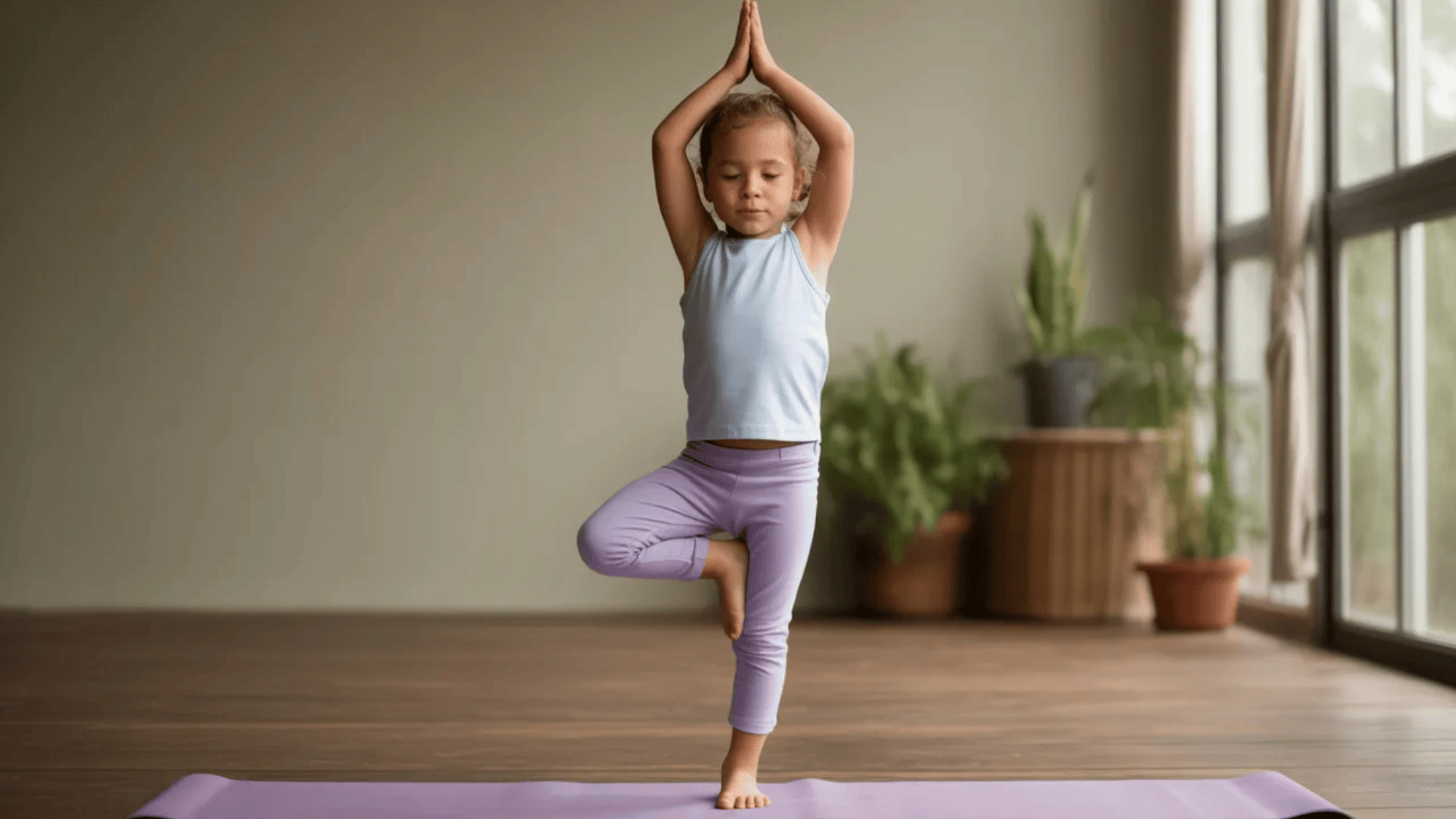
These techniques use physical sensations to bring kids back to the present moment, helping them refocus and calm their bodies.
13. Body Scan
A body scan is essentially a guided tour of your own physical state. You start at the top of the head or the tips of the toes and slowly move your attention through each part of the body, noticing any areas that feel tight, heavy, or uncomfortable without trying to fix them right away.
For kids, it helps to narrate it out loud at first: “How do your shoulders feel? Are they up near your ears? Can you let them drop?” That kind of gentle prompting teaches them to notice the physical signals their body sends when stress is building, which is a skill that becomes more valuable the older they get.
14. Squeeze a Stress Ball
There’s something about having a physical outlet for anxious energy that works in a way that purely mental techniques sometimes can’t, and a stress ball or a lump of playdough gives kids exactly that.
Encourage them to squeeze as hard as they need to, hold it for a few seconds, and then release slowly, paying attention to the way their hand feels during both the tension and the letting go.
That squeeze-and-release pattern mirrors what happens in progressive muscle relaxation, so it delivers a similar calming effect through a much simpler action.
15. Stretch or Do Yoga Poses
Simple yoga poses give kids a way to move through anxiety rather than sit with it, which is incredibly helpful for children who find stillness difficult when they’re stressed.
Poses like child’s pose, downward dog, or a simple forward fold encourage slow breathing, release physical tension from the muscles, and bring attention back into the body in a gentle, non-threatening way.
You don’t need a mat or any experience; even just rolling the shoulders back, reaching the arms overhead, or doing a slow neck stretch counts.
16. Touch a Soft Object
Encourage your child to hold an object and really focus on how it feels, the softness, the weight, the warmth, rather than just clutching it out of habit. That layer of intentional attention is what turns it from a comfort habit into an actual grounding tool, because it anchors the mind in present-moment sensory experience.
Let kids keep their chosen soft object somewhere accessible in the playroom or bedroom so they can reach for it independently when they feel anxiety starting to build.
17. Hold a Favorite Object
A favorite toy or object carries an emotional weight that makes it uniquely powerful as a grounding tool. It’s familiar, it’s safe, and it’s loaded with positive associations that can gently counterbalance anxious feelings.
Ask your child to hold it in both hands and take a moment to really look at it, notice the colors, the texture, the details they might usually overlook. That combination of tactile and visual focus brings the brain into the present and gives it something concrete and comforting to process, rather than whatever it was spiraling about.
Creative Grounding Techniques
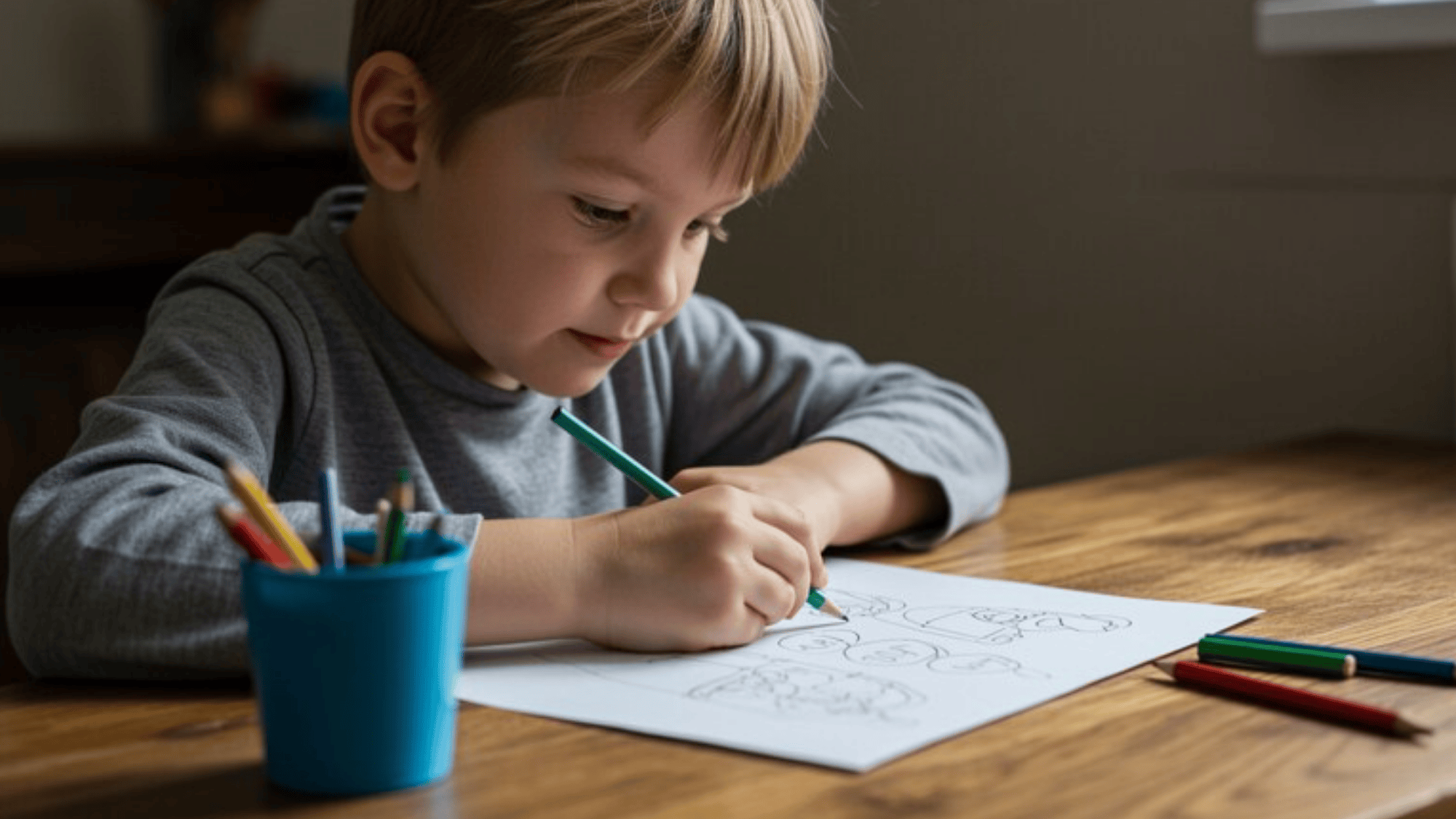
These techniques use creativity to help kids focus and channel their energy into calming activities.
18. Draw or Color
Drawing and coloring give kids a creative outlet that doubles as a genuinely effective anxiety management tool. The act of focusing on a page, choosing colors, and filling in shapes pulls the brain away from worried thoughts.
It doesn’t need to be structured or directed; free drawing works just as well as a coloring book, and the lack of rules actually gives kids a sense of control that feels reassuring when everything else feels overwhelming.
Encourage them just to let the hand move without worrying about whether it looks good or makes sense, because the process is entirely the point here, not the result.
19. Play with Clay or Playdough
There’s something almost meditative about working with clay or playdough; the repetitive motion of rolling, pressing, squeezing, and shaping keeps the hands busy in a way that naturally quiets an overactive, anxious mind.
The texture itself is part of the benefit, providing rich sensory input that grounds kids in the present moment and gives their nervous system something immediate and physical to process.
Unlike some calming techniques that require stillness, this one works well for kids who need to move and do something with their energy rather than breathe through it.
20. Create a Grounding Mandala
Mandala coloring is a step up from regular coloring in terms of its calming effect, because the intricate, symmetrical patterns require a level of focused attention that makes it nearly impossible for the mind to wander back into anxious territory.
The repetitive, rhythmic nature of filling in each section creates a soothing, almost hypnotic quality that many kids find deeply settling. It also gives them a finished product they can feel proud of, which adds a small but meaningful confidence boost at the end of the exercise.
21. Write in a Journal
Journaling gives kids a private, pressure-free space to put their feelings down on paper. That act of externalizing anxious thoughts, even just onto a piece of paper, can significantly reduce how big and overwhelming those feelings seem.
For younger kids or those who aren’t confident writers yet, drawing their feelings works just as well and carries the same emotional benefit.
Encourage them to write or draw without worrying about spelling, neatness, or making sense. The journal is entirely for them, not for anyone else to read or judge.
Outdoor Grounding Techniques
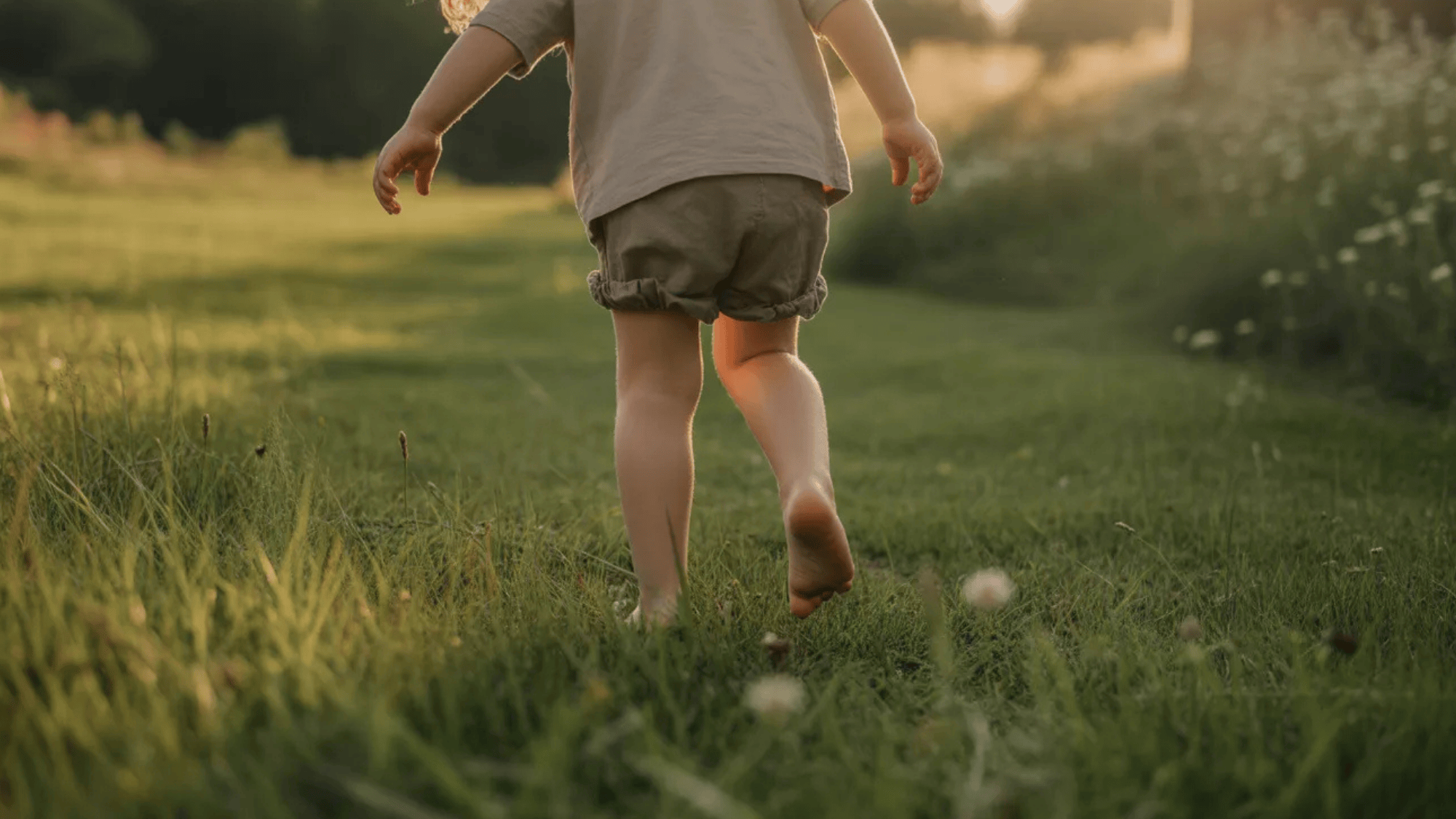
Nature can be an excellent tool for calming anxiety. These outdoor grounding exercises help kids connect with their environment.
22. Walk Barefoot on Grass
There’s something genuinely restorative about the simple act of taking shoes off and feeling the ground beneath your feet, the texture of grass, the slight unevenness of the earth, the coolness or warmth depending on the time of day.
This practice, sometimes referred to as grounding or earthing, encourages kids to slow down and pay attention to physical sensations that are easy to overlook when we’re rushing through the day.
Ask your child to walk slowly and notice everything they can feel underfoot, the softness of the grass, the firmness of the soil, any small variations in temperature or texture as they move.
23. Feel the Wind or Sun
Ask your child to stand still for a moment and focus entirely on what they can physically feel: the movement of air on their skin, the warmth of sunlight on their face and arms, and the way the temperature shifts when a cloud passes overhead.
Those natural physical sensations are immediate and undeniable, which makes them excellent anchors for a mind that’s been pulled into anxious, future-focused thinking.
Even just two or three minutes of this kind of focused outdoor stillness can noticeably shift a child’s mood and bring their nervous system back to a calmer baseline.
24. Sit in a Quiet Outdoor Spot
Finding a quiet spot outside and simply sitting in it, without a screen, without a task, without any agenda, is something kids rarely get enough of, and the calming effect of that kind of unstructured nature time is well supported by research.
Encourage your child to close their eyes and listen, picking out individual sounds one by one: the specific call of a bird, the rustle of leaves in a breeze, the distant sound of water, the hum of insects.
That active, intentional listening works the same way other grounding techniques do: it gives the mind a present-moment focal point that gently crowds out anxious thoughts.
Fun Grounding Activities
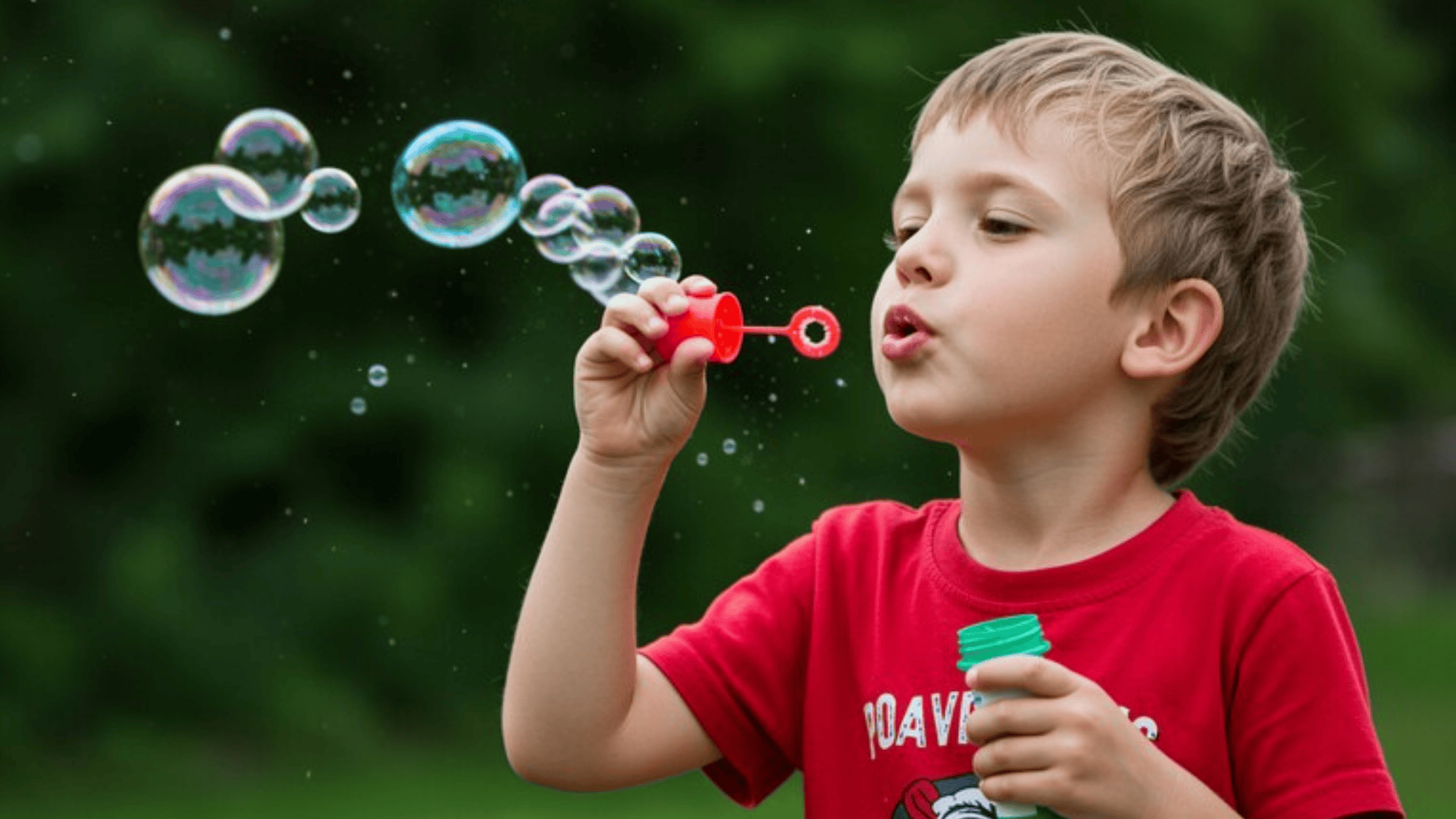
These activities turn grounding exercises into fun and interactive games that kids will enjoy.
25. Play with a Pet
Time spent with a pet, stroking a dog’s fur, listening to a cat purr, or simply sitting close to an animal they feel comfortable with, has a well-documented calming effect on the nervous system, reducing cortisol levels and naturally encouraging slower, more relaxed breathing.
Encourage your child to be fully present during that time, rather than distracted, and to really focus on the warmth of the animal, the rhythm of its breathing, the texture of its coat, and the way it responds to being touched.
26. Blow Bubbles
Blowing bubbles is one of those activities that works almost without kids realizing it, because producing a good bubble requires a slow, steady, controlled exhale, which is essentially deep breathing in disguise.
That gentle regulation of the breath is what triggers the calming response, while the visual of watching bubbles float, catch the light, and softly pop gives the mind something beautiful and fleeting to stay present with.
It’s particularly effective for younger kids who aren’t yet receptive to being told to “calm down” or “take a deep breath,” because it wraps the whole technique inside something that feels like play.
27. Pretend to Be an Animal
Animal role play gets kids out of their heads and into their bodies in a way that’s completely natural and genuinely fun, and that shift from mental to physical is exactly what anxious kids often need most.
Hopping like a frog, stretching slowly like a cat, stomping like an elephant, or slithering like a snake all require enough physical coordination and imagination to fully occupy the mind, leaving very little room for anxious thoughts to persist.
It also introduces an element of playfulness and silliness that can lighten the emotional weight of an anxious moment without dismissing the child’s feelings.
28. Make Funny Faces
Encouraging a child to make the silliest, most exaggerated face they possibly can might seem too simple to be a real coping strategy. Still, the physical act of contorting the face into wild expressions actually releases tension in the jaw, forehead, and around the eyes, areas where stress tends to accumulate without us noticing.
It also almost always produces at least a small laugh or smile, and that involuntary shift in expression sends genuine signals to the brain that the situation is safe and that it’s okay to relax.
It’s one of those techniques that works beautifully in the moment because it’s impossible to make a truly ridiculous face and stay stuck in a spiral of worry at the same time.
Visual Grounding Techniques

These techniques use visual focus to help kids stay present and shift their attention away from anxiety.
29. Visualizing a Safe Place
Ask your child to close their eyes and picture a place that feels completely peaceful and safe to them, a beach, a forest, a cozy room, or even a made-up world that exists only in their imagination.
Guide them gently through the details: what they can see, hear, smell, and feel in that place, building it out slowly until it feels vivid and real.
The more specific and sensory the visualization, the more effectively it pulls the mind away from anxious thoughts and into a calm, protected mental space.
30. Focus on a Single Object
Ask your child to pick any object in the room, a toy, a cushion, a plant, and spend a full minute really studying it like they’re seeing it for the first time.
Have them notice the shape, the colors, the texture, the shadows it casts, and any small details they wouldn’t normally pay attention to.
That level of focused observation is a simple but powerful way to interrupt anxious thinking, because the brain can’t simultaneously spiral and observe with that kind of intentional detail.
31. Watch Something Moving
There’s something naturally hypnotic about watching continuous, gentle movement, a ceiling fan turning, leaves shifting in a breeze, water flowing, and that calm, passive focus is genuinely effective at slowing an overactive, anxious mind.
Ask your child to watch without thinking about or narrating what they see, letting their gaze follow the movement softly without trying to analyze it.
The rhythmic, repetitive quality of most natural motion has a settling effect on the nervous system that’s hard to replicate with other techniques.
Grounding with Sounds
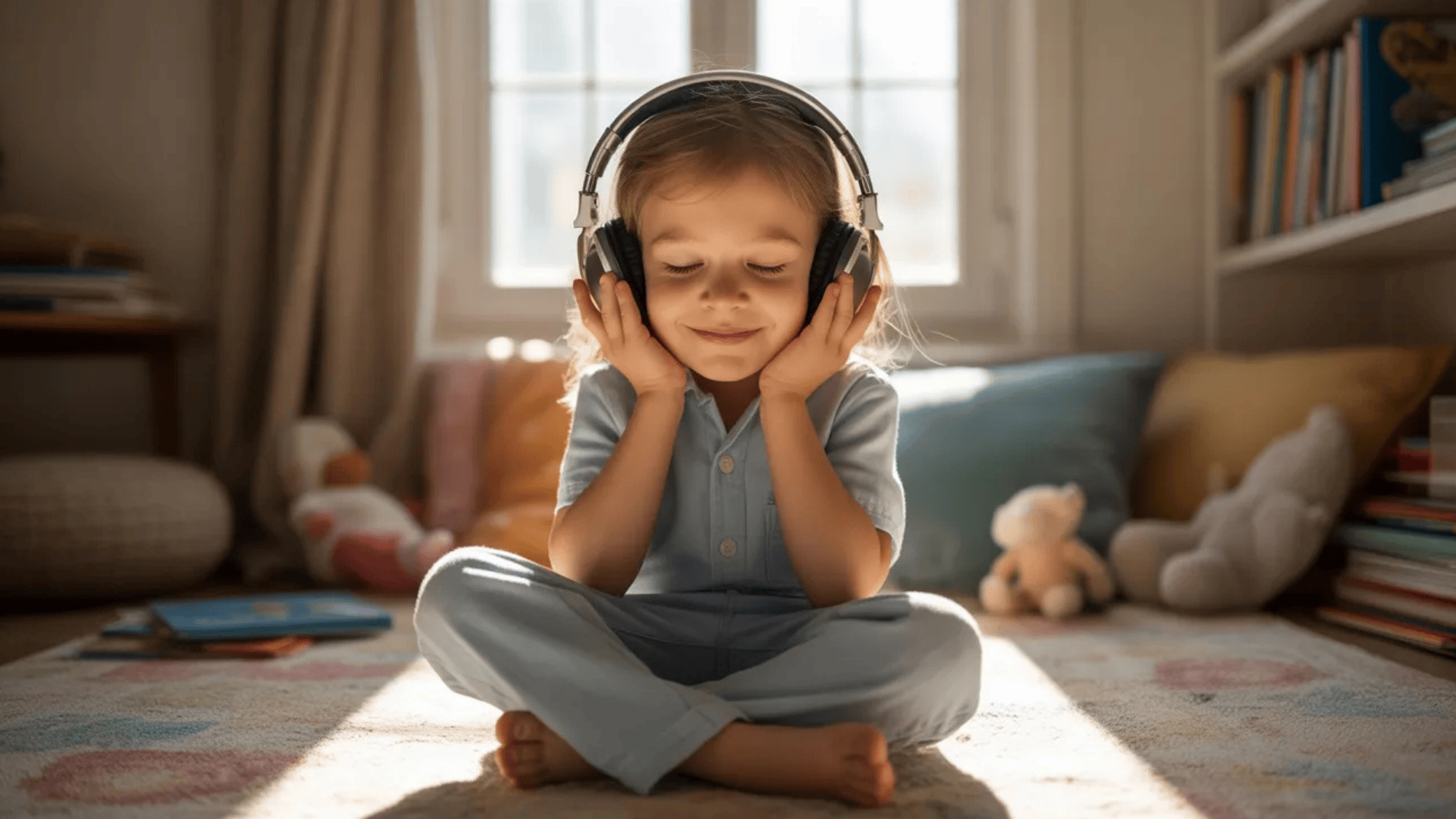
Sound can be a powerful tool in grounding. These techniques use auditory experiences to calm kids and redirect their attention.
32. Listen to Calming Music
Music has a direct and well-documented effect on the nervous system; slow tempos, soft melodies, and gentle rhythms naturally encourage the body to match that pace, slowing the heart rate and easing tension without any conscious effort required.
Create a dedicated calm-down playlist with your child so they have something ready to go the moment they need it, rather than having to search for the right song in the middle of an anxious moment.
Encourage them to really listen, to follow the melody, to notice the different instruments, or to let the sound wash over them rather than using it as background noise.
33. Focus on a Single Sound
Ask your child to sit quietly and pick out one specific sound from everything happening around them, the ticking of a clock, a bird outside the window, the hum of a refrigerator, and follow it with their full attention.
The act of isolating a single sound from the surrounding noise requires just enough mental focus to gently pull the brain out of an anxious thought loop and anchor it in the present moment. The quieter and more subtle the sound they choose, the more focused attention it requires, which makes it even more effective.
34. Listen to Nature Sounds
Nature sounds, rainfall, ocean waves, rustling leaves, and birdsong have a uniquely restorative quality that researchers believe is partly linked to our deep evolutionary familiarity with these environments as safe and non-threatening.
Play them through a speaker or headphones and encourage your child to close their eyes and imagine being in that setting, letting the sounds build a mental picture that pulls them away from whatever was triggering their anxiety.
It works particularly well at bedtime or during transitions, when kids often find it hardest to settle their minds after a stimulating or stressful part of the day.
35. Recite a Favorite Song or Poem
There’s real comfort in familiar words; a song or poem your child knows by heart carries both the soothing quality of rhythm and repetition and the emotional safety of something deeply familiar and well-loved.
Encourage them to say it slowly and out loud if possible, paying attention to the words and the way they sound rather than rushing through it on autopilot.
The combination of memory recall, rhythm, and focused attention gives the mind several gentle anchors at once, making it hard for anxious thoughts to hold their grip.
Conclusion
Incorporating grounding techniques for kids into their daily routine can have a lasting positive impact on their emotional well-being.
These exercises not only help manage anxiety in the moment but also equip children with valuable coping skills for the future.
By regularly practicing these techniques, kids become more resilient, better able to handle life’s challenges, and more aware of their emotions.
Helping your child stay grounded today prepares them for emotional stability tomorrow.