






Multi-stop country tours become much easier when every bag has a clear purpose and a place to go between hotels. Check-in gaps, crowded vehicles, and frequent transfers can turn oversized luggage into a daily burden. A practical system keeps essentials close, protects fragile purchases, and limits how often you need to unpack.
Before leaving, review the entire route one day at a time. Note where you’ll change accommodations, how you’ll travel, and when your bags may be out of reach. That simple review will reveal where luggage storage, compact packing, and extra protection can save time.
Check-In Gaps and Open Itineraries
Hotel check-in and checkout times rarely line up with transportation schedules. You might arrive by train at 9 a.m. but have no access to your room until midafternoon. On departure day, an 11 a.m. checkout can leave several hours before the next train. Contact each property in advance to ask about bag holding, including the available hours and any fees.
Third-party storage can fill gaps when a hotel can’t help or when returning to the property would mean backtracking. Choose a location near your arrival or departure point, then allow enough collection time before boarding.
Keep your day bag with you. It should contain identification, medication, chargers, reservation details, and anything that would be difficult to replace quickly. Check storage restrictions before booking since some facilities may not accept food, breakable goods, or unusually large items.
An open itinerary needs more flexibility. If you haven’t decided where you’ll stay that evening, identify storage options near major transit hubs before the trip. Save addresses and opening hours offline in case mobile service is limited. Learning how to pack for a multi-destination trip can also help you divide belongings according to when and where you’ll need them.
Storing Gear During Day Tours
Day tours usually offer limited room for personal items, especially when transportation involves a small van, boat, or shuttle. Ask the operator what you can bring before arriving at the meeting point. “Small bag” can mean anything from a compact backpack to an item that fits beneath a seat, so request approximate dimensions if the instructions are unclear.
Pack one dedicated day bag instead of removing loose items from your suitcase each morning. A lightweight backpack should hold water, sun protection, a portable charger, a weather layer, and basic personal supplies. Place documents and electronics in an internal zippered compartment. If rain is possible, use a waterproof liner or a simple resealable pouch for anything that can’t get wet.
Leave nonessential gear at your accommodations or an approved storage facility. For example, travellers spending the day around central Edinburgh can use Waverley station luggage storage to leave larger bags near a major transport hub while keeping only the essentials with them.
Keep a quick inventory on your phone and take a photo of the stored bags, including any claim tags. Never attach an address for an empty home to an external luggage label. A phone number and email address provide enough contact information if a bag is misplaced.
Frequent hotel changes also reward consistency. Put sleepwear, toiletries, and the next day’s clothes in the same packing cubes every time. When each category has a fixed place, you can prepare for a 7 a.m. departure without emptying the entire suitcase onto the floor.
Protecting Delicate Trunk Cargo
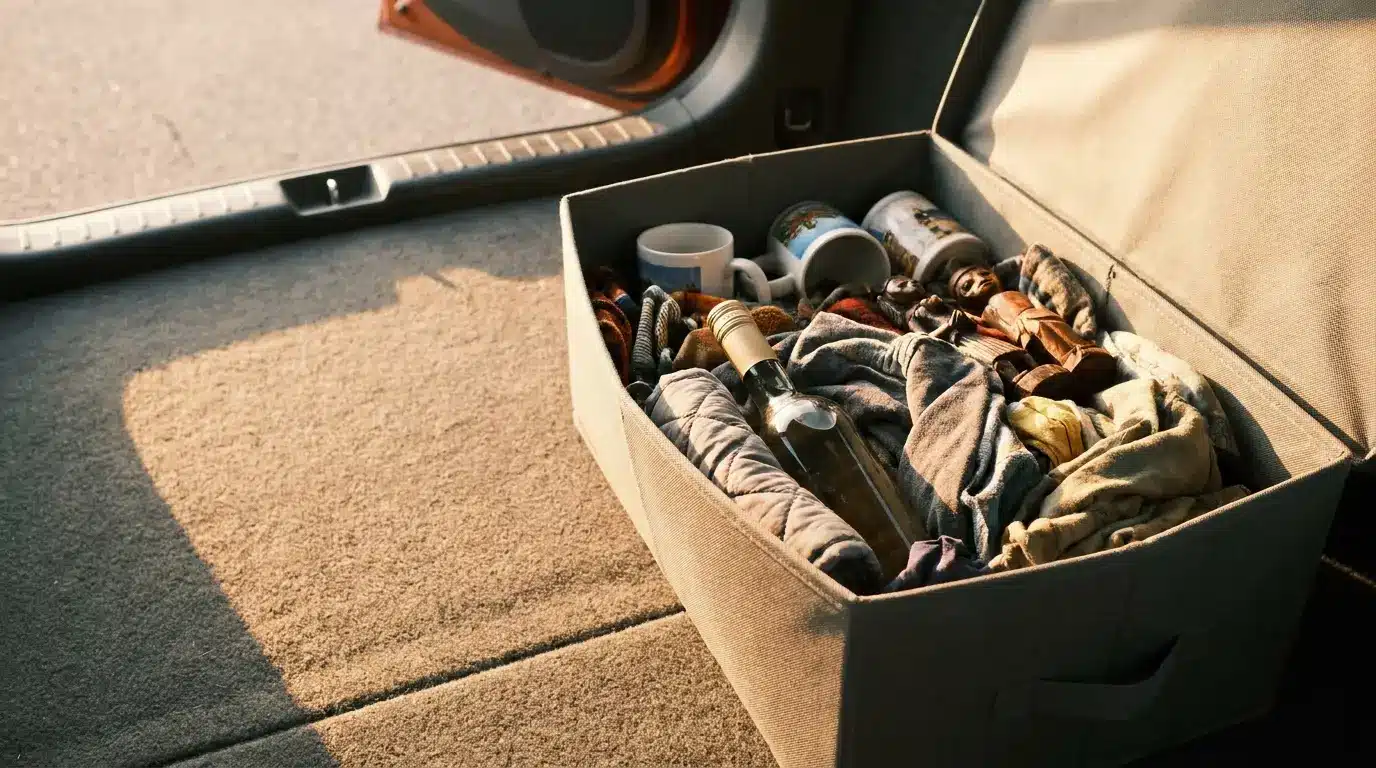
Road trips create a different luggage problem: bags may shift every time the vehicle turns, stops, or travels over rough pavement. Start by placing the heaviest suitcases low and close to the back of the rear seats. Keep lighter bags on top and avoid stacking hard cases where they could slide onto softer items.
Fragile souvenirs, ceramics, and sealed bottles need individual protection. Wrap each item in clothing or a padded sleeve, then place it inside a rigid-sided container.
Fill open space with soft material so the contents can’t move when you gently shake the package. For local food products or winery purchases, confirm that the item can legally cross every border on your route and comply with your transportation provider’s rules.
Temperature matters too. A closed vehicle can heat up quickly, which may harm food, cosmetics, electronics, and other sensitive goods. Take those items inside during long meal stops or overnight stays. Never leave identification, medication, or valuable electronics in an unattended vehicle.
Before driving away each morning, perform a 30-second check. Confirm that the rear view remains clear, the vehicle’s luggage cover closes properly, and no item can roll into the passenger area.
Keep an overnight bag near the trunk opening if you’re stopping for only one night. That arrangement lets you carry one small bag into the hotel while the rest of the luggage stays organized for the next departure.
If you expect to collect several fragile items, pack protective supplies at home. Inflatable sleeves, resealable bags, and a small roll of removable tape take up little room. They’re more reliable than hoping each shop can provide packaging suitable for several days on the road.
Preserving Your Travel Flow
A good luggage routine reduces decisions at every stop. Use a repeatable three-part setup: one main suitcase, one overnight or day bag, and one small organizer for documents and charging cables. Each item should return to the same compartment after use. This makes it easier to spot something missing before you leave a hotel.
Build packing around the route and access to laundry. For a ten-day tour with a laundry stop halfway through, five coordinated outfits may be enough.
The 54321 packing method provides a useful starting formula for a compact wardrobe, though climate and planned activities should guide the final choices. Neutral layers can cover cool mornings, warm afternoons, and casual dinners without requiring separate outfits for every occasion.
Set two departure alarms. The first signals that it’s time to finish packing and the second marks the moment everyone should be ready to leave. Before checkout, scan the bathroom, closet, outlets, and space beneath the bed. Then count bags aloud as they enter the vehicle or luggage compartment.
Long trips also benefit from a small repair and care kit. Useful long-trip travel essentials include organizers and practical accessories that help keep belongings in order. Add a stain-removal wipe, spare luggage tag, cable tie, and a foldable tote for groceries or laundry.
Try to resist expanding into every available inch as the tour continues. Set aside one packing cube for purchases and mail bulky items home when that makes financial sense. On the final night, separate anything needed during the return trip before packing the main case. Your passport, transportation details, medication, and charging cable should never disappear beneath a week’s worth of souvenirs.
The best test comes each morning: you should know which bag stays with you, which one gets stored, and where every delicate item sits. If those answers are clear before checkout, the next stop begins without a frantic search through the trunk or hotel lobby.