


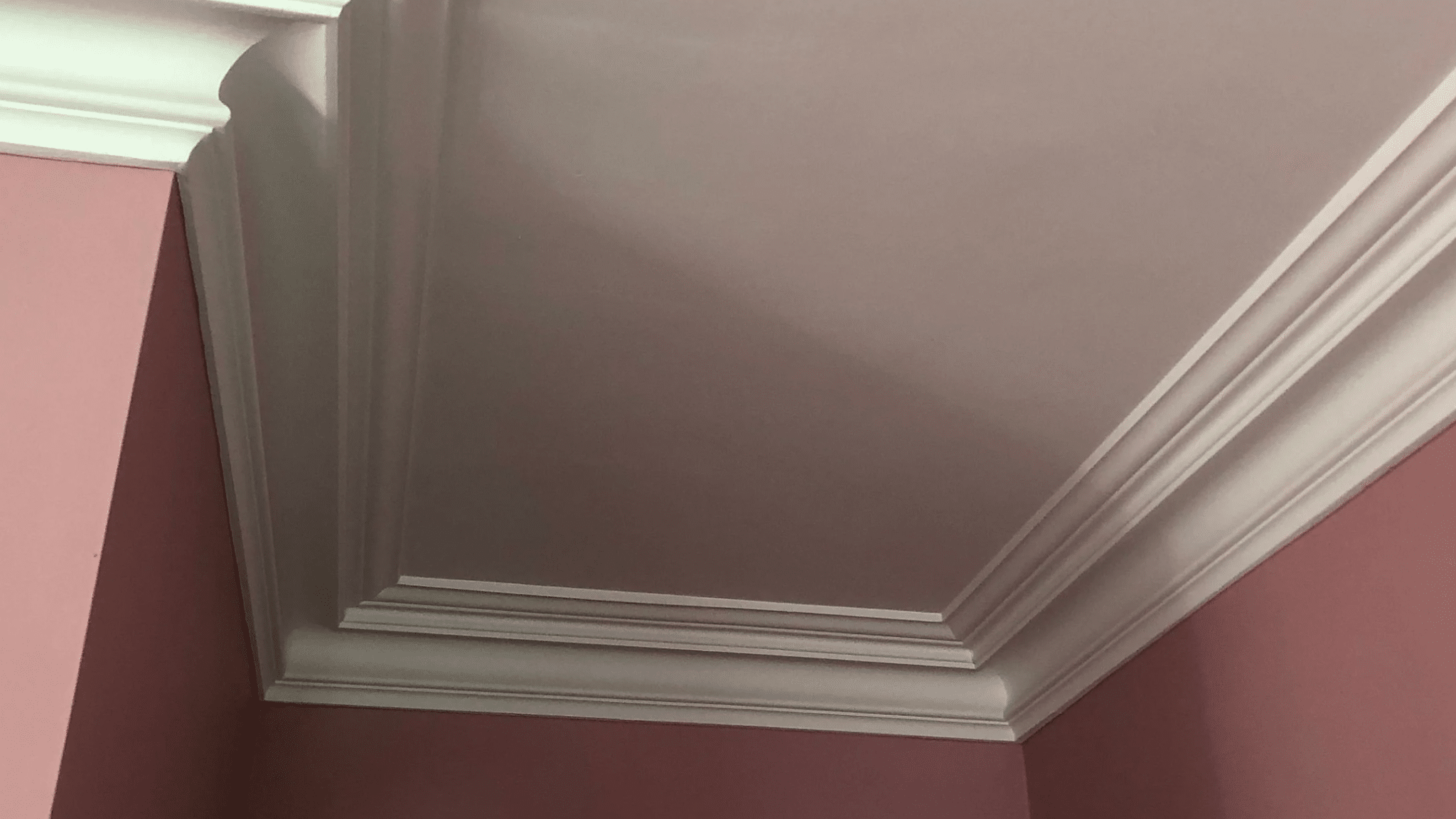
Plaster cornice is a classic architectural detail that can add character, proportion and a finished look to a room. Often used where the wall meets the ceiling, cornice creates a visual transition between the two surfaces while also contributing to the overall style of an interior.
Although plaster cornice is strongly associated with traditional and period properties, it can work in many different settings. From Victorian-inspired homes to contemporary interiors that use decorative details sparingly, the right cornice can help create a more considered appearance.
If you are thinking about adding Plaster Cornice to a renovation or new interior, understanding the different styles, benefits and practical considerations can make the selection process easier.
1. What Is Plaster Cornice?
Plaster cornice is a decorative moulding designed to be installed at the junction between a wall and ceiling. It can be relatively simple, with clean curves and understated profiles, or highly decorative with repeating patterns, intricate details and traditional motifs.
Cornice is sometimes used interchangeably with terms such as coving, although there can be differences in profile and design. In general, coving tends to describe simpler curved mouldings, while cornice can refer to more decorative or architectural profiles.
Traditional plaster cornice is usually made from plaster or a plaster-based material and is designed to provide a permanent architectural feature.
2. Why Use Plaster Cornice in an Interior?
There are several reasons homeowners and designers continue to use decorative plaster mouldings.
Creates a Finished Transition
The junction between a wall and ceiling can otherwise appear quite plain. Cornice provides a visual transition that makes the change between the two surfaces feel more deliberate.
Adds Architectural Character
Decorative mouldings can introduce architectural interest without requiring major structural changes. This can be particularly useful in homes where original features have been removed or where an interior needs additional character.
Complements Period Interiors
Plaster cornice can be especially suitable for Victorian, Edwardian, Georgian and other traditional interiors. Matching the profile and scale to the property’s existing features can help create a cohesive appearance.
Works Beyond Traditional Homes
Cornice does not have to look old-fashioned. Simpler profiles can work well in modern interiors, particularly when the rest of the room has clean lines and restrained decoration.
3. Choosing the Right Cornice Profile
The profile of the cornice can have a significant effect on how the finished room looks.
A small room with a low ceiling may benefit from a relatively simple profile that does not dominate the space. Larger rooms with high ceilings can often accommodate more substantial mouldings.
Consider the architectural character of the property as well. If the room already contains decorative doors, ceiling roses, fireplaces or wall mouldings, choosing a cornice that complements these details can make the overall design feel more consistent.
Keep Proportion in Mind
One of the most important considerations is scale. A moulding that is too large can overwhelm a small room, while an extremely narrow profile may appear insignificant in a large space.
Looking at the ceiling height, room dimensions and other architectural details together can help you choose a more suitable size.
4. Plaster Cornice and Ceiling Roses
Cornice can also be paired with other decorative plaster features, particularly ceiling roses.
A ceiling rose is positioned around a central light fitting, while cornice runs around the perimeter of the room. When the two are designed in a complementary style, they can create a balanced decorative scheme.
The same principle applies to wall mouldings, architraves and decorative panels. These details do not necessarily need to be identical, but they should work together in terms of scale, pattern and overall character.
5. Where Can Plaster Cornice Be Used?
Plaster cornice is commonly used in living rooms, dining rooms, bedrooms and hallways. It can also be suitable for studies, entrance areas and other spaces where decorative architectural details are desired.
In larger properties, different profiles may be used in different rooms. For example, a more elaborate design may suit a formal reception room, while a simpler profile may be better suited to a bedroom or hallway.
The key is to consider the purpose and proportions of each room rather than automatically using the same moulding everywhere.
6. Installation Requires Care and Precision
Installing plaster cornice is more involved than simply attaching a decorative strip to a wall. The pieces need to be measured, cut and positioned carefully, particularly around corners and architectural features.
The condition of the walls and ceiling should also be considered before installation. Uneven surfaces may require preparation to achieve a clean result.
For detailed or traditional mouldings, professional installation can be useful because accurate alignment and finishing have a major effect on the final appearance.
7. Finishing and Decorating Plaster Cornice
Once installed, plaster cornice can generally be painted to suit the room. Many interiors use white or off-white mouldings against a contrasting wall colour, but there are other possibilities.
Painting the cornice the same colour as the ceiling can create a subtle effect, while using a colour that relates to the walls can make the moulding feel more integrated.
Before painting, the surface should be properly prepared. Any joints, small imperfections or installation marks may need to be filled and smoothed to create an even finish.
Conclusion
Plaster cornice remains a practical way to introduce architectural detail and visual interest into an interior. Its versatility means it can suit traditional properties, period renovations and carefully designed contemporary spaces.
The best choice depends on the room’s proportions, ceiling height, existing architectural features and overall design style. By selecting a suitable profile and paying attention to installation and finishing, plaster cornice can become a subtle but effective part of the room’s design.