




Falls represent a significant safety risk for older adults, particularly those living independently or with limited mobility. If someone falls, they might not be able to tell anyone what is happening, how they are feeling, or get help from outside. In these circumstances, timely communication can significantly affect how an emergency is managed.
Today’s fall alert devices don’t just detect sudden movements. Many devices include emergency routing systems and two-way voice communication so users can contact professional monitoring specialists. Together, these features help ensure alerts reach someone who can respond appropriately in Canada.
Understanding how these communication protocols and routing systems work can help seniors and their families evaluate available devices. This guide covers the purpose of two-way voice technology in emergency communication, how alerts are routed, and features to look for when choosing a fall alert device in Canada.
How Two-Way Voice Communication Works in Canada
Two-way voice communication means seniors can speak directly to a monitoring representative through their fall alert device. Unlike simple alarms that just make noise or send notifications, these systems make it easier to communicate during emergencies.
Many top-rated senior fall alert devices in Canada have built-in microphones and speakers to support communication once an alert is triggered. Depending on the model, the connection is established via cellular networks or via a communication unit in the home.
If something happens and the person falls or presses the emergency button, the system calls its monitoring service or emergency contact. The representative may then inquire about the person’s condition, location, and immediate needs.
The exchange helps determine whether emergency medical assistance or some other type of assistance is required.
Voice Protocols for Reliable Communication
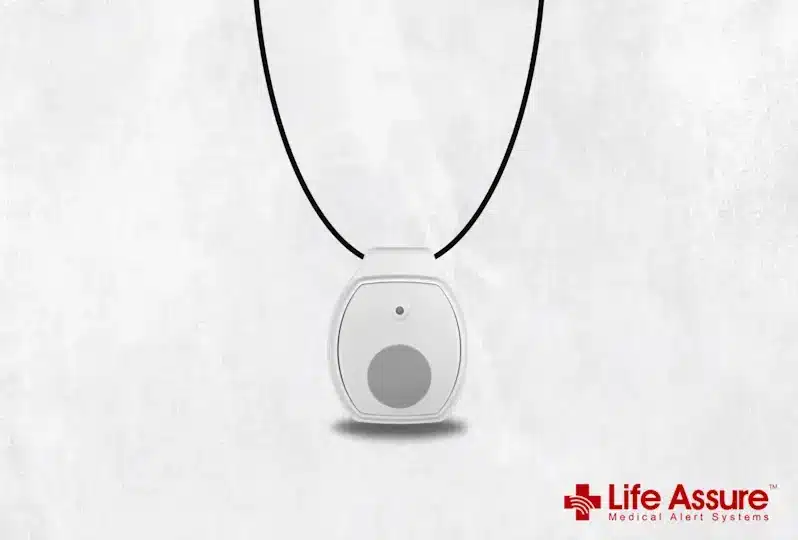
Two-way communication requires protocols to manage voice transmission between the device and the receiving service. These protocols establish a connection, transmit audio, and enable communication during an active alert.
Voice calls usually run over the mobile network technologies that cellular-enabled devices support. Some home-based systems require a base station that connects to a landline, cellular service, or the internet.
Voice quality also depends on microphone sensitivity, speaker volume, network coverage, and ambient noise. Monitor personnel can understand someone who speaks quietly or is nearby using a device with a sensitive microphone and a clear speaker.
However, the reliability of communication can vary from one place to another. Families should check that the device works on networks available now and that coverage is good in the area where the senior spends most of his time.
How Are Emergency Alerts Routed?
Emergency routing determines where an alarm transmission is sent once a fall is detected or an emergency button is pressed. Routing is based on the device, monitoring subscription, and contact preferences you’ve set.
Professionally monitored systems typically send alerts to a monitoring center. When connected, the operator assesses the situation and determines the appropriate response based on the information at hand and the service procedures.
Once the professional monitoring center receives the alert, a medical alert specialist uses the device’s two-way voice communication to speak with the senior. The specialist assesses the situation by asking about the person’s condition, location, and immediate needs.
Not all falls need an ambulance. For instance, one elderly person may collapse without injury but still needs help getting up. However, someone experiencing severe pain or difficulty breathing may require emergency medical attention. The monitoring specialist evaluates the situation and takes appropriate action, such as calling emergency services if needed.
The Role of Monitoring Centres in Emergency Response

Monitoring centers create a human link between the person seeking help and the appropriate responder. Representatives receive alerts, communicate with users, and follow established procedures for handling emergencies.
In a two-way voice conversation, the representative can ask if the person is conscious, can move, or is injured. The responses are crucial for identifying the required help.
If emergency services are required, the representative can contact the appropriate service and relay any known information about the incident. This may include their location, reported condition, and address.
The monitoring provider should be able to coordinate emergencies in your province or territory. Service arrangements and response procedures can differ by provider.
Location Information and Emergency Dispatch
When someone falls, emergency responders must know exactly where that person is to find them. This is especially important for mobile devices used away from home.
Some fall alert devices have built-in GPS, so they can send location information when an emergency alert is triggered. Others may use stored address information or cellular positioning, depending on the design.
The registered service address is often used for home-based systems. Mobile devices can update location coordinates, but accuracy may drop in environments with poor satellite reception, underground, or indoors.
Families should check how location information is passed to monitoring personnel and how much control users have over changing their registered address. Concise location info can lessen confusion when requesting assistance.
Automatic Fall Detection and Voice Activation
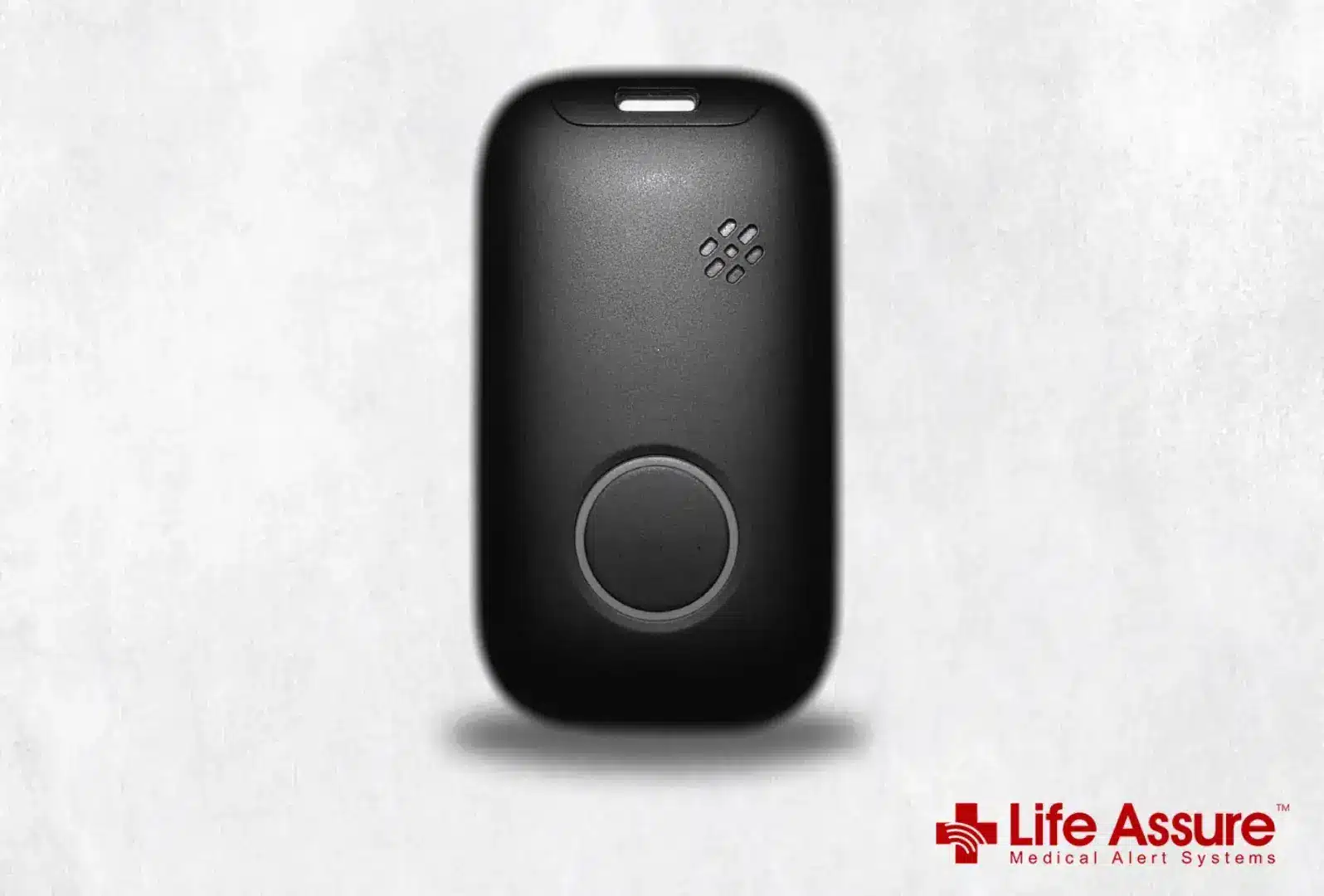
Automatic fall detection adds another layer of protection by identifying movement patterns that could indicate a fall. These systems usually use motion sensors and algorithms to detect sudden acceleration, impact, or changes in body posture.
If the device detects a fall, it will trigger an alarm without the user having to press a button. Some systems use a short cancellation window to prevent unnecessary emergency notifications.
If the alert continues, a monitoring representative may attempt to establish two-way voice contact. This lets the representative assess whether the individual needs assistance.
But automatic detection cannot catch all falls, and normal movements can sometimes trigger false alarms. Even with automatic detection, seniors should understand the importance of the emergency button.
How to Choose a Fall Alert Device With Dependable Emergency Communication
When choosing a fall alert device, assess its communication and routing capabilities in typical scenarios. Families should consider whether the senior is primarily homebound, on the go, or outdoors.
Consider cellular coverage, battery life, speaker clarity, monitoring availability, and the ability to reach emergency contacts. It is also useful to know the consequences of a failed call or an inability to respond verbally.
Before purchasing, families can ask about whether the service is available, how emergencies are escalated, the hours of monitoring, and whether the location is tracked around Canada. Device testing can also let the provider show the user how to operate the device.
Conclusion
Modern fall alert technology features include emergency routing systems and two-way voice protocols. Together, they allow seniors in Canada to express their needs and help monitoring personnel know where to go when help is needed.
In Canada, families should consider more than fall detection when selecting an appropriate device. Reliable location information, appropriate emergency routing, and reliable communication can provide a more coordinated response when assistance is needed.