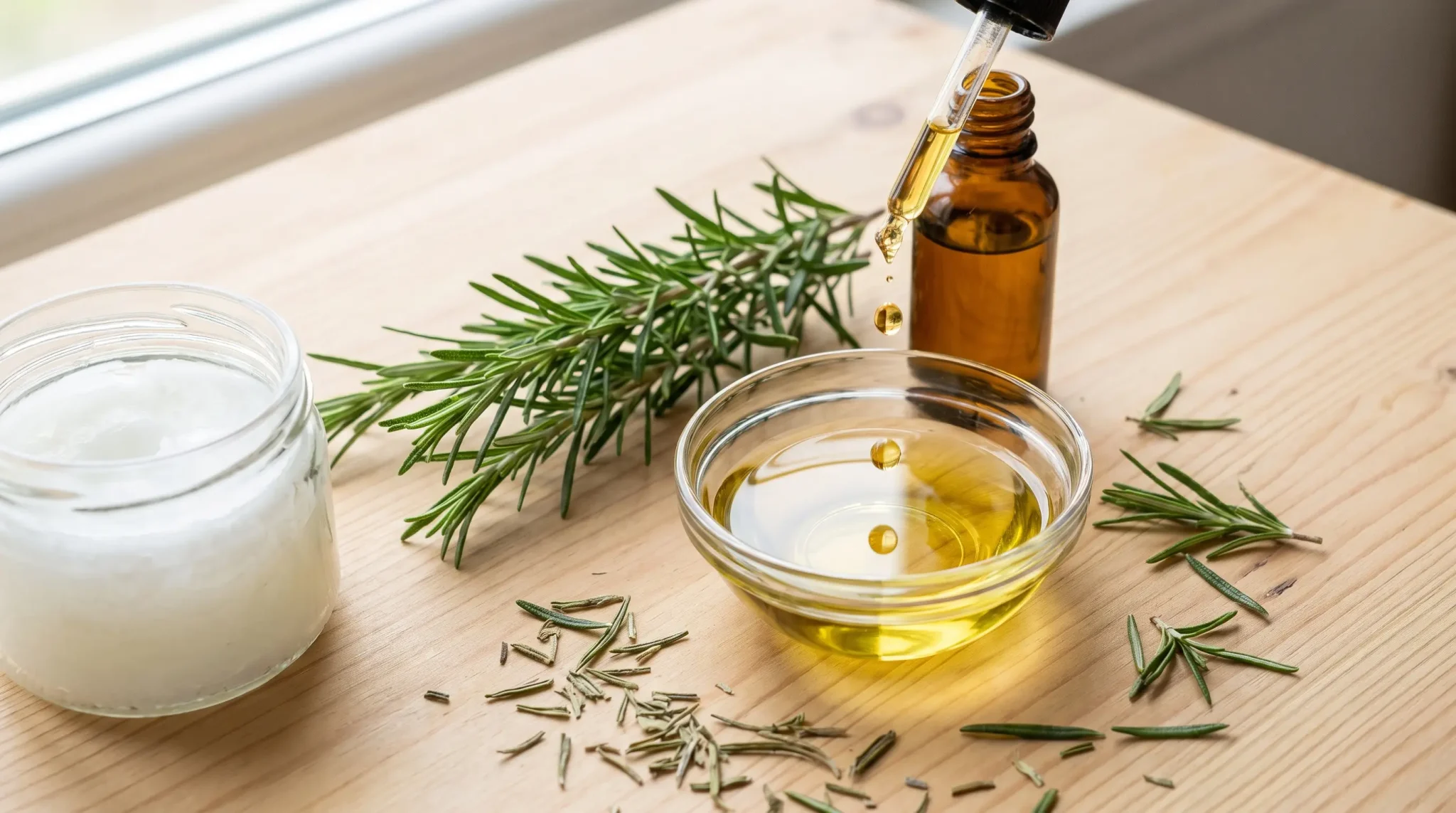






Dry skin can show up at any time of the year, but you may notice it more as autumn arrives. The weather starts getting cooler, humidity can drop, and the skin may not hold on to moisture as well as it did during humid summer days. This can leave your face and body feeling tight, rough, flaky, or itchy.
The good news is that a few simple changes can make a big difference.
What Causes Dry Skin?
Dry skin happens when the skin loses too much water. Cold and dry air is one common reason, but it is not the only one. Long hot showers, harsh soaps, frequent washing, some medicines, ageing, and certain skin conditions can also make the skin dry.
Quick Tip: Keep your shower lukewarm and try to finish within 5 to 10 minutes. This small change can help your skin retain more of its natural moisture.
Your skin also produces less natural oil as you age. According to the American Academy of Dermatology, sebum production drops significantly from around the 40s onward, which can make dryness more common with age.
Sometimes, very dry skin can also be linked to conditions such as eczema, psoriasis, diabetes, thyroid problems, or kidney disease. Nutrient deficiencies can play a role too, so persistent dryness should not always be blamed on the weather.
How to Take Care of Dry Skin
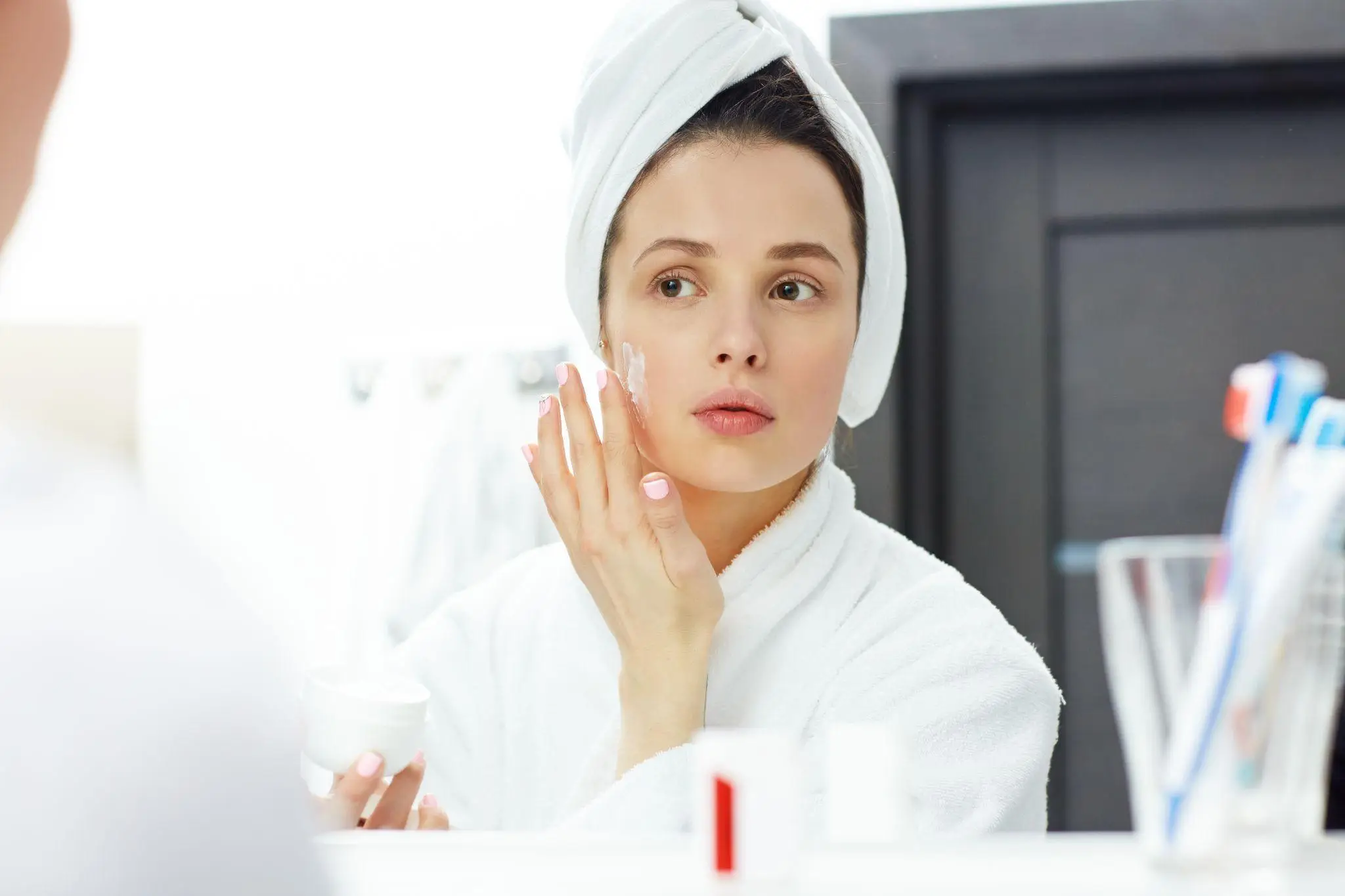
A few simple changes to your daily routine can help your skin hold on to moisture and feel less dry. From choosing the right moisturiser to adjusting your bathing habits and staying hydrated, small steps can make a noticeable difference.
Check out these easy tips to keep your skin soft, comfortable, and better protected from dryness:
1. Moisturise right after bathing
Do not wait until your skin feels completely dry. Apply a moisturiser while your skin is still slightly damp. This helps trap water in the skin.
For very dry skin, creams and ointments are generally more effective than lighter lotions. Look for ingredients such as ceramides, glycerin, hyaluronic acid, petrolatum, or shea butter.
Apply the moisturiser gently over your body, especially on areas that tend to get dry, such as the elbows, knees, hands, and feet. If your skin feels tight or dry again later in the day, you can reapply it as needed.
2. Protect your skin from the sun
Autumn does not mean you can stop using sunscreen. UV exposure happens throughout the year. As per the American Academy of Dermatology, using broad-spectrum sunscreen with SPF 30 or higher is recommended when you are outdoors, and reapply as needed.
For further skin protection, you can add antioxidants to your diet that help strengthen the skin barrier, lock in moisture, and neutralize free radicals from harmful UV rays that cause dryness and flaking. Vitamin A, vitamin C, and vitamin E tablets all help boost antioxidant support if you do not get them adequately from your diet.
Wearing sunglasses, using a hat, and covering exposed skin can also provide an extra layer of protection when spending more time outdoors. These simple habits can help reduce the impact of sun exposure while your skin adjusts to the cooler, drier weather.
3. Pay attention to nutritional gaps

Your skin can sometimes reflect what is happening inside your body, so it is worth paying attention to your overall diet and nutritional intake.
Certain nutritional deficiencies can also affect your skin. Vitamin B12 deficiency, for instance, may cause pale or yellowish skin and is more common in certain groups. Depending on your individual needs, your healthcare professional may suggest dietary changes or options such as vitamin B12 tablets. It is better to check for a deficiency before taking supplements, rather than taking them without a clear need.
Note: Healthy skin needs adequate nutrition. Most of the time, a balanced diet with vegetables, fruits, whole grains, nuts, seeds, protein sources, and healthy fats can help you meet your nutrient needs. If your diet is lacking certain nutrients, supplements may sometimes be recommended after professional advice, before starting on your own.
To Sum Up
Dry skin is a common concern that can make your skin feel tight, rough, or uncomfortable. With the onset of autumn, the cooler and drier air can make this problem more noticeable. To keep your skin hydrated, skip very hot showers, use a gentle cleanser, moisturise damp skin, keep sunscreen in your routine, and eat a balanced diet. Small changes to your daily routine can help your skin stay soft, comfortable, and better protected as the weather gets cooler.